





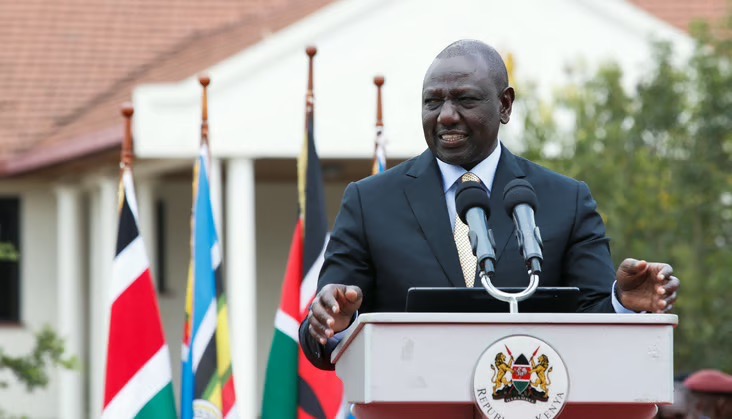
In a major diplomatic move celebrated across the African continent and the Caribbean, Kenya has announced a groundbreaking visa-free policy for citizens of most African countries and select Caribbean nations. The policy, aimed at enhancing tourism, trade, and cultural exchange, is being hailed as a bold step toward Pan-African unity and South-South cooperation, aligning closely with
the African Union’s vision of seamless borders and continental integration.
While the new policy marks a milestone for regional mobility and international diplomacy, the exclusion of Haiti has cast a shadow over the announcement — raising concerns among the Haitian diaspora and international observers who had hope
d
this would strengthen ties between the two nations.
Under the new guidelines, citizens of East African Community (EAC) member states are allowed to stay in Kenya for up to six months, while travelers from countries like Barbados, Jamaica, and Trinidad and Tobago can enjoy 60-day visa-free visits, eliminating the costs and bureaucracy of traditional visa systems. The decision is also seen as a powerful boost to the African Continental Free Trade Area (AfCFTA), which is projected to increase intra-African trade by more than 100% by 2035.
However, Haiti’s absence from the list of visa-exempt countries has disappointed many Haitians and supporters of African-Caribbean solidarity. For a country currently receiving direct support from Kenya through the UN-backed Multinational Security Support Mission, which began in 2024, the visa requirement appears contradictory — especially as Kenya positions itself as a key player in Haiti’s stabilization efforts.
Kenyan officials cited “security concerns” as the reason for excluding Haiti, Somalia, and Libya from the visa-free list. Yet, many argue that Haiti’s primary challenges lie in non-state gang violence, not in threats posed by the Haitian state or its citizens. Critics suggest that excluding Haitians while supporting the country militarily sends mixed diplomatic signals and
may unintentionally undermine efforts toward deeper Caribbean-African cooperation.
For many Haitians, this decision feels like a missed opportunity — not only to foster mutual respect and partnership but also to honor the shared history of resilience between African and Caribbean peoples. As one of the first Black republics and a symbol of anti-colonial resistance, Haiti has long viewed Pan-African unity as part of its global identity. The exclusion, some say, cuts against that
legacy.
As
Kenya implements its ambitious visa-free program, questions remain about how inclusive this vision of unity truly is — and whether diplomatic efforts will evolve to ensure Haiti and its people are no longer left at the margins of regional progress.