




A deadly plane crash at Miami International Airport left five people dead and five others injured Sunday afternoon after an Amazon Prime Air cargo plane...
Best online pharmacy with fast delivery order singulair online
order super cialis online


Instagram

![George Morgan is set to become North Miami's next mayor after a Miami-Dade judge rejected a request for a special election by current Mayor Alix Desulme, who had been on the ballot seeking reelection until Monday.
Desulme, a Haitian-American former city clerk and councilman, was appointed mayor in 2022 and won a full term in December 2024.
Circuit Judge Beatrice Butchko Sanchez disqualified Desulme from the Nov. 3 election after ruling that he improperly paid his candidate qualifying fees with cashier's checks. Morgan, who filed an emergency complaint on Oct. 8, argued that Desulme violated Florida election law by paying with two cashier's checks rather than checks drawn directly from his campaign account. Desulme has said the payment was made with a bank-certified check drawn from his campaign account.
Desulme's legal team responded by alleging that Morgan's own election assessment fee was underpaid by 80 cents. Desulme asked the court to reopen qualifying and hold a special election in December. On Thursday, the judge rejected that request, saying that a candidate who has already been disqualified cannot challenge another candidate's qualifications. The court has not ruled on whether Morgan's payment was short.
Because Desulme's name was already printed on the ballots, polling places must notify voters that the race is uncontested. Unless Desulme secures an appellate stay or overturns the ruling, Morgan effectively wins the office.
Desulme's attorney, Ben Kuehne, said his client plans to appeal. Kuehne called it "dramatically improper" that North Miami would have no election for mayor.
Morgan, a registered Republican who is running for office for the first time, struck a subdued tone after the ruling and told CBS News Miami that he was not celebrating the outcome.
The Nov. 3 election is still ahead, and the appeal is pending.
#lunionsuite #haitianamerican #haitian]()
![George Morgan is set to become North Miami's next mayor after a Miami-Dade judge rejected a request for a special election by current Mayor Alix Desulme, who had been on the ballot seeking reelection until Monday.
Desulme, a Haitian-American former city clerk and councilman, was appointed mayor in 2022 and won a full term in December 2024.
Circuit Judge Beatrice Butchko Sanchez disqualified Desulme from the Nov. 3 election after ruling that he improperly paid his candidate qualifying fees with cashier's checks. Morgan, who filed an emergency complaint on Oct. 8, argued that Desulme violated Florida election law by paying with two cashier's checks rather than checks drawn directly from his campaign account. Desulme has said the payment was made with a bank-certified check drawn from his campaign account.
Desulme's legal team responded by alleging that Morgan's own election assessment fee was underpaid by 80 cents. Desulme asked the court to reopen qualifying and hold a special election in December. On Thursday, the judge rejected that request, saying that a candidate who has already been disqualified cannot challenge another candidate's qualifications. The court has not ruled on whether Morgan's payment was short.
Because Desulme's name was already printed on the ballots, polling places must notify voters that the race is uncontested. Unless Desulme secures an appellate stay or overturns the ruling, Morgan effectively wins the office.
Desulme's attorney, Ben Kuehne, said his client plans to appeal. Kuehne called it "dramatically improper" that North Miami would have no election for mayor.
Morgan, a registered Republican who is running for office for the first time, struck a subdued tone after the ruling and told CBS News Miami that he was not celebrating the outcome.
The Nov. 3 election is still ahead, and the appeal is pending.
#lunionsuite #haitianamerican #haitian]()
![George Morgan is set to become North Miami's next mayor after a Miami-Dade judge rejected a request for a special election by current Mayor Alix Desulme, who had been on the ballot seeking reelection until Monday.
Desulme, a Haitian-American former city clerk and councilman, was appointed mayor in 2022 and won a full term in December 2024.
Circuit Judge Beatrice Butchko Sanchez disqualified Desulme from the Nov. 3 election after ruling that he improperly paid his candidate qualifying fees with cashier's checks. Morgan, who filed an emergency complaint on Oct. 8, argued that Desulme violated Florida election law by paying with two cashier's checks rather than checks drawn directly from his campaign account. Desulme has said the payment was made with a bank-certified check drawn from his campaign account.
Desulme's legal team responded by alleging that Morgan's own election assessment fee was underpaid by 80 cents. Desulme asked the court to reopen qualifying and hold a special election in December. On Thursday, the judge rejected that request, saying that a candidate who has already been disqualified cannot challenge another candidate's qualifications. The court has not ruled on whether Morgan's payment was short.
Because Desulme's name was already printed on the ballots, polling places must notify voters that the race is uncontested. Unless Desulme secures an appellate stay or overturns the ruling, Morgan effectively wins the office.
Desulme's attorney, Ben Kuehne, said his client plans to appeal. Kuehne called it "dramatically improper" that North Miami would have no election for mayor.
Morgan, a registered Republican who is running for office for the first time, struck a subdued tone after the ruling and told CBS News Miami that he was not celebrating the outcome.
The Nov. 3 election is still ahead, and the appeal is pending.
#lunionsuite #haitianamerican #haitian]()
![Former President Barack Obama returned to the campaign trail Saturday with rallies in Ohio and Michigan, delivering what one outlet called his most searing attack on President Donald Trump in years, 10 days before the November 3 midterm elections.
Obama rallied thousands of supporters at Cleveland Public Auditorium for Democratic gubernatorial candidate Amy Acton and Senate candidate Sherrod Brown. It was his first rally of the 2026 midterm cycle.
Obama blasted the administration's handling of the war with Iran. He called Trump and Defense Secretary Pete Hegseth "not serious people" and said Americans were paying the price for their decisions. He said the war had driven up the cost of oil, diesel and almost everything else, and credited his 2015 nuclear deal with keeping Iran from building a weapon without firing a missile. Trump withdrew the U.S. from that agreement in 2018.
Obama also pointed to economic promises from Trump's 2024 campaign that he said went unfulfilled, and to federal spending on White House renovations. He turned his fire on Ohio's Republican gubernatorial nominee, Vivek Ramaswamy, over a campaign ad featuring Acton's estranged mother. Obama said no office is worth stooping that low. He also joked that Ramaswamy and Republican Sen. Jon Husted have been avoiding the president, asking, "Donald who?"
That evening in Detroit, Obama campaigned for Democratic Senate nominee Abdul El-Sayed and gubernatorial nominee Jocelyn Benson. He framed the November 3 vote as a "circuit breaker" to rein in some of the foolishness of Trump's presidency. He criticized the administration's corruption, cruelty and chaos, and appeared to link the attacks on El-Sayed, whose Muslim faith has been a focus for Republican opponent Mike Rogers, to the "birther" conspiracy theories Trump once pushed against him.
Trump responded within hours. In a Truth Social post at 12:42 a.m. Sunday, he called Obama a "grossly incompetent President." He wrote that Obama paid Iran billions of dollars and gave it a path to a nuclear weapon, and that Hillary Clinton and Kamala Harris both lost despite Obama campaigning hard for them.
🎥 @NyTimes @BBCNews
#lunionsuite #haitianamerican]()
![The Gang Suppression Force (GSF) said Sunday it received, through a third-party humanitarian organization, remains suspected of being those of the four missing Salvadoran personnel. The identity of the remains has not been verified.
The announcement follows a conflicting set of reports on Saturday. The New York Times reported that four bodies had been found and were believed to be the Salvadoran soldiers. Hours later, President Nayib Bukele wrote on X that the bodies handed over to Salvadoran forces were not those of the four men. He said they included a child, a man much taller than the Salvadorans and a soldier from another country, and he shared photos of a Chadian soldier's identification.
An anonymous Salvadoran official told the AP the bodies were not those of the missing technicians. A second official with knowledge of the investigation said four bodies were recovered but there was no confirmation they were the Salvadorans. As of Saturday, the identities had not been independently confirmed, and the four technicians remained missing.
The GSF said the Chadian soldier remains with his unit and is not among the missing. The force said his card was lost during the search operations for the missing Salvadorans.
The four Salvadorans, aviation technicians, went missing on Sunday, October 18, after armed gangs ambushed their armored vehicle on the outskirts of the capital. The vehicle was hit by explosives and caught fire. The troops escaped it, but contact was then lost. The GSF said the attack took place in the Santo area.
On October 21, Bukele said Haitian gangs were holding the four men hostage and that he had launched a military operation to bring them back. Additional Salvadoran troops were later deployed to support search and security operations. The ambush was the first major attack on the GSF since it began operations in Haiti this year.
GSF Special Representative Jack Christofides expressed solidarity with the families of the four missing personnel, their comrades and the government and people of El Salvador.
#lunionsuite #haitianamerican #haitian #haiti]()
![The Gang Suppression Force (GSF) said Sunday it received, through a third-party humanitarian organization, remains suspected of being those of the four missing Salvadoran personnel. The identity of the remains has not been verified.
The announcement follows a conflicting set of reports on Saturday. The New York Times reported that four bodies had been found and were believed to be the Salvadoran soldiers. Hours later, President Nayib Bukele wrote on X that the bodies handed over to Salvadoran forces were not those of the four men. He said they included a child, a man much taller than the Salvadorans and a soldier from another country, and he shared photos of a Chadian soldier's identification.
An anonymous Salvadoran official told the AP the bodies were not those of the missing technicians. A second official with knowledge of the investigation said four bodies were recovered but there was no confirmation they were the Salvadorans. As of Saturday, the identities had not been independently confirmed, and the four technicians remained missing.
The GSF said the Chadian soldier remains with his unit and is not among the missing. The force said his card was lost during the search operations for the missing Salvadorans.
The four Salvadorans, aviation technicians, went missing on Sunday, October 18, after armed gangs ambushed their armored vehicle on the outskirts of the capital. The vehicle was hit by explosives and caught fire. The troops escaped it, but contact was then lost. The GSF said the attack took place in the Santo area.
On October 21, Bukele said Haitian gangs were holding the four men hostage and that he had launched a military operation to bring them back. Additional Salvadoran troops were later deployed to support search and security operations. The ambush was the first major attack on the GSF since it began operations in Haiti this year.
GSF Special Representative Jack Christofides expressed solidarity with the families of the four missing personnel, their comrades and the government and people of El Salvador.
#lunionsuite #haitianamerican #haitian #haiti]()
![The Gang Suppression Force (GSF) said Sunday it received, through a third-party humanitarian organization, remains suspected of being those of the four missing Salvadoran personnel. The identity of the remains has not been verified.
The announcement follows a conflicting set of reports on Saturday. The New York Times reported that four bodies had been found and were believed to be the Salvadoran soldiers. Hours later, President Nayib Bukele wrote on X that the bodies handed over to Salvadoran forces were not those of the four men. He said they included a child, a man much taller than the Salvadorans and a soldier from another country, and he shared photos of a Chadian soldier's identification.
An anonymous Salvadoran official told the AP the bodies were not those of the missing technicians. A second official with knowledge of the investigation said four bodies were recovered but there was no confirmation they were the Salvadorans. As of Saturday, the identities had not been independently confirmed, and the four technicians remained missing.
The GSF said the Chadian soldier remains with his unit and is not among the missing. The force said his card was lost during the search operations for the missing Salvadorans.
The four Salvadorans, aviation technicians, went missing on Sunday, October 18, after armed gangs ambushed their armored vehicle on the outskirts of the capital. The vehicle was hit by explosives and caught fire. The troops escaped it, but contact was then lost. The GSF said the attack took place in the Santo area.
On October 21, Bukele said Haitian gangs were holding the four men hostage and that he had launched a military operation to bring them back. Additional Salvadoran troops were later deployed to support search and security operations. The ambush was the first major attack on the GSF since it began operations in Haiti this year.
GSF Special Representative Jack Christofides expressed solidarity with the families of the four missing personnel, their comrades and the government and people of El Salvador.
#lunionsuite #haitianamerican #haitian #haiti]()
![The Gang Suppression Force (GSF) said Sunday it received, through a third-party humanitarian organization, remains suspected of being those of the four missing Salvadoran personnel. The identity of the remains has not been verified.
The announcement follows a conflicting set of reports on Saturday. The New York Times reported that four bodies had been found and were believed to be the Salvadoran soldiers. Hours later, President Nayib Bukele wrote on X that the bodies handed over to Salvadoran forces were not those of the four men. He said they included a child, a man much taller than the Salvadorans and a soldier from another country, and he shared photos of a Chadian soldier's identification.
An anonymous Salvadoran official told the AP the bodies were not those of the missing technicians. A second official with knowledge of the investigation said four bodies were recovered but there was no confirmation they were the Salvadorans. As of Saturday, the identities had not been independently confirmed, and the four technicians remained missing.
The GSF said the Chadian soldier remains with his unit and is not among the missing. The force said his card was lost during the search operations for the missing Salvadorans.
The four Salvadorans, aviation technicians, went missing on Sunday, October 18, after armed gangs ambushed their armored vehicle on the outskirts of the capital. The vehicle was hit by explosives and caught fire. The troops escaped it, but contact was then lost. The GSF said the attack took place in the Santo area.
On October 21, Bukele said Haitian gangs were holding the four men hostage and that he had launched a military operation to bring them back. Additional Salvadoran troops were later deployed to support search and security operations. The ambush was the first major attack on the GSF since it began operations in Haiti this year.
GSF Special Representative Jack Christofides expressed solidarity with the families of the four missing personnel, their comrades and the government and people of El Salvador.
#lunionsuite #haitianamerican #haitian #haiti]()
![The Gang Suppression Force (GSF) said Sunday it received, through a third-party humanitarian organization, remains suspected of being those of the four missing Salvadoran personnel. The identity of the remains has not been verified.
The announcement follows a conflicting set of reports on Saturday. The New York Times reported that four bodies had been found and were believed to be the Salvadoran soldiers. Hours later, President Nayib Bukele wrote on X that the bodies handed over to Salvadoran forces were not those of the four men. He said they included a child, a man much taller than the Salvadorans and a soldier from another country, and he shared photos of a Chadian soldier's identification.
An anonymous Salvadoran official told the AP the bodies were not those of the missing technicians. A second official with knowledge of the investigation said four bodies were recovered but there was no confirmation they were the Salvadorans. As of Saturday, the identities had not been independently confirmed, and the four technicians remained missing.
The GSF said the Chadian soldier remains with his unit and is not among the missing. The force said his card was lost during the search operations for the missing Salvadorans.
The four Salvadorans, aviation technicians, went missing on Sunday, October 18, after armed gangs ambushed their armored vehicle on the outskirts of the capital. The vehicle was hit by explosives and caught fire. The troops escaped it, but contact was then lost. The GSF said the attack took place in the Santo area.
On October 21, Bukele said Haitian gangs were holding the four men hostage and that he had launched a military operation to bring them back. Additional Salvadoran troops were later deployed to support search and security operations. The ambush was the first major attack on the GSF since it began operations in Haiti this year.
GSF Special Representative Jack Christofides expressed solidarity with the families of the four missing personnel, their comrades and the government and people of El Salvador.
#lunionsuite #haitianamerican #haitian #haiti]()
![The Gang Suppression Force (GSF) said Sunday it received, through a third-party humanitarian organization, remains suspected of being those of the four missing Salvadoran personnel. The identity of the remains has not been verified.
The announcement follows a conflicting set of reports on Saturday. The New York Times reported that four bodies had been found and were believed to be the Salvadoran soldiers. Hours later, President Nayib Bukele wrote on X that the bodies handed over to Salvadoran forces were not those of the four men. He said they included a child, a man much taller than the Salvadorans and a soldier from another country, and he shared photos of a Chadian soldier's identification.
An anonymous Salvadoran official told the AP the bodies were not those of the missing technicians. A second official with knowledge of the investigation said four bodies were recovered but there was no confirmation they were the Salvadorans. As of Saturday, the identities had not been independently confirmed, and the four technicians remained missing.
The GSF said the Chadian soldier remains with his unit and is not among the missing. The force said his card was lost during the search operations for the missing Salvadorans.
The four Salvadorans, aviation technicians, went missing on Sunday, October 18, after armed gangs ambushed their armored vehicle on the outskirts of the capital. The vehicle was hit by explosives and caught fire. The troops escaped it, but contact was then lost. The GSF said the attack took place in the Santo area.
On October 21, Bukele said Haitian gangs were holding the four men hostage and that he had launched a military operation to bring them back. Additional Salvadoran troops were later deployed to support search and security operations. The ambush was the first major attack on the GSF since it began operations in Haiti this year.
GSF Special Representative Jack Christofides expressed solidarity with the families of the four missing personnel, their comrades and the government and people of El Salvador.
#lunionsuite #haitianamerican #haitian #haiti]()
![Twelve people, six of them juveniles, were injured Saturday night in a shooting near Florida A&M University’s Bragg Memorial Stadium during the school’s homecoming weekend. Eleven of the victims were shot, and one was hurt while fleeing, according to Tallahassee police.
Police Chief Lawrence Revell confirmed the numbers at a press conference shortly after midnight. Six of the injured are adults and six are juveniles, the youngest 11. Authorities said three victims had serious injuries and one was in critical condition. Revell said one victim is believed to be a FAMU student and another a grandmother.
The shooting happened just before 8 p.m. near Perry and Manatee streets, about two hours after FAMU’s homecoming game against Arkansas-Pine Bluff ended. Investigators believe a physical altercation involving multiple people came before the gunfire. They have not said whether it was connected to the game. The Associated Press reported that no arrests had been made as of late Saturday.
As officers responded, FAMU sent an emergency alert telling anyone near Bragg Stadium and Perry Street to avoid the area or shelter in place. The university later expressed support for the victims and everyone affected and asked anyone with information to contact the Tallahassee Police Department.
Homecoming is one of the biggest weekends of the year at the HBCU, drawing students, alumni and families from across the country to Tallahassee. Mayor John Dailey posted a message to the FAMU community after the shooting.
This is a developing story and will be updated as more information becomes available.
#lunionsuite #haitianamerican]()
![Twelve people, six of them juveniles, were injured Saturday night in a shooting near Florida A&M University’s Bragg Memorial Stadium during the school’s homecoming weekend. Eleven of the victims were shot, and one was hurt while fleeing, according to Tallahassee police.
Police Chief Lawrence Revell confirmed the numbers at a press conference shortly after midnight. Six of the injured are adults and six are juveniles, the youngest 11. Authorities said three victims had serious injuries and one was in critical condition. Revell said one victim is believed to be a FAMU student and another a grandmother.
The shooting happened just before 8 p.m. near Perry and Manatee streets, about two hours after FAMU’s homecoming game against Arkansas-Pine Bluff ended. Investigators believe a physical altercation involving multiple people came before the gunfire. They have not said whether it was connected to the game. The Associated Press reported that no arrests had been made as of late Saturday.
As officers responded, FAMU sent an emergency alert telling anyone near Bragg Stadium and Perry Street to avoid the area or shelter in place. The university later expressed support for the victims and everyone affected and asked anyone with information to contact the Tallahassee Police Department.
Homecoming is one of the biggest weekends of the year at the HBCU, drawing students, alumni and families from across the country to Tallahassee. Mayor John Dailey posted a message to the FAMU community after the shooting.
This is a developing story and will be updated as more information becomes available.
#lunionsuite #haitianamerican]()
![Twelve people, six of them juveniles, were injured Saturday night in a shooting near Florida A&M University’s Bragg Memorial Stadium during the school’s homecoming weekend. Eleven of the victims were shot, and one was hurt while fleeing, according to Tallahassee police.
Police Chief Lawrence Revell confirmed the numbers at a press conference shortly after midnight. Six of the injured are adults and six are juveniles, the youngest 11. Authorities said three victims had serious injuries and one was in critical condition. Revell said one victim is believed to be a FAMU student and another a grandmother.
The shooting happened just before 8 p.m. near Perry and Manatee streets, about two hours after FAMU’s homecoming game against Arkansas-Pine Bluff ended. Investigators believe a physical altercation involving multiple people came before the gunfire. They have not said whether it was connected to the game. The Associated Press reported that no arrests had been made as of late Saturday.
As officers responded, FAMU sent an emergency alert telling anyone near Bragg Stadium and Perry Street to avoid the area or shelter in place. The university later expressed support for the victims and everyone affected and asked anyone with information to contact the Tallahassee Police Department.
Homecoming is one of the biggest weekends of the year at the HBCU, drawing students, alumni and families from across the country to Tallahassee. Mayor John Dailey posted a message to the FAMU community after the shooting.
This is a developing story and will be updated as more information becomes available.
#lunionsuite #haitianamerican]()
![Former Haitian President Michel Joseph Martelly on Friday submitted the documents supporting his candidacy for the presidency under the DEBLOKE political banner. The former head of state (2011–2016), widely known by his stage name Sweet Micky, was accompanied by a team of lawyers and a large crowd of supporters who gathered to show their backing as he completed the formalities at the Bureau Électoral Départemental (BED) de l’Ouest 1.
The filing follows Martelly’s earlier online registration with the Conseil Électoral Provisoire (CEP). Depositing the physical documents is a required step in the process; final validation rests with electoral authorities and is not automatic. Haiti’s general elections are scheduled for December 13, 2026, the first in more than a decade.
Martelly’s return to the political arena comes against a backdrop of international sanctions. The United States (via OFAC in 2024), Canada, and the European Union have imposed measures citing alleged links to drug trafficking, money laundering, gangs, violence, and human-rights issues. Haiti’s Unité de Lutte Contre la Corruption (ULCC) has also recommended legal action related to asset declarations. Recent changes to electoral rules removed a central-bank certificate requirement that had been viewed as a barrier for individuals under sanctions.
DEBLOKE, the platform under which he is running, brings together multiple parties and includes former PHTK figures. Other presidential hopefuls who have registered include former provisional president Jocelerme Privert, former prime minister Claude Joseph, and others. As of mid-October, roughly 16 presidential candidates had completed preliminary registration.
Martelly, who has spent time outside Haiti is seeking a second term more than a decade after leaving office. His filing has generated significant discussion on social media, reflecting the strong reactions his political return continues to provoke among Haitians at home and in the diaspora.
Electoral authorities will now review the submitted materials before determining the official list of validated candidates.
Sources: @clarens_siffroy | @passioninfoplus
#lunionsuite #haitianamerican #haitian]()
![Former Haitian President Michel Joseph Martelly on Friday submitted the documents supporting his candidacy for the presidency under the DEBLOKE political banner. The former head of state (2011–2016), widely known by his stage name Sweet Micky, was accompanied by a team of lawyers and a large crowd of supporters who gathered to show their backing as he completed the formalities at the Bureau Électoral Départemental (BED) de l’Ouest 1.
The filing follows Martelly’s earlier online registration with the Conseil Électoral Provisoire (CEP). Depositing the physical documents is a required step in the process; final validation rests with electoral authorities and is not automatic. Haiti’s general elections are scheduled for December 13, 2026, the first in more than a decade.
Martelly’s return to the political arena comes against a backdrop of international sanctions. The United States (via OFAC in 2024), Canada, and the European Union have imposed measures citing alleged links to drug trafficking, money laundering, gangs, violence, and human-rights issues. Haiti’s Unité de Lutte Contre la Corruption (ULCC) has also recommended legal action related to asset declarations. Recent changes to electoral rules removed a central-bank certificate requirement that had been viewed as a barrier for individuals under sanctions.
DEBLOKE, the platform under which he is running, brings together multiple parties and includes former PHTK figures. Other presidential hopefuls who have registered include former provisional president Jocelerme Privert, former prime minister Claude Joseph, and others. As of mid-October, roughly 16 presidential candidates had completed preliminary registration.
Martelly, who has spent time outside Haiti is seeking a second term more than a decade after leaving office. His filing has generated significant discussion on social media, reflecting the strong reactions his political return continues to provoke among Haitians at home and in the diaspora.
Electoral authorities will now review the submitted materials before determining the official list of validated candidates.
Sources: @clarens_siffroy | @passioninfoplus
#lunionsuite #haitianamerican #haitian]()
![Former Haitian President Michel Joseph Martelly on Friday submitted the documents supporting his candidacy for the presidency under the DEBLOKE political banner. The former head of state (2011–2016), widely known by his stage name Sweet Micky, was accompanied by a team of lawyers and a large crowd of supporters who gathered to show their backing as he completed the formalities at the Bureau Électoral Départemental (BED) de l’Ouest 1.
The filing follows Martelly’s earlier online registration with the Conseil Électoral Provisoire (CEP). Depositing the physical documents is a required step in the process; final validation rests with electoral authorities and is not automatic. Haiti’s general elections are scheduled for December 13, 2026, the first in more than a decade.
Martelly’s return to the political arena comes against a backdrop of international sanctions. The United States (via OFAC in 2024), Canada, and the European Union have imposed measures citing alleged links to drug trafficking, money laundering, gangs, violence, and human-rights issues. Haiti’s Unité de Lutte Contre la Corruption (ULCC) has also recommended legal action related to asset declarations. Recent changes to electoral rules removed a central-bank certificate requirement that had been viewed as a barrier for individuals under sanctions.
DEBLOKE, the platform under which he is running, brings together multiple parties and includes former PHTK figures. Other presidential hopefuls who have registered include former provisional president Jocelerme Privert, former prime minister Claude Joseph, and others. As of mid-October, roughly 16 presidential candidates had completed preliminary registration.
Martelly, who has spent time outside Haiti is seeking a second term more than a decade after leaving office. His filing has generated significant discussion on social media, reflecting the strong reactions his political return continues to provoke among Haitians at home and in the diaspora.
Electoral authorities will now review the submitted materials before determining the official list of validated candidates.
Sources: @clarens_siffroy | @passioninfoplus
#lunionsuite #haitianamerican #haitian]()
![Former Haitian President Michel Joseph Martelly on Friday submitted the documents supporting his candidacy for the presidency under the DEBLOKE political banner. The former head of state (2011–2016), widely known by his stage name Sweet Micky, was accompanied by a team of lawyers and a large crowd of supporters who gathered to show their backing as he completed the formalities at the Bureau Électoral Départemental (BED) de l’Ouest 1.
The filing follows Martelly’s earlier online registration with the Conseil Électoral Provisoire (CEP). Depositing the physical documents is a required step in the process; final validation rests with electoral authorities and is not automatic. Haiti’s general elections are scheduled for December 13, 2026, the first in more than a decade.
Martelly’s return to the political arena comes against a backdrop of international sanctions. The United States (via OFAC in 2024), Canada, and the European Union have imposed measures citing alleged links to drug trafficking, money laundering, gangs, violence, and human-rights issues. Haiti’s Unité de Lutte Contre la Corruption (ULCC) has also recommended legal action related to asset declarations. Recent changes to electoral rules removed a central-bank certificate requirement that had been viewed as a barrier for individuals under sanctions.
DEBLOKE, the platform under which he is running, brings together multiple parties and includes former PHTK figures. Other presidential hopefuls who have registered include former provisional president Jocelerme Privert, former prime minister Claude Joseph, and others. As of mid-October, roughly 16 presidential candidates had completed preliminary registration.
Martelly, who has spent time outside Haiti is seeking a second term more than a decade after leaving office. His filing has generated significant discussion on social media, reflecting the strong reactions his political return continues to provoke among Haitians at home and in the diaspora.
Electoral authorities will now review the submitted materials before determining the official list of validated candidates.
Sources: @clarens_siffroy | @passioninfoplus
#lunionsuite #haitianamerican #haitian]()
![More than a concert, it was a celebration of Haitian music, culture, and community! 🇭🇹
@Rogersburgersnyc, a Caribbean-American burger brand founded by Haitian American entrepreneurs Jonathan Pierre-Lafleur and Josue Pierre, sponsored BélO’s sold-out performance at Joe’s Pub on October 14, bringing together more than 30 invited guests, including community leaders, artists, activists, media, and nonprofit representatives.
Before the concert, BélO stopped by Rogers Burgers in Flatbush to meet the co-founders, connect with local fans, and taste the restaurant’s signature Burger Créole, part of a menu recognized by The New York Times among its 19 Best Burgers in NYC.
The evening also featured a special recognition as BélO received a New York City Council Citation from Council Member Farah N. Louis, presented by Democratic State Committeeman and Rogers Burgers co-founder Josue Pierre, honoring his contributions to Haitian music, culture, and community.
From the restaurant in Flatbush to the stage at Joe’s Pub, the celebration reflected the power of Haitian culture and what happens when local businesses invest in their communities.
📸: @mcalexanderciceron
#lunionsuite #haitianamerican #lunionsuitepartners #AD]()
![More than a concert, it was a celebration of Haitian music, culture, and community! 🇭🇹
@Rogersburgersnyc, a Caribbean-American burger brand founded by Haitian American entrepreneurs Jonathan Pierre-Lafleur and Josue Pierre, sponsored BélO’s sold-out performance at Joe’s Pub on October 14, bringing together more than 30 invited guests, including community leaders, artists, activists, media, and nonprofit representatives.
Before the concert, BélO stopped by Rogers Burgers in Flatbush to meet the co-founders, connect with local fans, and taste the restaurant’s signature Burger Créole, part of a menu recognized by The New York Times among its 19 Best Burgers in NYC.
The evening also featured a special recognition as BélO received a New York City Council Citation from Council Member Farah N. Louis, presented by Democratic State Committeeman and Rogers Burgers co-founder Josue Pierre, honoring his contributions to Haitian music, culture, and community.
From the restaurant in Flatbush to the stage at Joe’s Pub, the celebration reflected the power of Haitian culture and what happens when local businesses invest in their communities.
📸: @mcalexanderciceron
#lunionsuite #haitianamerican #lunionsuitepartners #AD]()
![More than a concert, it was a celebration of Haitian music, culture, and community! 🇭🇹
@Rogersburgersnyc, a Caribbean-American burger brand founded by Haitian American entrepreneurs Jonathan Pierre-Lafleur and Josue Pierre, sponsored BélO’s sold-out performance at Joe’s Pub on October 14, bringing together more than 30 invited guests, including community leaders, artists, activists, media, and nonprofit representatives.
Before the concert, BélO stopped by Rogers Burgers in Flatbush to meet the co-founders, connect with local fans, and taste the restaurant’s signature Burger Créole, part of a menu recognized by The New York Times among its 19 Best Burgers in NYC.
The evening also featured a special recognition as BélO received a New York City Council Citation from Council Member Farah N. Louis, presented by Democratic State Committeeman and Rogers Burgers co-founder Josue Pierre, honoring his contributions to Haitian music, culture, and community.
From the restaurant in Flatbush to the stage at Joe’s Pub, the celebration reflected the power of Haitian culture and what happens when local businesses invest in their communities.
📸: @mcalexanderciceron
#lunionsuite #haitianamerican #lunionsuitepartners #AD]()
![The drought is over!! Frederick Richard etched his name into gymnastics history on Saturday, winning the men’s floor exercise gold medal at the 2026 World Championships and becoming the first American man to claim the world title on floor since Paul Hamm shared gold in 2003.
The 22-year-old Massachusetts native and University of Michigan product scored a commanding 14.633, edging defending world champion Jake Jarman of Great Britain (14.600) by a razor-thin 0.033 points. Olympic floor champion Artem Dolgopyat of Israel took bronze with 14.466. Richard’s powerful, clean routine, clean flairs, and a stuck finish, delivered the highest execution score of the final and sealed his first individual world title in front of a roaring Ahoy arena crowd that included legendary U.S. gymnast Simone Biles watching from the stands.
This victory adds to an already historic résumé. Richard, the youngest American man to win an individual World Championships medal, took all-around bronze at the 2023 Worlds in Antwerp and helped the U.S. men’s team win bronze at the 2024 Paris Olympics, ending a long medal drought for American men. He is also a multiple NCAA champion and the 2026 U.S. all-around and floor champion.
@Frederickflips roots run deep in the Caribbean. His father, Carl Richard, is Haitian, and his mother, Ann-Marie Richard, is from Dominica. Born in Boston and raised in Stoughton, Massachusetts, Richard has spoken openly about the strength he draws from his family’s immigrant journey and the pride he feels representing both the United States and his Haitian heritage on the world stage. In a sport where Black male gymnasts remain underrepresented at the elite level, his success continues to inspire a new generation of athletes across the Haitian and broader Caribbean diaspora.
After the competition, Richard reflected on the mindset that carried him: “I hope this is a lesson to everybody that you don’t have to wait to get the win to say you will be a champion. You don’t have to know when it’s going to happen or how it’s going to happen, but believing it every second of every day does pay off. I’m proof of that now.”
🎥 @Nbcolympics
#lunionsuite #haitianamerican]()
![The drought is over!! Frederick Richard etched his name into gymnastics history on Saturday, winning the men’s floor exercise gold medal at the 2026 World Championships and becoming the first American man to claim the world title on floor since Paul Hamm shared gold in 2003.
The 22-year-old Massachusetts native and University of Michigan product scored a commanding 14.633, edging defending world champion Jake Jarman of Great Britain (14.600) by a razor-thin 0.033 points. Olympic floor champion Artem Dolgopyat of Israel took bronze with 14.466. Richard’s powerful, clean routine, clean flairs, and a stuck finish, delivered the highest execution score of the final and sealed his first individual world title in front of a roaring Ahoy arena crowd that included legendary U.S. gymnast Simone Biles watching from the stands.
This victory adds to an already historic résumé. Richard, the youngest American man to win an individual World Championships medal, took all-around bronze at the 2023 Worlds in Antwerp and helped the U.S. men’s team win bronze at the 2024 Paris Olympics, ending a long medal drought for American men. He is also a multiple NCAA champion and the 2026 U.S. all-around and floor champion.
@Frederickflips roots run deep in the Caribbean. His father, Carl Richard, is Haitian, and his mother, Ann-Marie Richard, is from Dominica. Born in Boston and raised in Stoughton, Massachusetts, Richard has spoken openly about the strength he draws from his family’s immigrant journey and the pride he feels representing both the United States and his Haitian heritage on the world stage. In a sport where Black male gymnasts remain underrepresented at the elite level, his success continues to inspire a new generation of athletes across the Haitian and broader Caribbean diaspora.
After the competition, Richard reflected on the mindset that carried him: “I hope this is a lesson to everybody that you don’t have to wait to get the win to say you will be a champion. You don’t have to know when it’s going to happen or how it’s going to happen, but believing it every second of every day does pay off. I’m proof of that now.”
🎥 @Nbcolympics
#lunionsuite #haitianamerican]()
![The drought is over!! Frederick Richard etched his name into gymnastics history on Saturday, winning the men’s floor exercise gold medal at the 2026 World Championships and becoming the first American man to claim the world title on floor since Paul Hamm shared gold in 2003.
The 22-year-old Massachusetts native and University of Michigan product scored a commanding 14.633, edging defending world champion Jake Jarman of Great Britain (14.600) by a razor-thin 0.033 points. Olympic floor champion Artem Dolgopyat of Israel took bronze with 14.466. Richard’s powerful, clean routine, clean flairs, and a stuck finish, delivered the highest execution score of the final and sealed his first individual world title in front of a roaring Ahoy arena crowd that included legendary U.S. gymnast Simone Biles watching from the stands.
This victory adds to an already historic résumé. Richard, the youngest American man to win an individual World Championships medal, took all-around bronze at the 2023 Worlds in Antwerp and helped the U.S. men’s team win bronze at the 2024 Paris Olympics, ending a long medal drought for American men. He is also a multiple NCAA champion and the 2026 U.S. all-around and floor champion.
@Frederickflips roots run deep in the Caribbean. His father, Carl Richard, is Haitian, and his mother, Ann-Marie Richard, is from Dominica. Born in Boston and raised in Stoughton, Massachusetts, Richard has spoken openly about the strength he draws from his family’s immigrant journey and the pride he feels representing both the United States and his Haitian heritage on the world stage. In a sport where Black male gymnasts remain underrepresented at the elite level, his success continues to inspire a new generation of athletes across the Haitian and broader Caribbean diaspora.
After the competition, Richard reflected on the mindset that carried him: “I hope this is a lesson to everybody that you don’t have to wait to get the win to say you will be a champion. You don’t have to know when it’s going to happen or how it’s going to happen, but believing it every second of every day does pay off. I’m proof of that now.”
🎥 @Nbcolympics
#lunionsuite #haitianamerican]()
![El Salvador has reportedly increased its military presence in Haiti to 450 personnel as efforts continue to locate four Salvadoran aviation technicians who disappeared following a gang attack in Croix-des-Bouquets.
According to Haitian newspaper Le Nouvelliste, the number reached 450 on Friday evening, October 23, 2026, after another aircraft arrived in Port-au-Prince carrying 100 Salvadoran soldiers.
The reinforcements are expected to support the international Gang Suppression Force (GSF) and the Haitian National Police (PNH) in their ongoing search and security operations.
The four missing men were serving with the international mission when their vehicle came under attack on Sunday, October 18, in the Santo area of Croix-des-Bouquets. Their vehicle was reportedly hit by gunfire and explosives before catching fire. The men escaped, but communication with them was lost.
El Salvador’s President Nayib Bukele has since announced a military operation to bring the four men home safely. He warned armed groups that a stronger response would follow if the technicians were not released alive and unharmed.
The search has intensified across the Plaine du Cul-de-Sac, where armed gangs continue to pose a serious threat to residents and security forces.
As of the latest reports, the four Salvadorans remain missing, and their condition has not been publicly confirmed.
The deployment comes as Haiti and its international partners continue efforts to regain control of areas affected by gang violence.
#lunionsuite #haitianamerican]()
![Meanwhile in Florida. A life-sized statue of Florida Governor Ron DeSantis, titled “Denial,” began melting shortly after its unveiling in Tallahassee earlier this month, its face giving way to a skull underneath. The installation, cast entirely in gallium (a metal that melts at about 85.6°F / 29.8°C), was designed to dissolve in Florida’s heat as a pointed critique of the governor’s record on climate change.
Rachel Maddow covered the artwork on her show, framing it as DeSantis’ climate policies colliding with Florida’s actual weather. The piece was created by climate advocacy group 350 Action, advertising agency Uncommon Creative Studio, and production company M ss ng P eces. It was unveiled around October 13 at Prime Meridian Plaza in the state capital, where temperatures reached 90°F, well above gallium’s melting point and enough for the statue’s features to drip away over the course of roughly 30–60 minutes, leaving a skeletal figure in a business suit.
A plaque at the base quotes DeSantis (“I am not a global warming person”) and references House Bill 1645, the 2024 energy law he signed that removed numerous references to “climate change” and greenhouse gas emissions from Florida statutes. The legislation also restricted certain local climate policies, limited wind energy development near the coast, and shifted priorities toward energy reliability and affordability over emissions reductions. Organizers described the melting monument as a visual response to those choices: a figure associated with rolling back climate language confronted by a material that cannot negotiate with temperature.
The installation arrives as DeSantis approaches the end of his second term in January 2027, with Florida voters set to choose his successor on November 3. 350 Action and its partners have framed “Denial” as a call for voters who prioritize climate issues to reject candidates they view as deniers and to support stronger action.As Maddow’s segment and widespread photos illustrated, the statue’s face cracked and dripped, exposing what was underneath before the metal pooled at its base.
🎥 @RachelMaddow
#lunionsuite #haitianamerican]()
![Meanwhile in Florida. A life-sized statue of Florida Governor Ron DeSantis, titled “Denial,” began melting shortly after its unveiling in Tallahassee earlier this month, its face giving way to a skull underneath. The installation, cast entirely in gallium (a metal that melts at about 85.6°F / 29.8°C), was designed to dissolve in Florida’s heat as a pointed critique of the governor’s record on climate change.
Rachel Maddow covered the artwork on her show, framing it as DeSantis’ climate policies colliding with Florida’s actual weather. The piece was created by climate advocacy group 350 Action, advertising agency Uncommon Creative Studio, and production company M ss ng P eces. It was unveiled around October 13 at Prime Meridian Plaza in the state capital, where temperatures reached 90°F, well above gallium’s melting point and enough for the statue’s features to drip away over the course of roughly 30–60 minutes, leaving a skeletal figure in a business suit.
A plaque at the base quotes DeSantis (“I am not a global warming person”) and references House Bill 1645, the 2024 energy law he signed that removed numerous references to “climate change” and greenhouse gas emissions from Florida statutes. The legislation also restricted certain local climate policies, limited wind energy development near the coast, and shifted priorities toward energy reliability and affordability over emissions reductions. Organizers described the melting monument as a visual response to those choices: a figure associated with rolling back climate language confronted by a material that cannot negotiate with temperature.
The installation arrives as DeSantis approaches the end of his second term in January 2027, with Florida voters set to choose his successor on November 3. 350 Action and its partners have framed “Denial” as a call for voters who prioritize climate issues to reject candidates they view as deniers and to support stronger action.As Maddow’s segment and widespread photos illustrated, the statue’s face cracked and dripped, exposing what was underneath before the metal pooled at its base.
🎥 @RachelMaddow
#lunionsuite #haitianamerican]()
![Meanwhile in Florida. A life-sized statue of Florida Governor Ron DeSantis, titled “Denial,” began melting shortly after its unveiling in Tallahassee earlier this month, its face giving way to a skull underneath. The installation, cast entirely in gallium (a metal that melts at about 85.6°F / 29.8°C), was designed to dissolve in Florida’s heat as a pointed critique of the governor’s record on climate change.
Rachel Maddow covered the artwork on her show, framing it as DeSantis’ climate policies colliding with Florida’s actual weather. The piece was created by climate advocacy group 350 Action, advertising agency Uncommon Creative Studio, and production company M ss ng P eces. It was unveiled around October 13 at Prime Meridian Plaza in the state capital, where temperatures reached 90°F, well above gallium’s melting point and enough for the statue’s features to drip away over the course of roughly 30–60 minutes, leaving a skeletal figure in a business suit.
A plaque at the base quotes DeSantis (“I am not a global warming person”) and references House Bill 1645, the 2024 energy law he signed that removed numerous references to “climate change” and greenhouse gas emissions from Florida statutes. The legislation also restricted certain local climate policies, limited wind energy development near the coast, and shifted priorities toward energy reliability and affordability over emissions reductions. Organizers described the melting monument as a visual response to those choices: a figure associated with rolling back climate language confronted by a material that cannot negotiate with temperature.
The installation arrives as DeSantis approaches the end of his second term in January 2027, with Florida voters set to choose his successor on November 3. 350 Action and its partners have framed “Denial” as a call for voters who prioritize climate issues to reject candidates they view as deniers and to support stronger action.As Maddow’s segment and widespread photos illustrated, the statue’s face cracked and dripped, exposing what was underneath before the metal pooled at its base.
🎥 @RachelMaddow
#lunionsuite #haitianamerican]()
![Kid Cudi is taking the long-requested role of Jean-Michel Basquiat into his own hands. On Instagram, the rapper, actor, and filmmaker (Scott Mescudi) announced JEAN, a film he wrote, is directing, and will star in, with filming set for 2027.
“For years people have asked me about playing Jean Michel Basquiat in a film. But no project actually came to be. This year, I finally said fuck it, ima write it myself,” Cudi posted. He shared wardrobe test photos, including a rough version of a wig, and wrote: “This isnt the final just a rough, trust me we gon get it perfect.” He described the project as one he is “so proud of and excited about.”
Writing about a real person was “a challenge, but it was a welcomed one,” he said. “A lot of research, books, talks with people that knew him. This film will be a love letter to Jean, the 80s and NY city. Jean has inspired me all through out my career, and it will be the biggest honor to tell his story in a way we haven’t seen before.” He closed by dedicating it to dreamers: “I know a lot of yall gon be like FINALLY hahaha I love it. This ones for all those dreamers out there.”
Basquiat (1960–1988), the Brooklyn-born Neo-Expressionist painter and former graffiti artist (under the tag SAMO), remains one of the most influential figures of the 1980s New York art scene. Of Haitian and Puerto Rican descent, his father, Gérard, was a Haitian immigrant from Port-au-Prince, and his mother, Matilde, was of Puerto Rican heritage, he drew on themes of race, class, power, history, and identity. Elements linked to Haitian culture, including references associated with Vodou. He rose rapidly from downtown graffiti and street presence to international gallery success before his death at age 27.
The announcement arrives amid other Basquiat-related projects, including Julian Schnabel’s 1996 film Basquiat, a Netflix documentary approved by the artist’s estate, and additional narrative efforts in various stages. Cudi’s version is framed as a personal love letter grounded in research and conversations with people who knew the artist, rather than waiting for another project to cast him.
📸 @KidCudi
#lunionsuite #haitianamerican]()
![Kid Cudi is taking the long-requested role of Jean-Michel Basquiat into his own hands. On Instagram, the rapper, actor, and filmmaker (Scott Mescudi) announced JEAN, a film he wrote, is directing, and will star in, with filming set for 2027.
“For years people have asked me about playing Jean Michel Basquiat in a film. But no project actually came to be. This year, I finally said fuck it, ima write it myself,” Cudi posted. He shared wardrobe test photos, including a rough version of a wig, and wrote: “This isnt the final just a rough, trust me we gon get it perfect.” He described the project as one he is “so proud of and excited about.”
Writing about a real person was “a challenge, but it was a welcomed one,” he said. “A lot of research, books, talks with people that knew him. This film will be a love letter to Jean, the 80s and NY city. Jean has inspired me all through out my career, and it will be the biggest honor to tell his story in a way we haven’t seen before.” He closed by dedicating it to dreamers: “I know a lot of yall gon be like FINALLY hahaha I love it. This ones for all those dreamers out there.”
Basquiat (1960–1988), the Brooklyn-born Neo-Expressionist painter and former graffiti artist (under the tag SAMO), remains one of the most influential figures of the 1980s New York art scene. Of Haitian and Puerto Rican descent, his father, Gérard, was a Haitian immigrant from Port-au-Prince, and his mother, Matilde, was of Puerto Rican heritage, he drew on themes of race, class, power, history, and identity. Elements linked to Haitian culture, including references associated with Vodou. He rose rapidly from downtown graffiti and street presence to international gallery success before his death at age 27.
The announcement arrives amid other Basquiat-related projects, including Julian Schnabel’s 1996 film Basquiat, a Netflix documentary approved by the artist’s estate, and additional narrative efforts in various stages. Cudi’s version is framed as a personal love letter grounded in research and conversations with people who knew the artist, rather than waiting for another project to cast him.
📸 @KidCudi
#lunionsuite #haitianamerican]()
![Kid Cudi is taking the long-requested role of Jean-Michel Basquiat into his own hands. On Instagram, the rapper, actor, and filmmaker (Scott Mescudi) announced JEAN, a film he wrote, is directing, and will star in, with filming set for 2027.
“For years people have asked me about playing Jean Michel Basquiat in a film. But no project actually came to be. This year, I finally said fuck it, ima write it myself,” Cudi posted. He shared wardrobe test photos, including a rough version of a wig, and wrote: “This isnt the final just a rough, trust me we gon get it perfect.” He described the project as one he is “so proud of and excited about.”
Writing about a real person was “a challenge, but it was a welcomed one,” he said. “A lot of research, books, talks with people that knew him. This film will be a love letter to Jean, the 80s and NY city. Jean has inspired me all through out my career, and it will be the biggest honor to tell his story in a way we haven’t seen before.” He closed by dedicating it to dreamers: “I know a lot of yall gon be like FINALLY hahaha I love it. This ones for all those dreamers out there.”
Basquiat (1960–1988), the Brooklyn-born Neo-Expressionist painter and former graffiti artist (under the tag SAMO), remains one of the most influential figures of the 1980s New York art scene. Of Haitian and Puerto Rican descent, his father, Gérard, was a Haitian immigrant from Port-au-Prince, and his mother, Matilde, was of Puerto Rican heritage, he drew on themes of race, class, power, history, and identity. Elements linked to Haitian culture, including references associated with Vodou. He rose rapidly from downtown graffiti and street presence to international gallery success before his death at age 27.
The announcement arrives amid other Basquiat-related projects, including Julian Schnabel’s 1996 film Basquiat, a Netflix documentary approved by the artist’s estate, and additional narrative efforts in various stages. Cudi’s version is framed as a personal love letter grounded in research and conversations with people who knew the artist, rather than waiting for another project to cast him.
📸 @KidCudi
#lunionsuite #haitianamerican]()
![Kid Cudi is taking the long-requested role of Jean-Michel Basquiat into his own hands. On Instagram, the rapper, actor, and filmmaker (Scott Mescudi) announced JEAN, a film he wrote, is directing, and will star in, with filming set for 2027.
“For years people have asked me about playing Jean Michel Basquiat in a film. But no project actually came to be. This year, I finally said fuck it, ima write it myself,” Cudi posted. He shared wardrobe test photos, including a rough version of a wig, and wrote: “This isnt the final just a rough, trust me we gon get it perfect.” He described the project as one he is “so proud of and excited about.”
Writing about a real person was “a challenge, but it was a welcomed one,” he said. “A lot of research, books, talks with people that knew him. This film will be a love letter to Jean, the 80s and NY city. Jean has inspired me all through out my career, and it will be the biggest honor to tell his story in a way we haven’t seen before.” He closed by dedicating it to dreamers: “I know a lot of yall gon be like FINALLY hahaha I love it. This ones for all those dreamers out there.”
Basquiat (1960–1988), the Brooklyn-born Neo-Expressionist painter and former graffiti artist (under the tag SAMO), remains one of the most influential figures of the 1980s New York art scene. Of Haitian and Puerto Rican descent, his father, Gérard, was a Haitian immigrant from Port-au-Prince, and his mother, Matilde, was of Puerto Rican heritage, he drew on themes of race, class, power, history, and identity. Elements linked to Haitian culture, including references associated with Vodou. He rose rapidly from downtown graffiti and street presence to international gallery success before his death at age 27.
The announcement arrives amid other Basquiat-related projects, including Julian Schnabel’s 1996 film Basquiat, a Netflix documentary approved by the artist’s estate, and additional narrative efforts in various stages. Cudi’s version is framed as a personal love letter grounded in research and conversations with people who knew the artist, rather than waiting for another project to cast him.
📸 @KidCudi
#lunionsuite #haitianamerican]()
![Kid Cudi is taking the long-requested role of Jean-Michel Basquiat into his own hands. On Instagram, the rapper, actor, and filmmaker (Scott Mescudi) announced JEAN, a film he wrote, is directing, and will star in, with filming set for 2027.
“For years people have asked me about playing Jean Michel Basquiat in a film. But no project actually came to be. This year, I finally said fuck it, ima write it myself,” Cudi posted. He shared wardrobe test photos, including a rough version of a wig, and wrote: “This isnt the final just a rough, trust me we gon get it perfect.” He described the project as one he is “so proud of and excited about.”
Writing about a real person was “a challenge, but it was a welcomed one,” he said. “A lot of research, books, talks with people that knew him. This film will be a love letter to Jean, the 80s and NY city. Jean has inspired me all through out my career, and it will be the biggest honor to tell his story in a way we haven’t seen before.” He closed by dedicating it to dreamers: “I know a lot of yall gon be like FINALLY hahaha I love it. This ones for all those dreamers out there.”
Basquiat (1960–1988), the Brooklyn-born Neo-Expressionist painter and former graffiti artist (under the tag SAMO), remains one of the most influential figures of the 1980s New York art scene. Of Haitian and Puerto Rican descent, his father, Gérard, was a Haitian immigrant from Port-au-Prince, and his mother, Matilde, was of Puerto Rican heritage, he drew on themes of race, class, power, history, and identity. Elements linked to Haitian culture, including references associated with Vodou. He rose rapidly from downtown graffiti and street presence to international gallery success before his death at age 27.
The announcement arrives amid other Basquiat-related projects, including Julian Schnabel’s 1996 film Basquiat, a Netflix documentary approved by the artist’s estate, and additional narrative efforts in various stages. Cudi’s version is framed as a personal love letter grounded in research and conversations with people who knew the artist, rather than waiting for another project to cast him.
📸 @KidCudi
#lunionsuite #haitianamerican]()
![Kid Cudi is taking the long-requested role of Jean-Michel Basquiat into his own hands. On Instagram, the rapper, actor, and filmmaker (Scott Mescudi) announced JEAN, a film he wrote, is directing, and will star in, with filming set for 2027.
“For years people have asked me about playing Jean Michel Basquiat in a film. But no project actually came to be. This year, I finally said fuck it, ima write it myself,” Cudi posted. He shared wardrobe test photos, including a rough version of a wig, and wrote: “This isnt the final just a rough, trust me we gon get it perfect.” He described the project as one he is “so proud of and excited about.”
Writing about a real person was “a challenge, but it was a welcomed one,” he said. “A lot of research, books, talks with people that knew him. This film will be a love letter to Jean, the 80s and NY city. Jean has inspired me all through out my career, and it will be the biggest honor to tell his story in a way we haven’t seen before.” He closed by dedicating it to dreamers: “I know a lot of yall gon be like FINALLY hahaha I love it. This ones for all those dreamers out there.”
Basquiat (1960–1988), the Brooklyn-born Neo-Expressionist painter and former graffiti artist (under the tag SAMO), remains one of the most influential figures of the 1980s New York art scene. Of Haitian and Puerto Rican descent, his father, Gérard, was a Haitian immigrant from Port-au-Prince, and his mother, Matilde, was of Puerto Rican heritage, he drew on themes of race, class, power, history, and identity. Elements linked to Haitian culture, including references associated with Vodou. He rose rapidly from downtown graffiti and street presence to international gallery success before his death at age 27.
The announcement arrives amid other Basquiat-related projects, including Julian Schnabel’s 1996 film Basquiat, a Netflix documentary approved by the artist’s estate, and additional narrative efforts in various stages. Cudi’s version is framed as a personal love letter grounded in research and conversations with people who knew the artist, rather than waiting for another project to cast him.
📸 @KidCudi
#lunionsuite #haitianamerican]()
![Kid Cudi is taking the long-requested role of Jean-Michel Basquiat into his own hands. On Instagram, the rapper, actor, and filmmaker (Scott Mescudi) announced JEAN, a film he wrote, is directing, and will star in, with filming set for 2027.
“For years people have asked me about playing Jean Michel Basquiat in a film. But no project actually came to be. This year, I finally said fuck it, ima write it myself,” Cudi posted. He shared wardrobe test photos, including a rough version of a wig, and wrote: “This isnt the final just a rough, trust me we gon get it perfect.” He described the project as one he is “so proud of and excited about.”
Writing about a real person was “a challenge, but it was a welcomed one,” he said. “A lot of research, books, talks with people that knew him. This film will be a love letter to Jean, the 80s and NY city. Jean has inspired me all through out my career, and it will be the biggest honor to tell his story in a way we haven’t seen before.” He closed by dedicating it to dreamers: “I know a lot of yall gon be like FINALLY hahaha I love it. This ones for all those dreamers out there.”
Basquiat (1960–1988), the Brooklyn-born Neo-Expressionist painter and former graffiti artist (under the tag SAMO), remains one of the most influential figures of the 1980s New York art scene. Of Haitian and Puerto Rican descent, his father, Gérard, was a Haitian immigrant from Port-au-Prince, and his mother, Matilde, was of Puerto Rican heritage, he drew on themes of race, class, power, history, and identity. Elements linked to Haitian culture, including references associated with Vodou. He rose rapidly from downtown graffiti and street presence to international gallery success before his death at age 27.
The announcement arrives amid other Basquiat-related projects, including Julian Schnabel’s 1996 film Basquiat, a Netflix documentary approved by the artist’s estate, and additional narrative efforts in various stages. Cudi’s version is framed as a personal love letter grounded in research and conversations with people who knew the artist, rather than waiting for another project to cast him.
📸 @KidCudi
#lunionsuite #haitianamerican]()
![Kid Cudi is taking the long-requested role of Jean-Michel Basquiat into his own hands. On Instagram, the rapper, actor, and filmmaker (Scott Mescudi) announced JEAN, a film he wrote, is directing, and will star in, with filming set for 2027.
“For years people have asked me about playing Jean Michel Basquiat in a film. But no project actually came to be. This year, I finally said fuck it, ima write it myself,” Cudi posted. He shared wardrobe test photos, including a rough version of a wig, and wrote: “This isnt the final just a rough, trust me we gon get it perfect.” He described the project as one he is “so proud of and excited about.”
Writing about a real person was “a challenge, but it was a welcomed one,” he said. “A lot of research, books, talks with people that knew him. This film will be a love letter to Jean, the 80s and NY city. Jean has inspired me all through out my career, and it will be the biggest honor to tell his story in a way we haven’t seen before.” He closed by dedicating it to dreamers: “I know a lot of yall gon be like FINALLY hahaha I love it. This ones for all those dreamers out there.”
Basquiat (1960–1988), the Brooklyn-born Neo-Expressionist painter and former graffiti artist (under the tag SAMO), remains one of the most influential figures of the 1980s New York art scene. Of Haitian and Puerto Rican descent, his father, Gérard, was a Haitian immigrant from Port-au-Prince, and his mother, Matilde, was of Puerto Rican heritage, he drew on themes of race, class, power, history, and identity. Elements linked to Haitian culture, including references associated with Vodou. He rose rapidly from downtown graffiti and street presence to international gallery success before his death at age 27.
The announcement arrives amid other Basquiat-related projects, including Julian Schnabel’s 1996 film Basquiat, a Netflix documentary approved by the artist’s estate, and additional narrative efforts in various stages. Cudi’s version is framed as a personal love letter grounded in research and conversations with people who knew the artist, rather than waiting for another project to cast him.
📸 @KidCudi
#lunionsuite #haitianamerican]()
![El Salvador’s President Nayib Bukele sent 100 special forces soldiers to Haiti on Thursday, October 22, to join the search for four Salvadoran military personnel who have been missing since a gang ambush on Sunday, October 18, the Miami Herald reported. Sources familiar with the deployment told the Herald that another 100 troops could follow and that the current move is only the beginning.
The four men, aviation technicians with El Salvador’s contingent in the United Nations-authorized Gang Suppression Force, were attacked while returning to base in an armored white Toyota Land Cruiser after visiting a supermarket in the Santo 19 area of Croix-des-Bouquets. Heavily armed members of the Chen Mechan gang, with reported support from 400 Mawozo, fired on the vehicle, hit it with multiple rounds, and then set it on fire with an explosive device. El Salvador’s Armed Forces said the four managed to escape the burning vehicle, but contact with them has not been reestablished and search operations continue.
Bukele announced Wednesday on social media that additional Salvadoran troops would be sent to help locate the missing personnel. He stressed that the men are pilots and technical staff whose primary role is medical evacuations and support rather than combat, and he warned gang leaders that failure to return them alive and unharmed would trigger a stronger response.
Residents in the Santo and Croix-des-Bouquets areas described intense gunfire and helicopter activity on Thursday as international forces operated across the Cul-de-Sac Plain, according to the Miami Herald. The incident is the first major attack on Gang Suppression Force personnel since the mission began deploying earlier this year and the first involving soldiers who were not actively engaged in combat at the time of the ambush.
#lunionsuite #haitianamerican]()
![El Salvador’s President Nayib Bukele sent 100 special forces soldiers to Haiti on Thursday, October 22, to join the search for four Salvadoran military personnel who have been missing since a gang ambush on Sunday, October 18, the Miami Herald reported. Sources familiar with the deployment told the Herald that another 100 troops could follow and that the current move is only the beginning.
The four men, aviation technicians with El Salvador’s contingent in the United Nations-authorized Gang Suppression Force, were attacked while returning to base in an armored white Toyota Land Cruiser after visiting a supermarket in the Santo 19 area of Croix-des-Bouquets. Heavily armed members of the Chen Mechan gang, with reported support from 400 Mawozo, fired on the vehicle, hit it with multiple rounds, and then set it on fire with an explosive device. El Salvador’s Armed Forces said the four managed to escape the burning vehicle, but contact with them has not been reestablished and search operations continue.
Bukele announced Wednesday on social media that additional Salvadoran troops would be sent to help locate the missing personnel. He stressed that the men are pilots and technical staff whose primary role is medical evacuations and support rather than combat, and he warned gang leaders that failure to return them alive and unharmed would trigger a stronger response.
Residents in the Santo and Croix-des-Bouquets areas described intense gunfire and helicopter activity on Thursday as international forces operated across the Cul-de-Sac Plain, according to the Miami Herald. The incident is the first major attack on Gang Suppression Force personnel since the mission began deploying earlier this year and the first involving soldiers who were not actively engaged in combat at the time of the ambush.
#lunionsuite #haitianamerican]()
![El Salvador’s President Nayib Bukele sent 100 special forces soldiers to Haiti on Thursday, October 22, to join the search for four Salvadoran military personnel who have been missing since a gang ambush on Sunday, October 18, the Miami Herald reported. Sources familiar with the deployment told the Herald that another 100 troops could follow and that the current move is only the beginning.
The four men, aviation technicians with El Salvador’s contingent in the United Nations-authorized Gang Suppression Force, were attacked while returning to base in an armored white Toyota Land Cruiser after visiting a supermarket in the Santo 19 area of Croix-des-Bouquets. Heavily armed members of the Chen Mechan gang, with reported support from 400 Mawozo, fired on the vehicle, hit it with multiple rounds, and then set it on fire with an explosive device. El Salvador’s Armed Forces said the four managed to escape the burning vehicle, but contact with them has not been reestablished and search operations continue.
Bukele announced Wednesday on social media that additional Salvadoran troops would be sent to help locate the missing personnel. He stressed that the men are pilots and technical staff whose primary role is medical evacuations and support rather than combat, and he warned gang leaders that failure to return them alive and unharmed would trigger a stronger response.
Residents in the Santo and Croix-des-Bouquets areas described intense gunfire and helicopter activity on Thursday as international forces operated across the Cul-de-Sac Plain, according to the Miami Herald. The incident is the first major attack on Gang Suppression Force personnel since the mission began deploying earlier this year and the first involving soldiers who were not actively engaged in combat at the time of the ambush.
#lunionsuite #haitianamerican]()
![El Salvador’s President Nayib Bukele sent 100 special forces soldiers to Haiti on Thursday, October 22, to join the search for four Salvadoran military personnel who have been missing since a gang ambush on Sunday, October 18, the Miami Herald reported. Sources familiar with the deployment told the Herald that another 100 troops could follow and that the current move is only the beginning.
The four men, aviation technicians with El Salvador’s contingent in the United Nations-authorized Gang Suppression Force, were attacked while returning to base in an armored white Toyota Land Cruiser after visiting a supermarket in the Santo 19 area of Croix-des-Bouquets. Heavily armed members of the Chen Mechan gang, with reported support from 400 Mawozo, fired on the vehicle, hit it with multiple rounds, and then set it on fire with an explosive device. El Salvador’s Armed Forces said the four managed to escape the burning vehicle, but contact with them has not been reestablished and search operations continue.
Bukele announced Wednesday on social media that additional Salvadoran troops would be sent to help locate the missing personnel. He stressed that the men are pilots and technical staff whose primary role is medical evacuations and support rather than combat, and he warned gang leaders that failure to return them alive and unharmed would trigger a stronger response.
Residents in the Santo and Croix-des-Bouquets areas described intense gunfire and helicopter activity on Thursday as international forces operated across the Cul-de-Sac Plain, according to the Miami Herald. The incident is the first major attack on Gang Suppression Force personnel since the mission began deploying earlier this year and the first involving soldiers who were not actively engaged in combat at the time of the ambush.
#lunionsuite #haitianamerican]()
![El Salvador’s President Nayib Bukele sent 100 special forces soldiers to Haiti on Thursday, October 22, to join the search for four Salvadoran military personnel who have been missing since a gang ambush on Sunday, October 18, the Miami Herald reported. Sources familiar with the deployment told the Herald that another 100 troops could follow and that the current move is only the beginning.
The four men, aviation technicians with El Salvador’s contingent in the United Nations-authorized Gang Suppression Force, were attacked while returning to base in an armored white Toyota Land Cruiser after visiting a supermarket in the Santo 19 area of Croix-des-Bouquets. Heavily armed members of the Chen Mechan gang, with reported support from 400 Mawozo, fired on the vehicle, hit it with multiple rounds, and then set it on fire with an explosive device. El Salvador’s Armed Forces said the four managed to escape the burning vehicle, but contact with them has not been reestablished and search operations continue.
Bukele announced Wednesday on social media that additional Salvadoran troops would be sent to help locate the missing personnel. He stressed that the men are pilots and technical staff whose primary role is medical evacuations and support rather than combat, and he warned gang leaders that failure to return them alive and unharmed would trigger a stronger response.
Residents in the Santo and Croix-des-Bouquets areas described intense gunfire and helicopter activity on Thursday as international forces operated across the Cul-de-Sac Plain, according to the Miami Herald. The incident is the first major attack on Gang Suppression Force personnel since the mission began deploying earlier this year and the first involving soldiers who were not actively engaged in combat at the time of the ambush.
#lunionsuite #haitianamerican]()
 order synthroid online
order xifaxan online New online drugstore with no prescription
order synthroid online
order xifaxan online New online drugstore with no prescription
Tag - miami airport
ADVERTISE WITH US
Featured In:
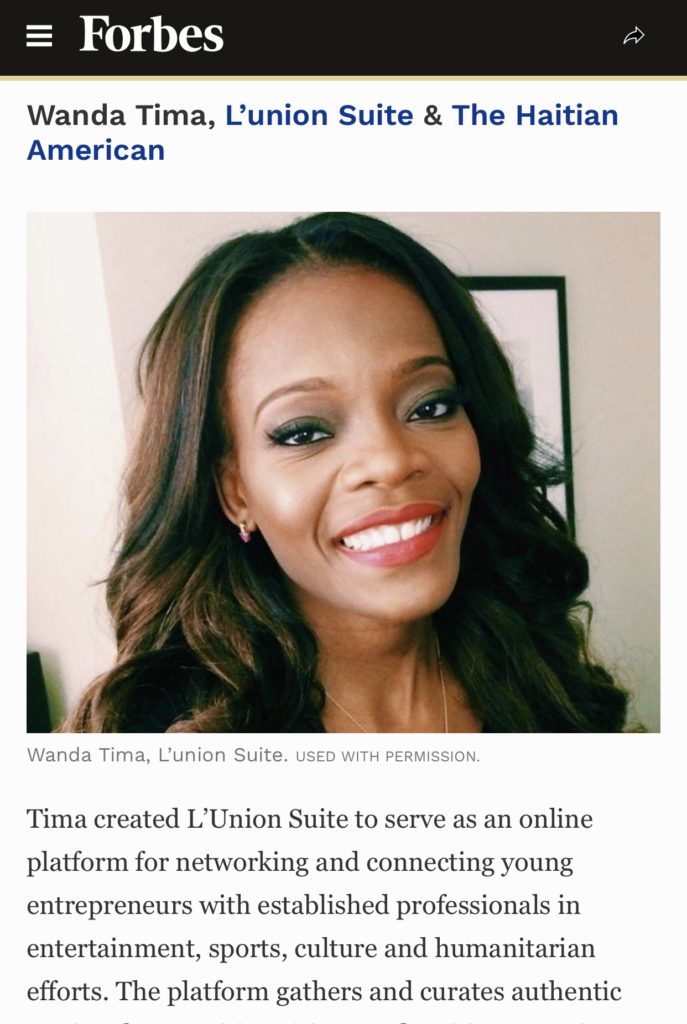
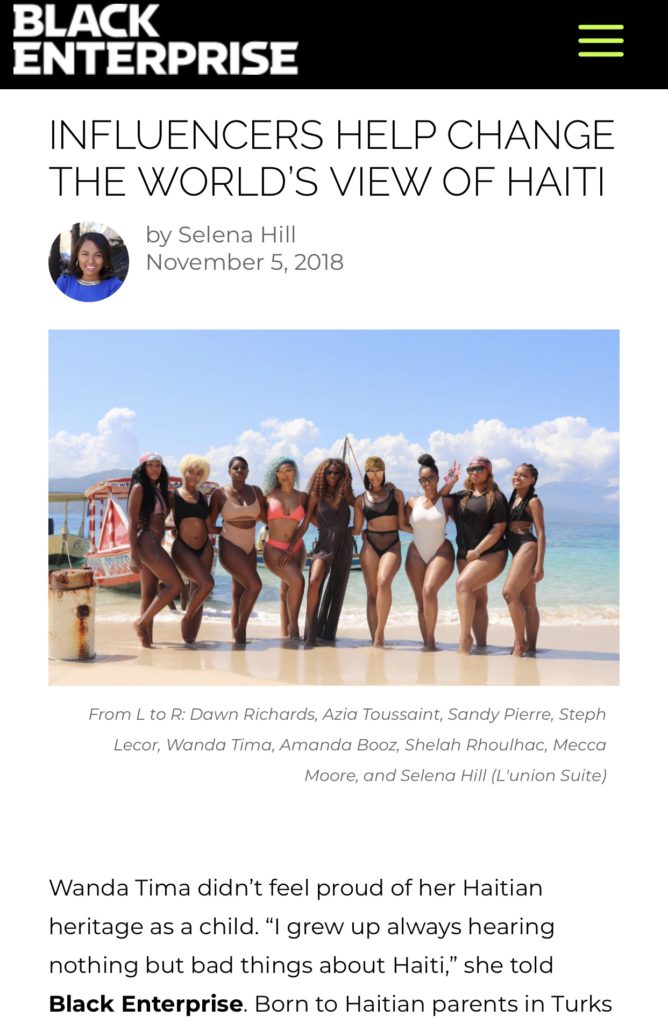
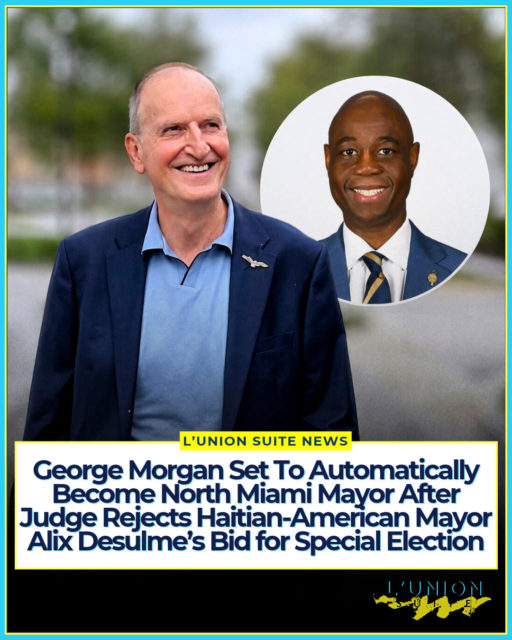
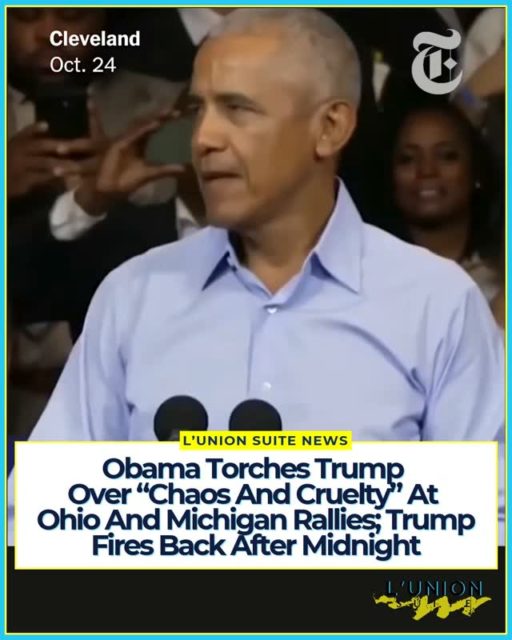
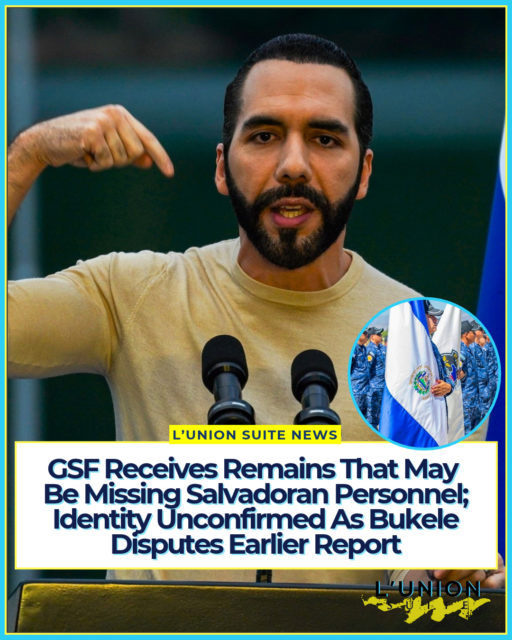
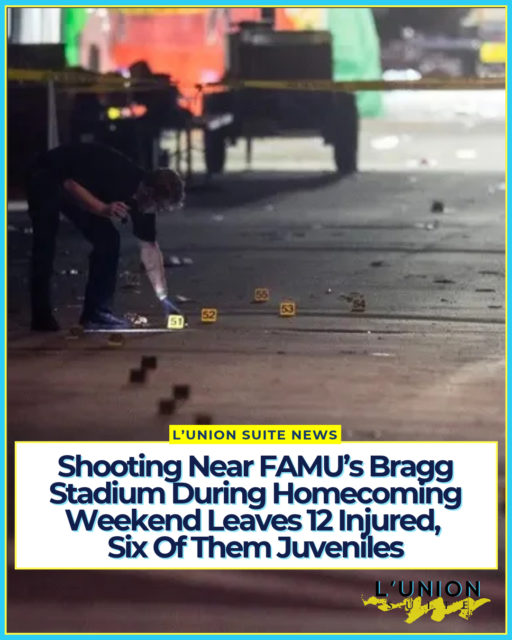

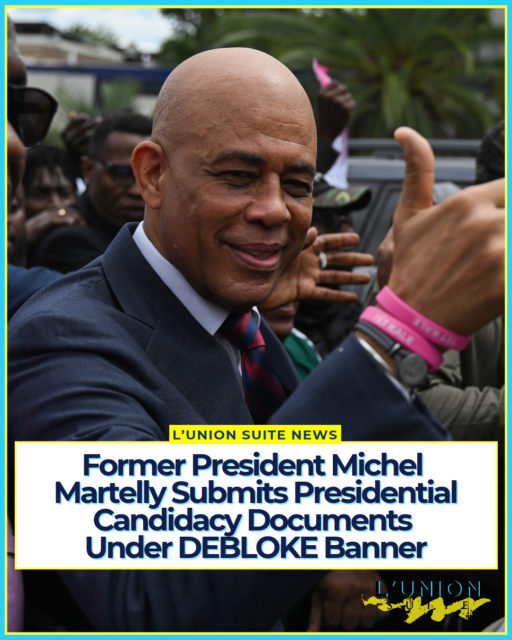

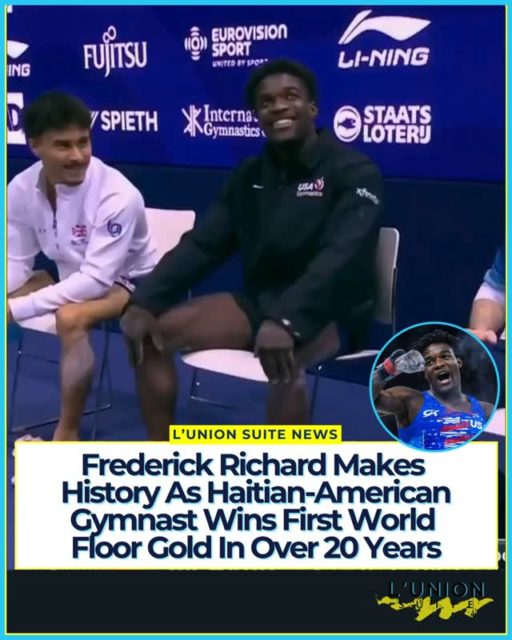



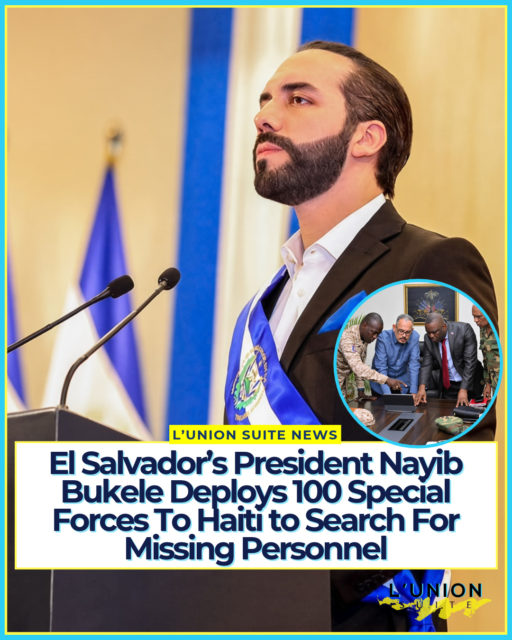


George Morgan is set to become North Miami's next mayor after a Miami-Dade judge rejected a request for a special election by current Mayor Alix Desulme, who had been on the ballot seeking reelection until Monday.
Desulme, a Haitian-American former city clerk and councilman, was appointed mayor in 2022 and won a full term in December 2024.
Circuit Judge Beatrice Butchko Sanchez disqualified Desulme from the Nov. 3 election after ruling that he improperly paid his candidate qualifying fees with cashier's checks. Morgan, who filed an emergency complaint on Oct. 8, argued that Desulme violated Florida election law by paying with two cashier's checks rather than checks drawn directly from his campaign account. Desulme has said the payment was made with a bank-certified check drawn from his campaign account.
Desulme's legal team responded by alleging that Morgan's own election assessment fee was underpaid by 80 cents. Desulme asked the court to reopen qualifying and hold a special election in December. On Thursday, the judge rejected that request, saying that a candidate who has already been disqualified cannot challenge another candidate's qualifications. The court has not ruled on whether Morgan's payment was short.
Because Desulme's name was already printed on the ballots, polling places must notify voters that the race is uncontested. Unless Desulme secures an appellate stay or overturns the ruling, Morgan effectively wins the office.
Desulme's attorney, Ben Kuehne, said his client plans to appeal. Kuehne called it "dramatically improper" that North Miami would have no election for mayor.
Morgan, a registered Republican who is running for office for the first time, struck a subdued tone after the ruling and told CBS News Miami that he was not celebrating the outcome.
The Nov. 3 election is still ahead, and the appeal is pending.
#lunionsuite #haitianamerican #haitian
8 hours ago

Former President Barack Obama returned to the campaign trail Saturday with rallies in Ohio and Michigan, delivering what one outlet called his most searing attack on President Donald Trump in years, 10 days before the November 3 midterm elections.
Obama rallied thousands of supporters at Cleveland Public Auditorium for Democratic gubernatorial candidate Amy Acton and Senate candidate Sherrod Brown. It was his first rally of the 2026 midterm cycle.
Obama blasted the administration's handling of the war with Iran. He called Trump and Defense Secretary Pete Hegseth "not serious people" and said Americans were paying the price for their decisions. He said the war had driven up the cost of oil, diesel and almost everything else, and credited his 2015 nuclear deal with keeping Iran from building a weapon without firing a missile. Trump withdrew the U.S. from that agreement in 2018.
Obama also pointed to economic promises from Trump's 2024 campaign that he said went unfulfilled, and to federal spending on White House renovations. He turned his fire on Ohio's Republican gubernatorial nominee, Vivek Ramaswamy, over a campaign ad featuring Acton's estranged mother. Obama said no office is worth stooping that low. He also joked that Ramaswamy and Republican Sen. Jon Husted have been avoiding the president, asking, "Donald who?"
That evening in Detroit, Obama campaigned for Democratic Senate nominee Abdul El-Sayed and gubernatorial nominee Jocelyn Benson. He framed the November 3 vote as a "circuit breaker" to rein in some of the foolishness of Trump's presidency. He criticized the administration's corruption, cruelty and chaos, and appeared to link the attacks on El-Sayed, whose Muslim faith has been a focus for Republican opponent Mike Rogers, to the "birther" conspiracy theories Trump once pushed against him.
Trump responded within hours. In a Truth Social post at 12:42 a.m. Sunday, he called Obama a "grossly incompetent President." He wrote that Obama paid Iran billions of dollars and gave it a path to a nuclear weapon, and that Hillary Clinton and Kamala Harris both lost despite Obama campaigning hard for them.
🎥 @NyTimes @BBCNews
#lunionsuite #haitianamerican
10 hours ago


The Gang Suppression Force (GSF) said Sunday it received, through a third-party humanitarian organization, remains suspected of being those of the four missing Salvadoran personnel. The identity of the remains has not been verified.
The announcement follows a conflicting set of reports on Saturday. The New York Times reported that four bodies had been found and were believed to be the Salvadoran soldiers. Hours later, President Nayib Bukele wrote on X that the bodies handed over to Salvadoran forces were not those of the four men. He said they included a child, a man much taller than the Salvadorans and a soldier from another country, and he shared photos of a Chadian soldier's identification.
An anonymous Salvadoran official told the AP the bodies were not those of the missing technicians. A second official with knowledge of the investigation said four bodies were recovered but there was no confirmation they were the Salvadorans. As of Saturday, the identities had not been independently confirmed, and the four technicians remained missing.
The GSF said the Chadian soldier remains with his unit and is not among the missing. The force said his card was lost during the search operations for the missing Salvadorans.
The four Salvadorans, aviation technicians, went missing on Sunday, October 18, after armed gangs ambushed their armored vehicle on the outskirts of the capital. The vehicle was hit by explosives and caught fire. The troops escaped it, but contact was then lost. The GSF said the attack took place in the Santo area.
On October 21, Bukele said Haitian gangs were holding the four men hostage and that he had launched a military operation to bring them back. Additional Salvadoran troops were later deployed to support search and security operations. The ambush was the first major attack on the GSF since it began operations in Haiti this year.
GSF Special Representative Jack Christofides expressed solidarity with the families of the four missing personnel, their comrades and the government and people of El Salvador.
#lunionsuite #haitianamerican #haitian #haiti
12 hours ago


Twelve people, six of them juveniles, were injured Saturday night in a shooting near Florida A&M University’s Bragg Memorial Stadium during the school’s homecoming weekend. Eleven of the victims were shot, and one was hurt while fleeing, according to Tallahassee police.
Police Chief Lawrence Revell confirmed the numbers at a press conference shortly after midnight. Six of the injured are adults and six are juveniles, the youngest 11. Authorities said three victims had serious injuries and one was in critical condition. Revell said one victim is believed to be a FAMU student and another a grandmother.
The shooting happened just before 8 p.m. near Perry and Manatee streets, about two hours after FAMU’s homecoming game against Arkansas-Pine Bluff ended. Investigators believe a physical altercation involving multiple people came before the gunfire. They have not said whether it was connected to the game. The Associated Press reported that no arrests had been made as of late Saturday.
As officers responded, FAMU sent an emergency alert telling anyone near Bragg Stadium and Perry Street to avoid the area or shelter in place. The university later expressed support for the victims and everyone affected and asked anyone with information to contact the Tallahassee Police Department.
Homecoming is one of the biggest weekends of the year at the HBCU, drawing students, alumni and families from across the country to Tallahassee. Mayor John Dailey posted a message to the FAMU community after the shooting.
This is a developing story and will be updated as more information becomes available.
#lunionsuite #haitianamerican
12 hours ago
Eight years after he was first reported to have used the phrase behind closed doors, President Donald Trump said it aloud to a Georgia rally crowd on Saturday night, named Haiti among its targets, and asked his audience if they remembered it.
“Remember what I called them? Sh*thouse countries,” Trump said, after accusing Democratic Senator Jon Ossoff of sponsoring “a bill to bring armies of migrants from terror-infested countries like Libya, Yemen, Haiti, Somalia.”
The remarks came ten days before the November 3 midterm elections, as Trump campaigned in one of the most closely watched Senate races in the country. Ossoff is seeking reelection against Trump-endorsed Republican Rep. Mike Collins.
The legislation Trump referred to would require the Secretary of Homeland Security to designate Haiti for Temporary Protected Status (TPS) until three months after January 20, 2029. Trump described the bill as a plan to bring in “armies of migrants,” but its text concerns protected status for Haitians, not new admissions.
Trump also recalled a closed-door meeting with Democratic senators during his first term. He said he asked why the United States always takes people from such countries instead of places like Norway, Sweden or Denmark. He pointed to unrest in France as a warning about open borders, then turned to Somali immigrants, claiming that “98% of the people that we have here now in Somalia don’t work.” He also said they “all have a Mercedes Benz.”
The remark has a long history. In January 2018, reports said Trump had called Haiti and some African countries “sh*thole countries” during a closed-door meeting with senators about immigration. Senator Dick Durbin publicly confirmed that Trump used the phrase. Senator David Perdue, who attended, and then-Homeland Security Secretary Kirstjen Nielsen both said they did not recall the language. Saturday’s remarks suggest Trump stands by the comment and is bringing it back at the end of the campaign.
Because Haiti was named in a speech about a specific bill, Haitian TPS is likely to stay in the political conversation through Election Day.
Please go out and VOTE!!!
#lunionsuite #haitianamerican #haitian
12 hours ago


Former Haitian President Michel Joseph Martelly on Friday submitted the documents supporting his candidacy for the presidency under the DEBLOKE political banner. The former head of state (2011–2016), widely known by his stage name Sweet Micky, was accompanied by a team of lawyers and a large crowd of supporters who gathered to show their backing as he completed the formalities at the Bureau Électoral Départemental (BED) de l’Ouest 1.
The filing follows Martelly’s earlier online registration with the Conseil Électoral Provisoire (CEP). Depositing the physical documents is a required step in the process; final validation rests with electoral authorities and is not automatic. Haiti’s general elections are scheduled for December 13, 2026, the first in more than a decade.
Martelly’s return to the political arena comes against a backdrop of international sanctions. The United States (via OFAC in 2024), Canada, and the European Union have imposed measures citing alleged links to drug trafficking, money laundering, gangs, violence, and human-rights issues. Haiti’s Unité de Lutte Contre la Corruption (ULCC) has also recommended legal action related to asset declarations. Recent changes to electoral rules removed a central-bank certificate requirement that had been viewed as a barrier for individuals under sanctions.
DEBLOKE, the platform under which he is running, brings together multiple parties and includes former PHTK figures. Other presidential hopefuls who have registered include former provisional president Jocelerme Privert, former prime minister Claude Joseph, and others. As of mid-October, roughly 16 presidential candidates had completed preliminary registration.
Martelly, who has spent time outside Haiti is seeking a second term more than a decade after leaving office. His filing has generated significant discussion on social media, reflecting the strong reactions his political return continues to provoke among Haitians at home and in the diaspora.
Electoral authorities will now review the submitted materials before determining the official list of validated candidates.
Sources: @clarens_siffroy | @passioninfoplus
#lunionsuite #haitianamerican #haitian
1 day ago


More than a concert, it was a celebration of Haitian music, culture, and community! 🇭🇹
@Rogersburgersnyc, a Caribbean-American burger brand founded by Haitian American entrepreneurs Jonathan Pierre-Lafleur and Josue Pierre, sponsored BélO’s sold-out performance at Joe’s Pub on October 14, bringing together more than 30 invited guests, including community leaders, artists, activists, media, and nonprofit representatives.
Before the concert, BélO stopped by Rogers Burgers in Flatbush to meet the co-founders, connect with local fans, and taste the restaurant’s signature Burger Créole, part of a menu recognized by The New York Times among its 19 Best Burgers in NYC.
The evening also featured a special recognition as BélO received a New York City Council Citation from Council Member Farah N. Louis, presented by Democratic State Committeeman and Rogers Burgers co-founder Josue Pierre, honoring his contributions to Haitian music, culture, and community.
From the restaurant in Flatbush to the stage at Joe’s Pub, the celebration reflected the power of Haitian culture and what happens when local businesses invest in their communities.
📸: @mcalexanderciceron
#lunionsuite #haitianamerican #lunionsuitepartners #AD
1 day ago


The drought is over!! Frederick Richard etched his name into gymnastics history on Saturday, winning the men’s floor exercise gold medal at the 2026 World Championships and becoming the first American man to claim the world title on floor since Paul Hamm shared gold in 2003.
The 22-year-old Massachusetts native and University of Michigan product scored a commanding 14.633, edging defending world champion Jake Jarman of Great Britain (14.600) by a razor-thin 0.033 points. Olympic floor champion Artem Dolgopyat of Israel took bronze with 14.466. Richard’s powerful, clean routine, clean flairs, and a stuck finish, delivered the highest execution score of the final and sealed his first individual world title in front of a roaring Ahoy arena crowd that included legendary U.S. gymnast Simone Biles watching from the stands.
This victory adds to an already historic résumé. Richard, the youngest American man to win an individual World Championships medal, took all-around bronze at the 2023 Worlds in Antwerp and helped the U.S. men’s team win bronze at the 2024 Paris Olympics, ending a long medal drought for American men. He is also a multiple NCAA champion and the 2026 U.S. all-around and floor champion.
@Frederickflips roots run deep in the Caribbean. His father, Carl Richard, is Haitian, and his mother, Ann-Marie Richard, is from Dominica. Born in Boston and raised in Stoughton, Massachusetts, Richard has spoken openly about the strength he draws from his family’s immigrant journey and the pride he feels representing both the United States and his Haitian heritage on the world stage. In a sport where Black male gymnasts remain underrepresented at the elite level, his success continues to inspire a new generation of athletes across the Haitian and broader Caribbean diaspora.
After the competition, Richard reflected on the mindset that carried him: “I hope this is a lesson to everybody that you don’t have to wait to get the win to say you will be a champion. You don’t have to know when it’s going to happen or how it’s going to happen, but believing it every second of every day does pay off. I’m proof of that now.”
🎥 @Nbcolympics
#lunionsuite #haitianamerican
1 day ago

El Salvador has reportedly increased its military presence in Haiti to 450 personnel as efforts continue to locate four Salvadoran aviation technicians who disappeared following a gang attack in Croix-des-Bouquets.
According to Haitian newspaper Le Nouvelliste, the number reached 450 on Friday evening, October 23, 2026, after another aircraft arrived in Port-au-Prince carrying 100 Salvadoran soldiers.
The reinforcements are expected to support the international Gang Suppression Force (GSF) and the Haitian National Police (PNH) in their ongoing search and security operations.
The four missing men were serving with the international mission when their vehicle came under attack on Sunday, October 18, in the Santo area of Croix-des-Bouquets. Their vehicle was reportedly hit by gunfire and explosives before catching fire. The men escaped, but communication with them was lost.
El Salvador’s President Nayib Bukele has since announced a military operation to bring the four men home safely. He warned armed groups that a stronger response would follow if the technicians were not released alive and unharmed.
The search has intensified across the Plaine du Cul-de-Sac, where armed gangs continue to pose a serious threat to residents and security forces.
As of the latest reports, the four Salvadorans remain missing, and their condition has not been publicly confirmed.
The deployment comes as Haiti and its international partners continue efforts to regain control of areas affected by gang violence.
#lunionsuite #haitianamerican
2 days ago


Meanwhile in Florida. A life-sized statue of Florida Governor Ron DeSantis, titled “Denial,” began melting shortly after its unveiling in Tallahassee earlier this month, its face giving way to a skull underneath. The installation, cast entirely in gallium (a metal that melts at about 85.6°F / 29.8°C), was designed to dissolve in Florida’s heat as a pointed critique of the governor’s record on climate change.
Rachel Maddow covered the artwork on her show, framing it as DeSantis’ climate policies colliding with Florida’s actual weather. The piece was created by climate advocacy group 350 Action, advertising agency Uncommon Creative Studio, and production company M ss ng P eces. It was unveiled around October 13 at Prime Meridian Plaza in the state capital, where temperatures reached 90°F, well above gallium’s melting point and enough for the statue’s features to drip away over the course of roughly 30–60 minutes, leaving a skeletal figure in a business suit.
A plaque at the base quotes DeSantis (“I am not a global warming person”) and references House Bill 1645, the 2024 energy law he signed that removed numerous references to “climate change” and greenhouse gas emissions from Florida statutes. The legislation also restricted certain local climate policies, limited wind energy development near the coast, and shifted priorities toward energy reliability and affordability over emissions reductions. Organizers described the melting monument as a visual response to those choices: a figure associated with rolling back climate language confronted by a material that cannot negotiate with temperature.
The installation arrives as DeSantis approaches the end of his second term in January 2027, with Florida voters set to choose his successor on November 3. 350 Action and its partners have framed “Denial” as a call for voters who prioritize climate issues to reject candidates they view as deniers and to support stronger action.As Maddow’s segment and widespread photos illustrated, the statue’s face cracked and dripped, exposing what was underneath before the metal pooled at its base.
🎥 @RachelMaddow
#lunionsuite #haitianamerican
2 days ago


Kid Cudi is taking the long-requested role of Jean-Michel Basquiat into his own hands. On Instagram, the rapper, actor, and filmmaker (Scott Mescudi) announced JEAN, a film he wrote, is directing, and will star in, with filming set for 2027.
“For years people have asked me about playing Jean Michel Basquiat in a film. But no project actually came to be. This year, I finally said fuck it, ima write it myself,” Cudi posted. He shared wardrobe test photos, including a rough version of a wig, and wrote: “This isnt the final just a rough, trust me we gon get it perfect.” He described the project as one he is “so proud of and excited about.”
Writing about a real person was “a challenge, but it was a welcomed one,” he said. “A lot of research, books, talks with people that knew him. This film will be a love letter to Jean, the 80s and NY city. Jean has inspired me all through out my career, and it will be the biggest honor to tell his story in a way we haven’t seen before.” He closed by dedicating it to dreamers: “I know a lot of yall gon be like FINALLY hahaha I love it. This ones for all those dreamers out there.”
Basquiat (1960–1988), the Brooklyn-born Neo-Expressionist painter and former graffiti artist (under the tag SAMO), remains one of the most influential figures of the 1980s New York art scene. Of Haitian and Puerto Rican descent, his father, Gérard, was a Haitian immigrant from Port-au-Prince, and his mother, Matilde, was of Puerto Rican heritage, he drew on themes of race, class, power, history, and identity. Elements linked to Haitian culture, including references associated with Vodou. He rose rapidly from downtown graffiti and street presence to international gallery success before his death at age 27.
The announcement arrives amid other Basquiat-related projects, including Julian Schnabel’s 1996 film Basquiat, a Netflix documentary approved by the artist’s estate, and additional narrative efforts in various stages. Cudi’s version is framed as a personal love letter grounded in research and conversations with people who knew the artist, rather than waiting for another project to cast him.
📸 @KidCudi
#lunionsuite #haitianamerican
3 days ago


El Salvador’s President Nayib Bukele sent 100 special forces soldiers to Haiti on Thursday, October 22, to join the search for four Salvadoran military personnel who have been missing since a gang ambush on Sunday, October 18, the Miami Herald reported. Sources familiar with the deployment told the Herald that another 100 troops could follow and that the current move is only the beginning.
The four men, aviation technicians with El Salvador’s contingent in the United Nations-authorized Gang Suppression Force, were attacked while returning to base in an armored white Toyota Land Cruiser after visiting a supermarket in the Santo 19 area of Croix-des-Bouquets. Heavily armed members of the Chen Mechan gang, with reported support from 400 Mawozo, fired on the vehicle, hit it with multiple rounds, and then set it on fire with an explosive device. El Salvador’s Armed Forces said the four managed to escape the burning vehicle, but contact with them has not been reestablished and search operations continue.
Bukele announced Wednesday on social media that additional Salvadoran troops would be sent to help locate the missing personnel. He stressed that the men are pilots and technical staff whose primary role is medical evacuations and support rather than combat, and he warned gang leaders that failure to return them alive and unharmed would trigger a stronger response.
Residents in the Santo and Croix-des-Bouquets areas described intense gunfire and helicopter activity on Thursday as international forces operated across the Cul-de-Sac Plain, according to the Miami Herald. The incident is the first major attack on Gang Suppression Force personnel since the mission began deploying earlier this year and the first involving soldiers who were not actively engaged in combat at the time of the ambush.
#lunionsuite #haitianamerican
3 days ago