




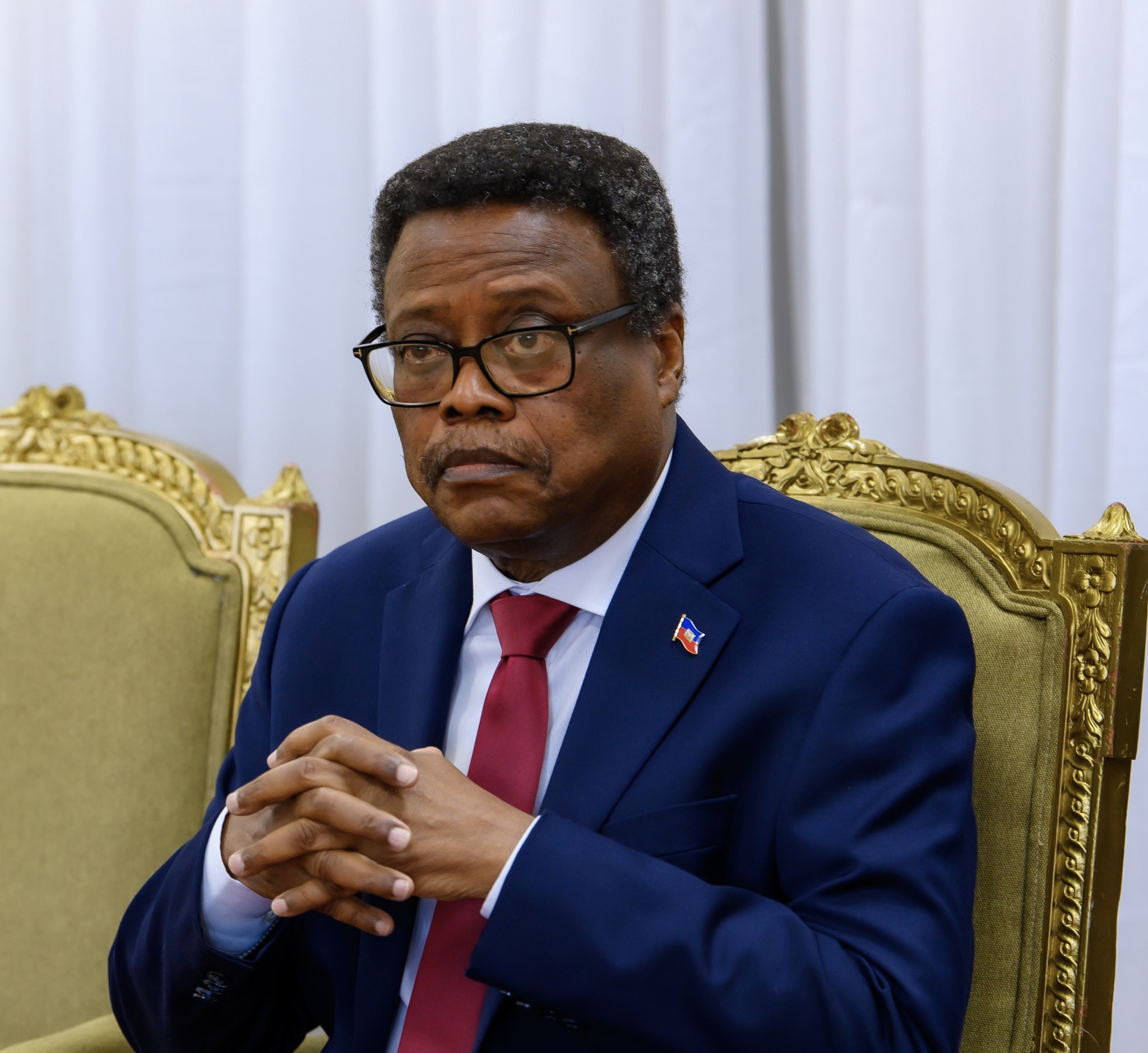
Port-au-Prince, Haiti – November 25, 2025 – In a sharp escalation of its efforts to curb Haiti’s rampant gang violence, the United States has slapped visa restrictions on Fritz Alphonse Jean, a key figure in the country’s Transitional Presidential Council (TPC), accusing him of bolstering criminal networks and undermining anti-gang initiatives.
The State Department’s announcement, released late Monday, targeted an unnamed “Haitian government official” for allegedly aiding “gangs and other criminal organizations” while obstructing operations against groups Washington has labeled as foreign terrorist organizations. By Tuesday morning, Jean – the economist and former central bank governor representing the Montana Accord on the nine-member TPC – publicly confirmed he was the individual in question, vehemently denying the claims in a statement to The Associated Press.
“I reject these baseless accusations entirely,” Jean declared from Port-au-Prince. “The council remains committed to combating corruption, drug trafficking, and gang violence that plagues our nation.” He expressed shock at the timing and lack of prior notice, adding that the move appeared linked to internal TPC discussions about replacing Prime Minister Alix Didier Fils-Aimé. “Once we started reviewing the possibilities of changing the head of government, members of [the council] started receiving threats of visa cancellation and other sanctions from the U.S. Embassy representative and the Canadian ambassador,” Jean alleged.
Fils-Aimé’s office has not yet responded to requests for comment on the matter.
The TPC was established in March 2025 in the chaotic aftermath of former Prime Minister Ariel Henry’s resignation, triggered by nationwide unrest and gang-fueled sieges on the capital. Tasked with steering Haiti toward elections by February 7, 2026, the body has instead been plagued by infighting, corruption scandals, and accusations of power-hoarding. Critics, including U.S. diplomats, claim some members are maneuvering to install a more pliable prime minister and extend their mandate beyond the deadline, further stalling progress on security and governance reforms.
Jean’s sanction arrives against this backdrop of dysfunction, as gangs control roughly 90% of Port-au-Prince and vast swaths of central Haiti, extorting businesses, displacing civilians, and wielding military-grade weapons in turf wars. A U.N.-backed Kenyan-led mission has made limited inroads, and recent U.S.-pushed resolutions at the Security Council aim to empower a new “Gang Suppression Force” with arrest powers – but political gridlock threatens to derail it all.
U.S. Deputy Secretary of State Christopher Landau laid the groundwork for such actions last week in a stark social media post: “The U.S. and our partners have a clear message: enough with gang violence, destruction, and political infighting. Anyone obstructing stability will face consequences, including visa revocations.” The measure against Jean marks the latest in a broader U.S. campaign since 2022, which has targeted over a dozen Haitian officials and business leaders for enabling gang activity.
Jean, who briefly served as TPC president in a rotating role, countered that the council is “standing firm” against corruption, state capture, drug trafficking, and arms proliferation. In a follow-up press conference hours after his AP interview, he distributed a four-page statement reiterating calls to oust Fils-Aimé and shared purported messages from unnamed sources pressuring the council.
As Haiti teeters on the brink – with fresh gang assaults last week underscoring the urgency – this sanction risks deepening divisions within the TPC at a critical juncture. While the U.S. frames it as a stand against impunity, Jean’s allies decry it as foreign meddling aimed at propping up a faltering status quo.
With elections looming and violence unabated, the incident highlights the high-stakes tightrope Haiti walks: balancing internal reform with international pressure, all while gangs tighten their grip. Whether this catalyzes unity or fracture remains to be seen – but for now, it casts a long shadow over the island nation’s path to stability.
This story is developing. Updates will follow as Haitian officials respond and the TPC navigates the fallout.