




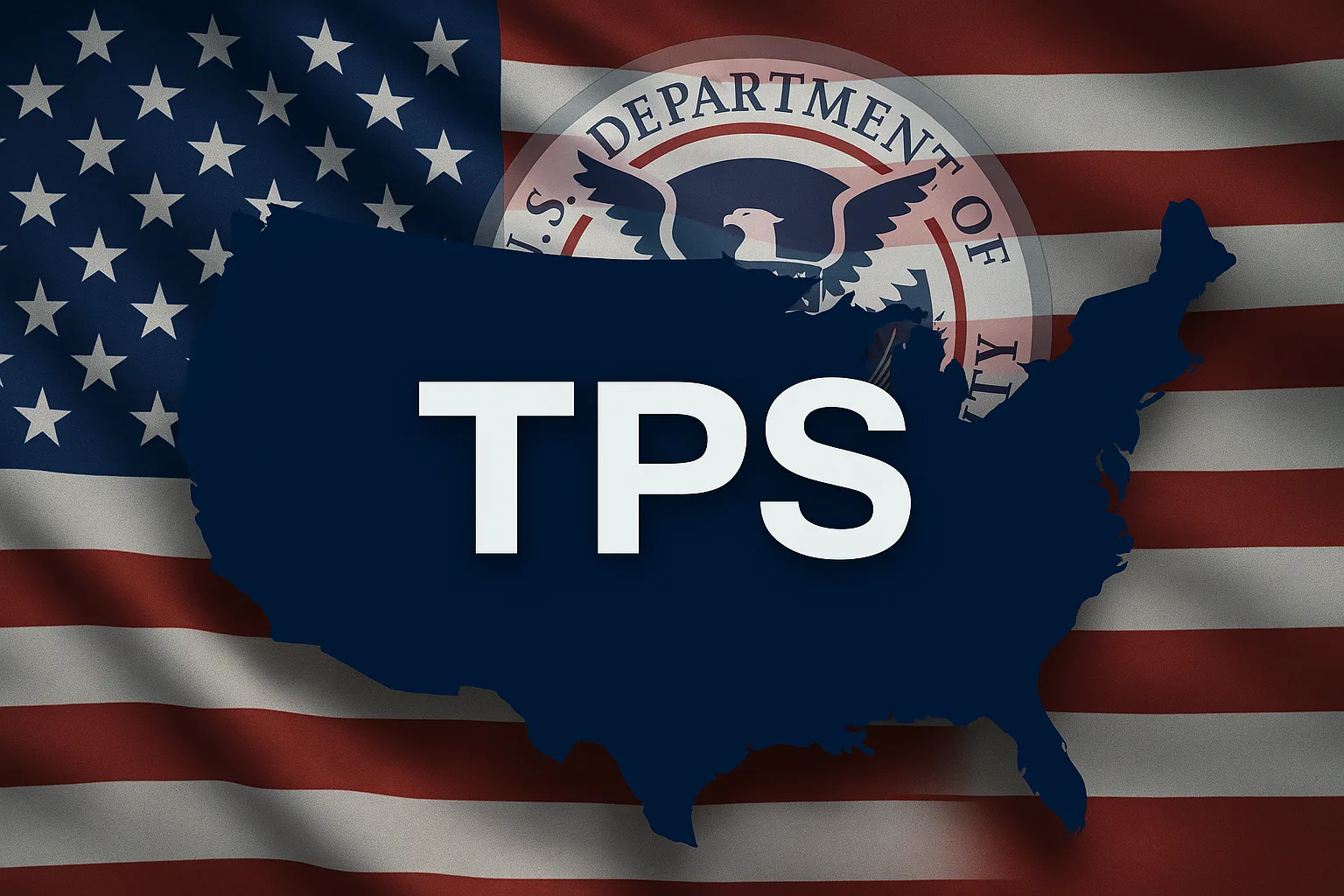
For thousands of Haitian families across the United States, July 10 marks a critical moment in the ongoing fight over Temporary Protected Status.
The date is currently listed in federal employment-verification guidance as the expiration date for certain TPS-related work authorization documents held by affected Haitian beneficiaries. The uncertainty follows the U.S. Supreme Court’s decision clearing the way for the Trump administration to move forward with ending protections for Haitians and Syrians.
For many Haitian TPS holders, the immediate concern is work.
Depending on their individual immigration situation and employment documents, affected workers could face losing TPS-based authorization to legally earn a paycheck. Others may have a separate immigration status, another valid employment authorization document or a different form of legal relief that allows them to continue working.
That distinction matters. July 10 does not mean every Haitian TPS holder automatically loses all legal status or faces immediate deportation on the same day. Individual circumstances can vary, and the legal fight surrounding TPS has continued to create uncertainty for workers, families and employers.
The impact could be especially significant in South Florida, home to one of the largest Haitian communities in the United States. Haitian TPS holders work across healthcare, hospitality, caregiving, construction and other industries that depend heavily on experienced workers.
Florida business leaders have already warned about the possible economic consequences. Hospitality groups have asked the federal government for additional transition time and clearer guidance, while healthcare experts have raised concerns that losing Haitian caregivers could deepen existing staffing shortages in nursing homes, assisted-living facilities and private homes.
The deadline also comes one day after Haitian-led organizations and allies held a National Day of Action on July 9 in communities across the country. Demonstrators rallied around a message that has become central to the movement:
“People are not temporary.”
For many families, the uncertainty reaches far beyond immigration paperwork. It affects jobs, rent and mortgage payments, children, healthcare, businesses and the ability to support loved ones both in the United States and in Haiti.
Some Haitian TPS holders have lived in the United States for years, building careers and becoming deeply connected to the communities where they live and work. Now, many are trying to understand what the latest legal changes mean for their future.
As of July 10, the situation remains complex, and affected individuals are being urged to review their specific immigration and employment documents and seek qualified legal guidance when necessary.
For families who have spent years building lives in the United States, the question is no longer about a distant future date.
The uncertainty is here now.
Share this:
- Share on Pinterest (Opens in new window) Pinterest
- Share on X (Opens in new window) X
- Share on Facebook (Opens in new window) Facebook
- Share on WhatsApp (Opens in new window) WhatsApp
- Email a link to a friend (Opens in new window) Email
- Share on LinkedIn (Opens in new window) LinkedIn
- Share on Tumblr (Opens in new window) Tumblr
- Share on Reddit (Opens in new window) Reddit
- Print (Opens in new window) Print




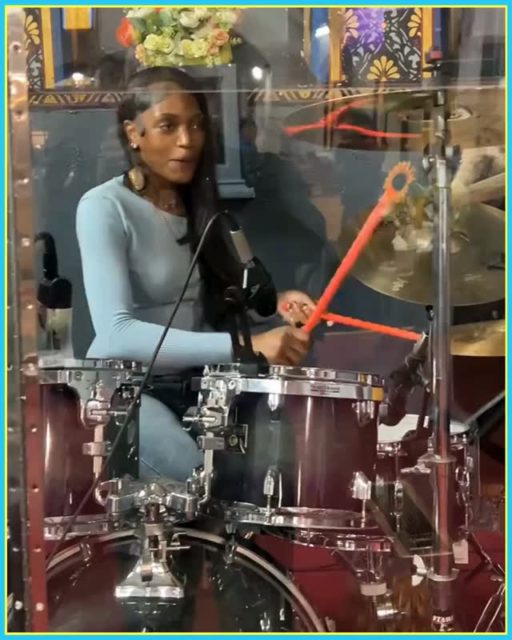
![Grammy-winning producer and Haitian cultural ambassador Michaël Brun is bringing BAYO back to Miami’s Little Haiti on November 22, for a free block party celebrating the movement’s 10th anniversary, made possible through a major partnership with Rockstar Games.
Presented with support from Rockstar Games, the company behind the #GrandTheftAuto (https://www.instagram.com/explore/tags/grandtheftauto/) franchise, the event will welcome up to 7,500 attendees, the largest Little Haiti edition to date. Admission is free, with tickets distributed through a raffle and more than half reserved specifically for Florida residents and Haitian communities. Fans can sign up now at [bayotour.com]
In announcing the return, Brun said: “10 years ago, BAYO made its US debut as a free block party in Little Haiti celebrating Haitian and Caribbean culture. That show was the beginning of a beautiful journey across 12 cities, over 50,000 tickets sold, multiple arena and park shows and over 140 artist guests from around the world. I’m so proud to be bringing BAYO back to Little Haiti for our biggest show ever on November 22nd. New venue, huge surprises, our most iconic lineup of all time and FREE tickets courtesy of Rockstar Games.”
The timing adds another layer of visibility. Rockstar Games’ highly anticipated GTA VI is set for release on November 19, 2026, just three days before the BAYO celebration. The game’s fictional Vice City is famously inspired by Miami, placing the partnership and the Little Haiti event in the same cultural spotlight.
The Little Haiti return closes an anniversary run that already included Boston’s Agganis Arena and a sold-out three-night residency at Brooklyn Paramount. With Rockstar Games’ support making the celebration free and accessible, the 10th anniversary returns full circle to the neighborhood where BAYO began, bringing music, culture, and community together on a bigger stage.
#lunionsuite #haitianamerican](https://www.lunionsuite.com/wp-content/uploads/2015/04/857202981_18645558742023307_1930732005552624620_n-512x640.jpg)


![Grammy-winning producer and Haitian cultural ambassador Michaël Brun is bringing BAYO back to Miami’s Little Haiti on November 22, for a free block party celebrating the movement’s 10th anniversary, made possible through a major partnership with Rockstar Games.
Presented with support from Rockstar Games, the company behind the #GrandTheftAuto (https://www.instagram.com/explore/tags/grandtheftauto/) franchise, the event will welcome up to 7,500 attendees, the largest Little Haiti edition to date. Admission is free, with tickets distributed through a raffle and more than half reserved specifically for Florida residents and Haitian communities. Fans can sign up now at [bayotour.com]
In announcing the return, Brun said: “10 years ago, BAYO made its US debut as a free block party in Little Haiti celebrating Haitian and Caribbean culture. That show was the beginning of a beautiful journey across 12 cities, over 50,000 tickets sold, multiple arena and park shows and over 140 artist guests from around the world. I’m so proud to be bringing BAYO back to Little Haiti for our biggest show ever on November 22nd. New venue, huge surprises, our most iconic lineup of all time and FREE tickets courtesy of Rockstar Games.”
The timing adds another layer of visibility. Rockstar Games’ highly anticipated GTA VI is set for release on November 19, 2026, just three days before the BAYO celebration. The game’s fictional Vice City is famously inspired by Miami, placing the partnership and the Little Haiti event in the same cultural spotlight.
The Little Haiti return closes an anniversary run that already included Boston’s Agganis Arena and a sold-out three-night residency at Brooklyn Paramount. With Rockstar Games’ support making the celebration free and accessible, the 10th anniversary returns full circle to the neighborhood where BAYO began, bringing music, culture, and community together on a bigger stage.
#lunionsuite #haitianamerican](https://scontent-yyz1-1.cdninstagram.com/v/t51.82787-15/858197944_18645558700023307_686072295350904763_n.jpg?stp=dst-jpg_e35_tt6&_nc_cat=100&ccb=7-5&_nc_sid=18de74&efg=eyJlZmdfdGFnIjoiQ0FST1VTRUxfSVRFTS5iZXN0X2ltYWdlX3VybGdlbi5DMyJ9&_nc_ohc=bOQ5XMx_Z1YQ7kNvwGG7S4C&_nc_oc=AdpRGLfZNHddto393TLgTmmy4hfWc5JLTXDdw5hgJXVgYUpW7ZDy46ppArbX5fDarcg&_nc_zt=23&_nc_ht=scontent-yyz1-1.cdninstagram.com&edm=ANo9K5cEAAAA&_nc_gid=mq65anTJvbtIjGTqLlD80A&_nc_tpa=Q5bMBQKe45SIwQKG3YiqBkvjD0dTp07rD7uu1DcA6dHCyruRFG2Ev8NCBVSFokFIEJ9V1ewvlYkFqIT9&oh=00_AQOftVSsE-G2Ggb9FIv4kTknd8mxAhdmbXMDulTvTHqBaw&oe=6ADD5033)