






Haiti’s fragile path to democracy: August 30, 2026 set as tentative first-round date, but stability remains the key condition
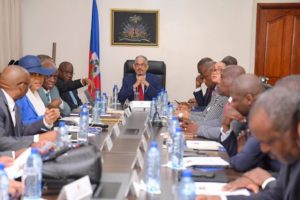
Port-au-Prince, Haiti – December 31, 2025 Prime Minister Alix Didier Fils-Aimé paid a high-profile visit to the Provisional Electoral Council (CEP) on Tuesday, December 30, to personally underscore the government’s full commitment to organizing long-overdue general elections in 2026.
The meeting signals renewed momentum in Haiti’s protracted political transition, nearly a decade after the last nationwide elections in 2015–2016 and following the 2021 assassination of President Jovenel Moïse that plunged the country into deeper instability.
Electoral Calendar in Place – Security the Deciding Factor
During the discussions, Prime Minister Fils-Aimé welcomed the CEP’s recently published electoral calendar, which sets:
- First round of presidential, legislative, and local elections on August 30, 2026
- Potential second round (if needed) on December 6, 2026
The timeline was submitted by the CEP in November and officially formalized after the Transitional Presidential Council (CPT) approved and published the electoral decree on December 1.
However, both the Prime Minister and CEP members stressed that these dates remain conditional on substantial improvements in security. Armed gangs continue to dominate large swaths of Port-au-Prince and surrounding areas, displacing over 1.3 million people, destroying critical infrastructure, and severely restricting movement and state authority.
Without meaningful progress in restoring order — particularly through the ongoing Multinational Security Support (MSS) mission led by Kenya and backed by the United Nations — the August vote could be postponed.
Prime Minister Fils-Aimé called on the international community to intensify support for Haiti’s National Police and broader anti-gang efforts, describing security as “the indispensable foundation for any credible electoral process.”
A Long Road Ahead
Haiti’s democratic institutions have been effectively hollowed out for years. There is no sitting parliament, no directly elected president, and local mandates have long expired. The current transitional government, installed under international pressure, has faced criticism for delays but also acknowledgment of the extraordinary challenges: chronic funding shortfalls, logistical nightmares for voter registration and polling site assessments, and persistent threats from armed groups.
The United States, Canada, France, and other partners have repeatedly urged Haiti to hold timely elections while recognizing that violence and resource gaps make the task Herculean.
CEP officials have been candid: without safe access to neighborhoods for voter enrollment, without secure locations for polling stations, and without confidence that citizens can vote freely, the process risks becoming another empty exercise.
A Glimmer of Determination
Tuesday’s visit — one of the Prime Minister’s most visible engagements with the electoral body — was framed as a message of unity and resolve. Photos released by the government showed Fils-Aimé seated with CEP President Smith Augustin and council members, reviewing documents and maps.
For many Haitians weary of endless transitions, the meeting offered cautious optimism: the calendar exists, the decree is published, and the country’s leadership is publicly aligned on the goal.
But the overriding question remains unanswered: can Haiti reclaim enough stability in the next eight months to allow millions to cast ballots safely?
As 2025 ends and 2026 dawns, the nation holds its breath. Elections are not just a date on a calendar — they are the path back to legitimate governance, accountability, and hope.
L’Union Suite will continue to track every step toward August 30, 2026, and keep the community informed on security developments, funding updates, and voter preparation efforts.
The Haitian people deserve their voice restored. Nou pa lage.