






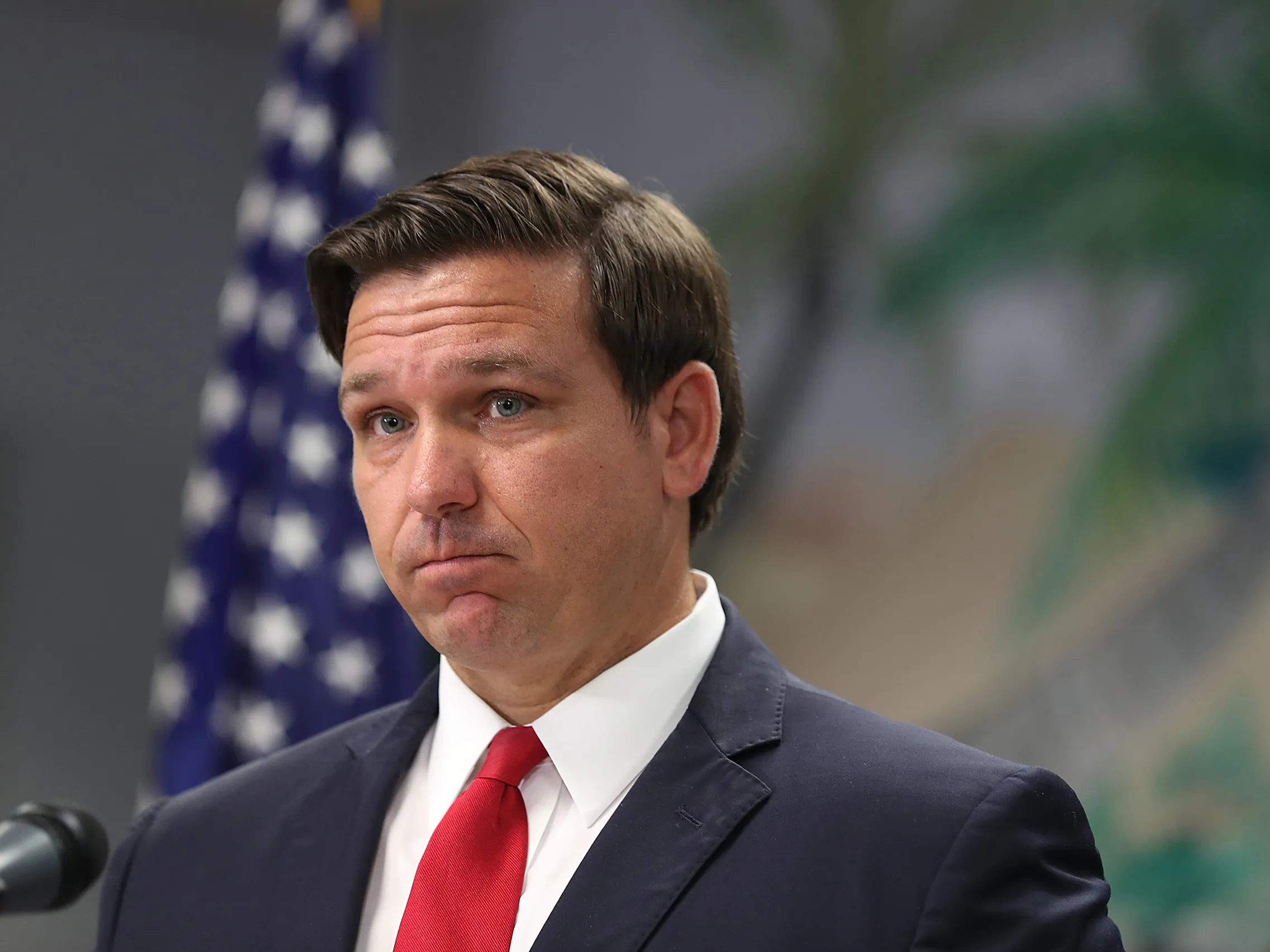
In a significant legal development, the U.S. Supreme Court on Wednesday declined Florida’s emergency request to reinstate key provisions of its controversial new immigration law. The one-sentence order, issued without further explanation, allows a lower court’s injunction to remain in place — marking a major setback for Governor Ron DeSantis’ ongoing push to criminalize certain immigration-related activities at the state level.
The law, signed earlier this year, would make it a state crime for individuals to enter Florida after crossing the U.S. border without authorization, or to re-enter the state following deportation. The measure was quickly challenged by two immigration advocacy organizations and two undocumented immigrants, who argued that the law infringes on federal authority and could lead to widespread racial profiling and discrimination.
In April, U.S. District Judge Kathleen Williams issued a temporary injunction blocking enforcement of the law, raising concerns about its constitutionality and suggesting it intrudes on immigration powers reserved for the federal government. Her stance was furthe
r solidified in June, when the 11th U.S. Circuit Court of Appeals upheld her decision and denied a request by Florida Attorney General James Uthmeier to lift the injunction. Judge Williams also held Uthmeier in civil contempt for what she described as efforts to sidestep her court orde
r.
Despite these rulings, Florida’s legal team continued to argue that the law complemen
ts federal immigration objectives. A brief submitted to the Supreme Court, including support from former Trump administration officials, maintained that the state’s law mirrors existing federal immigration statutes related to illegal entry and reentry. However, opponents, led by the American Civil Liberties Union (ACLU), countered that the legislation violates the Constitution and undermines federal authority — citing the 2012 Supreme Court decision in Arizona v. United States, which reaffirmed federal supremacy in immigration matters.
Bacardi Jackson, Executive Director of the ACLU of Florida, praised the Supreme Court’s decision, calling it a clear victory for constitutional governance and immigrant rights.
“This is not just a legal win,” Jackson said, “it’s a reaffirmation that states cannot override federal authority when it comes to immigration — a deeply complex and nationally significant matter.”
With the Supreme Court’s decision to leave the injunction in place, the law remains unenforceable while legal challenges proceed. The 11th Circuit has scheduled an
expedited appeal hearing for October, where the future of the law — and the balance of state versus federal power in immigration enforcement — will be further tested.