





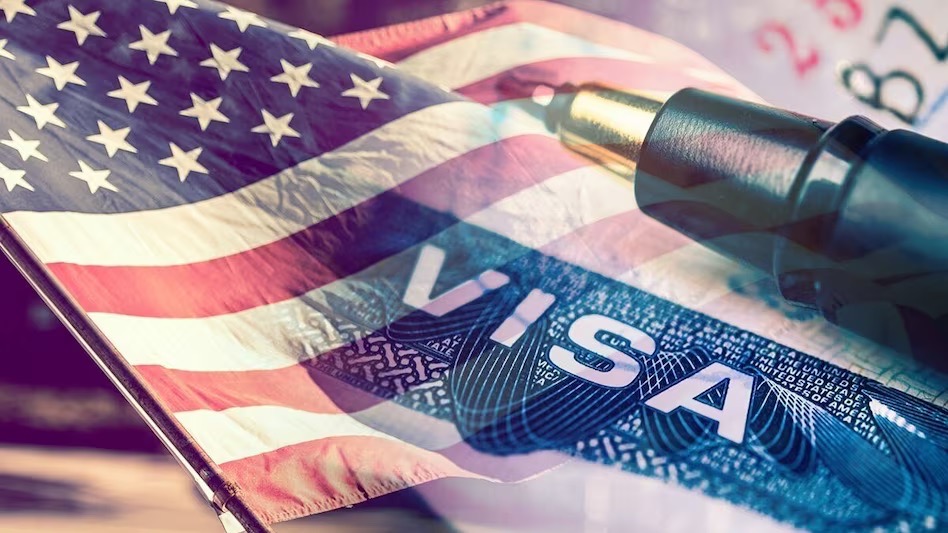
Starting August 20, 2025, the U.S. Department of State will roll out a new 12-month pilot program that could impose steep refundable visa bonds—ranging from $5,000 to $15,000—on select B-1 (business) and B-2 (tourist) visa applicants from Haiti and several other nations with high overstay rates.
The program, announced via the Federal Register on August 5, is aimed at curbing visa overstays among nationals from countries such as Haiti, Myanmar, Yemen, Chad, and Eritrea. According to the U.S. Department of Homeland Security’s FY 2023 Overstay Report, Haiti had an overstay rate of 31%, making it a key target of this new enforcement approach.
Under the policy, U.S. consular officers will determine the bond amount on a case-by-case basis—typically $10,000 for adults and $5,000 for children. The bond is fully refundable if the traveler exits the U.S. before their visa expires or submits a timely extension or status change request. Failure to comply would result in forfeiture of the bond.
The initiative revives a 2020 Trump-era proposal that was stalled due to the COVID-19 pandemic. Now, five years later, it is being piloted with an expected impact on approximately 2,000 applicants, according to estimates from the U.S. Travel Association.
The State Department is expected to release the final list of affected countries at least 15 days prior to the program’s launch. So far, Malawi and Zambia have also been named, with the list subject to change during the course of the pilot, which runs through August 5, 2026.
Travelers from the 42 countries participating in the Visa Waiver Program—including Canada, Japan, and most European nations—will not be subject to the bond requirements.
For Haitian families, entrepreneurs, and frequent travelers, this new rule introduces significant financial challenges. Critics warn that the bond requirement may limit access for legitimate travelers and further strain U.S.-Haiti relations. On the other hand, proponents argue that it reinforces immigration compliance and pressures foreign governments to better vet outbound travelers.
The program coincides with other recent immigration measures, including a June 2025 travel ban affecting 19 countries—some of which overlap with those targeted for the visa bond program.
As the pilot begins, its impact on Haitian travelers, their families, and the broader diaspora will be closely monitored. Many await clarity on how the policy will be applied and whether it will eventually be adopted on a permanent basis.