




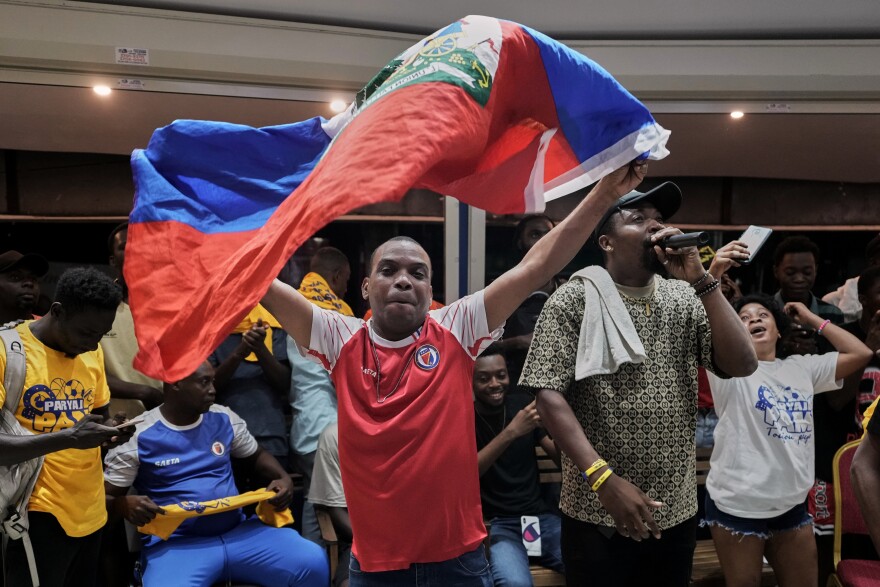
Port-au-Prince, Haiti – November 26, 2025 – For the first time in 51 years, Haiti’s national soccer team, Les Grenadiers, has punched its ticket to the FIFA World Cup, igniting nationwide celebrations amid a crisis that has long tested the nation’s spirit. A thrilling 2-0 victory over Nicaragua on November 18 sealed the deal, topping Group C in the Concacaf qualifiers and marking only the second appearance in the tournament’s history after 1974. Yet, as the joy ripples through streets still scarred by gang violence, a harsh reality looms: for most Haitian fans, the dream of cheering in person ends at the airport, thanks to a U.S. travel ban.
The expanded 2026 FIFA World Cup – co-hosted by the United States, Canada, and Mexico from June 11 to July 19 – will feature 48 teams across 16 host cities, promising an unprecedented spectacle. Haiti is slated for at least one group-stage match in the U.S., with the full schedule to be unveiled at the official draw on December 5 in Washington, D.C. But President Donald Trump’s executive order, signed on June 4, 2025, titled “Restricting the Entry of Foreign Nationals to Protect the U.S. from Foreign Terrorists and Other National Security and Public Safety Threats,” slams the door shut on most Haitian nationals.
The ban targets 12 countries with full restrictions, including Haiti, citing national security risks, high visa overstay rates, and inadequate vetting capabilities. It prohibits entry for both immigrants and non-immigrants, effectively grounding travel for tourism, business, or spectatorship.
A slim exemption exists for athletes, coaches, essential support staff, and their immediate relatives attending major events like the World Cup or Olympics, as determined by the Secretary of State. This ensures Les Grenadiers – led by figures like Philadelphia Union’s Danley Jean Jacques – can take the field unhindered. But a U.S. State Department spokesperson confirmed to POLITICO that no such carve-out applies to fans or spectators: “This exception will not apply to Haitian fans or spectators hoping to attend.” While supporters can submit visa applications and book interviews, they “may be ineligible for visa issuance or admission to the U.S.”
Canada has mirrored the U.S. policy, imposing aligned visa restrictions on Haitian nationals that could block access to venues in Toronto or Vancouver. Direct flights from Haiti to Mexico are scarce, and most routes require U.S. connections – a non-starter under the ban. Haiti now joins Iran as the only other qualified nation whose citizens face such barriers, turning what should be a global celebration into a tale of two realities: one for players, another for passionate supporters left behind.
The policy clashes head-on with FIFA’s vision of the World Cup as a borderless festival of football. In 2017, amid Trump’s first-term travel restrictions, FIFA President Gianni Infantino issued a stark warning: “It’s obvious when it comes to FIFA competitions, any team, including the supporters and officials of that team, who qualify for a World Cup need to have access to the country, otherwise there is no World Cup.” The statement, made as the U.S. bid for 2026 gained traction, underscored that true inclusivity demands open doors for fans, not just athletes.
FIFA has yet to comment on Haiti’s qualification and the ban’s implications, but the tension is palpable. With ticket sales ramping up and the draw looming, advocates worry this could mar the tournament’s spirit – especially for a nation where soccer offers rare unity amid displacement, poverty, and peril.
Haiti’s improbable run – overcoming a suspended coach who had never set foot in the country, playing “home” games abroad, and defying a humanitarian catastrophe – mirrors the grit that defines Les Grenadiers. Fans in Port-au-Prince erupted in song and dance after the Nicaragua win, a fleeting escape from the gangs that control 90% of the capital. Now, as the diaspora – over 850,000 strong in the U.S., concentrated in Florida – rallies to fill stadiums, the question hangs: Will pressure from FIFA, the White House Task Force, or global outcry force a fan exemption before kickoff?
For now, Haiti’s World Cup story is one of triumph laced with exclusion – a reminder that even on football’s grandest stage, borders can blunt the beautiful game’s reach.
This developing saga will see updates as the December 5 draw approaches and potential policy shifts emerge.