






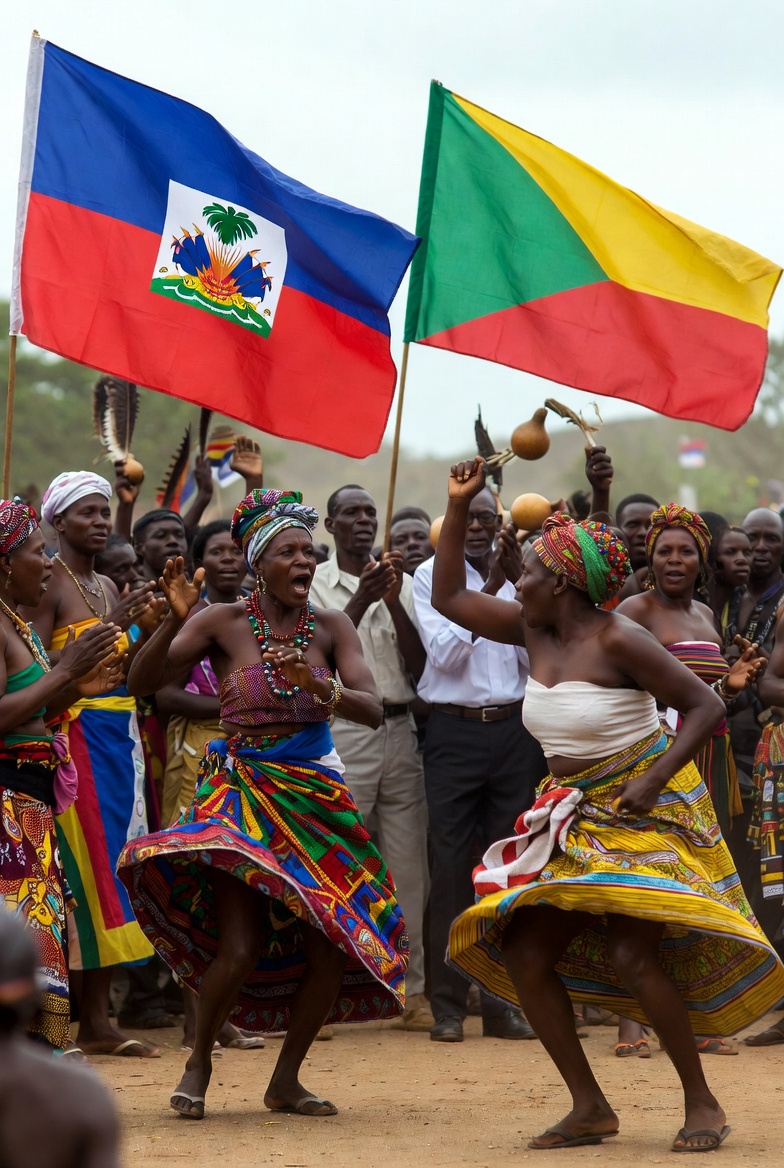
Multinational dossier highlights Vodou’s music, dance, rituals, and social practices as living traditions forged through history and the transatlantic slave trade
Port-au-Prince / Cotonou – March 2026 Haiti and Benin have taken a historic step together by jointly submitting the nomination “Living arts and social practices of Vodou in Benin and Haiti” to UNESCO’s Representative List of the Intangible Cultural Heritage of Humanity.
The multinational file, prepared collaboratively by cultural authorities in both countries, presents Vodou not as a stereotype or Hollywood caricature, but as a comprehensive, vibrant, living tradition that continues to foster social cohesion, transmit knowledge, and build community resilience across West Africa and the Caribbean.
A Shared Heritage Born from History
Vodou (also spelled Vodun or Voodoo depending on regional context) originates in the ancient kingdoms of the Gulf of Benin region, particularly historical Dahomey (present-day Benin), where it was deeply tied to royal and communal life. Deities and spirits are linked to natural elements — water, earth, air, fire — and play central roles in healing, protection, celebration, and guidance.
Enslaved Africans transported these beliefs and practices to the Caribbean during the transatlantic slave trade. In Haiti, they adapted and syncretized with local Indigenous knowledge and Catholic influences, giving rise to Haitian Vodou — a distinct yet deeply connected expression of the same spiritual lineage.
The nomination dossier emphasizes this continuity: Vodou in both countries encompasses music (drums, songs, chants), dance, rituals, visual arts (including vèvè symbols drawn in cornmeal or ash, and elaborate sequin work), oral traditions, healing practices, and contemporary adaptations that evolve while preserving core spiritual and social functions.
Inclusive Preparation and Global Significance
Haiti’s Bureau National d’Ethnologie (BNE) coordinated the file in close partnership with Beninese counterparts. The process was notably participatory, involving direct input from Vodou practitioners, community leaders, priests and priestesses (houngans and mambos), artists, and cultural experts from both nations.
If inscribed, “Living arts and social practices of Vodou in Benin and Haiti” would join Haiti’s growing list of UNESCO-recognized intangible heritage elements, including Joumou soup (2023), cassava bread practices, and most recently Compas music (2025). For Benin, it would further affirm Vodun’s global cultural importance.
UNESCO’s evaluation body is now reviewing the submission. A final decision is expected during the 2027 session of the Intergovernmental Committee for the Safeguarding of the Intangible Cultural Heritage.
Beyond Misconceptions – A Call for Recognition
The nomination seeks to move beyond persistent stereotypes and misconceptions about Vodou often perpetuated in popular media. Instead, it highlights the tradition’s role as a source of identity, solidarity, healing, and resistance — a living archive of African heritage that has endured centuries of oppression and continues to thrive today.
L’Union Suite celebrates this historic joint effort by Haiti and Benin. Vodou is not folklore — it is living heritage, spiritual strength, and cultural continuity. Recognition by UNESCO would honor millions of practitioners and affirm the unbreakable links between Africa and its diaspora.
Vodou exists. Vodou resists. Vodou rises.







Add Comment