






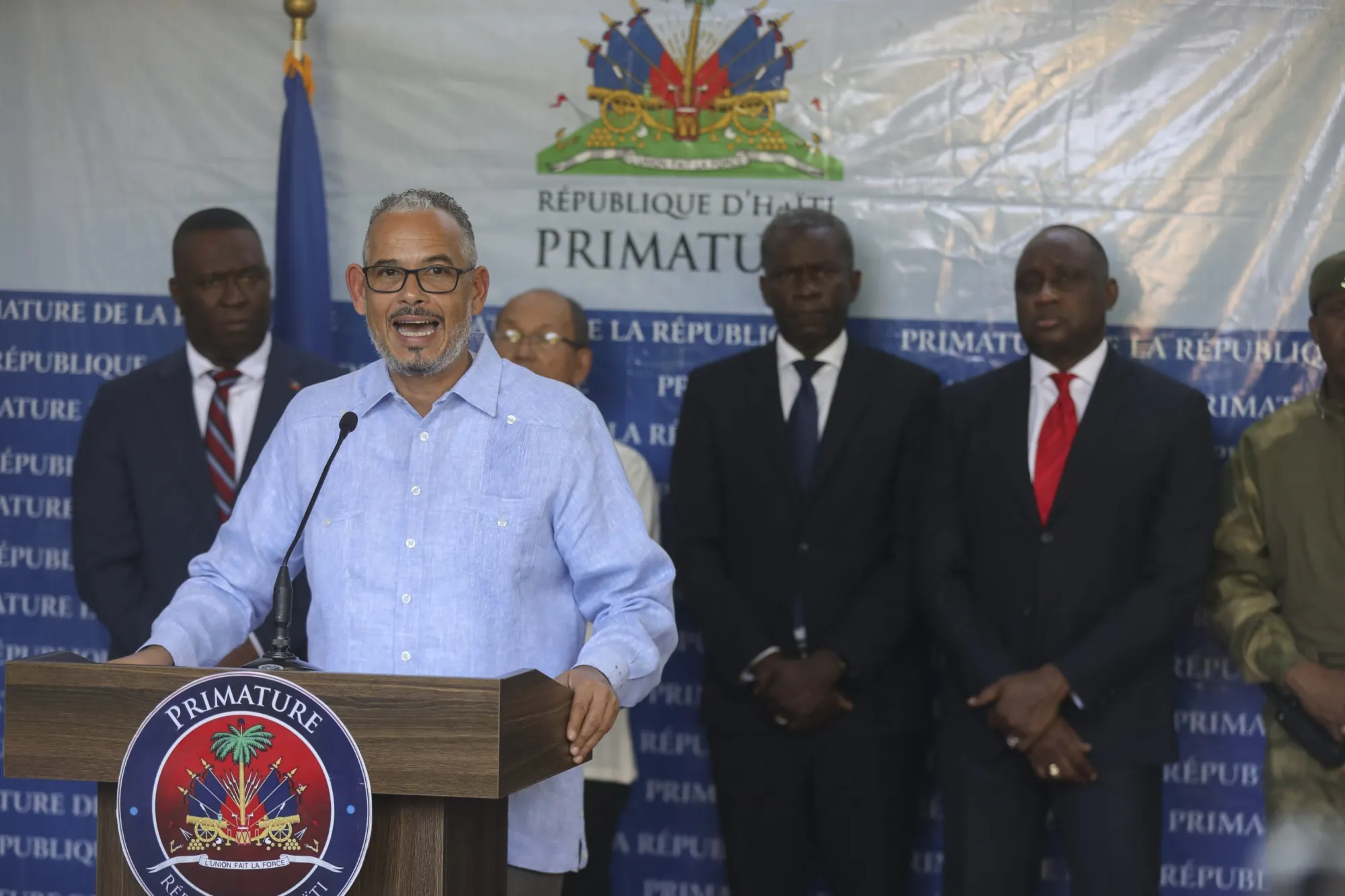
November 20, 2025 – Haiti’s Provisional Electoral Council (CEP) has taken a decisive step toward ending the country’s protracted political crisis, formally proposing August 30, 2026, as the date for the first round of presidential and legislative elections – the first nationwide vote in nearly a decade.
The nine-member council delivered a complete electoral calendar and draft decree to the Transitional Presidential Council and Prime Minister Alix Didier Fils-Aimé’s government last week, laying out an ambitious timeline to simultaneously elect a new president, renew the entire Senate and Chamber of Deputies, and fill thousands of municipal and local posts.
Key Dates in the Proposed Timeline
- Official campaign period: March – late August 2026
- First round (presidential, legislative, municipal, local): August 30, 2026
- Preliminary results: early September 2026
- Final results: early October 2026
- Runoff for president (if needed) and remaining local races: December 6, 2026
- Inauguration of newly elected officials: February 2027
The plan represents the most concrete roadmap yet since the July 2021 assassination of President Jovenel Moïse plunged Haiti into its deepest governance crisis in decades.
CEP president Smith Jean-Louis and other council members have repeatedly stressed that the calendar is conditional. Three non-negotiable requirements must be met:
- Security: Gangs still control large swaths of Port-au-Prince and parts of the Artibonite Valley, making voter registration and polling impossible in many areas without a significant improvement backed by the Kenyan-led Multinational Security Support (MSS) mission.
- Funding: The elections are estimated to cost between $50 million and $70 million, with the bulk expected from international donors. As of now, only a fraction has been pledged.
- Legal framework: The government must quickly publish the electoral decree in Le Moniteur to make the timeline official and allow the CEP to begin voter-roll updates, party accreditation, and other preparations.
The proposed August 2026 first round falls well beyond the current Transitional Presidential Council’s mandate, which expires on February 7, 2026. Without a constitutional amendment or new political accord, Haiti risks sliding into an even deeper legal vacuum when the transition period ends.
Political observers note that extending the transition will require broad consensus – a tall order in a country where distrust between rival factions remains sky-high.
For millions of Haitians enduring nearly five years without elected leadership, the announcement offers the clearest horizon yet for democratic renewal. “This is the first time we have a realistic, detailed calendar on the table,” one senior diplomat in Port-au-Prince told reporters on condition of anonymity. “Now everything depends on political will, money, and – above all – security.”
As the CEP awaits formal approval of its decree, the coming months will determine whether August 30, 2026, becomes a historic turning point or simply the latest in a long string of postponed hopes.
This is a developing story. Updates will be provided as the Transitional Council and government respond to the CEP proposal.