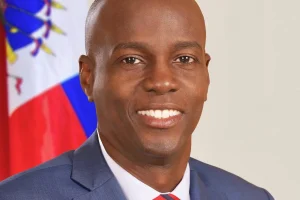






On July 7, 2021, Haitian President Jovenel Moïse was tragically assassinated in his private residence in Port-au-Prince, sending shockwaves throughout Haiti and the international community. The early morning attack, carried out by a group of heavily armed assailants, left President Moïse with fatal gunshot wounds. His wife, First Lady Martine Moïse, was also injured in the attack but survived.
President Moïse, who had been in office since 2017, faced mounting controversy during his presidency, including allegations of corruption and debates over the length of his term. His death left behind a power vacuum, deepening Haiti’s already critical struggles with political instability, gang violence, economic turmoil, and natural disasters.
Investigations into the assassination have revealed a complex and far-reaching conspiracy involving foreign mercenaries, predominantly from Colombia. These developments have continued to raise questions about the motives, facilitators, and masterminds behind the attack—questions that, fo
ur years later, still demand answers.
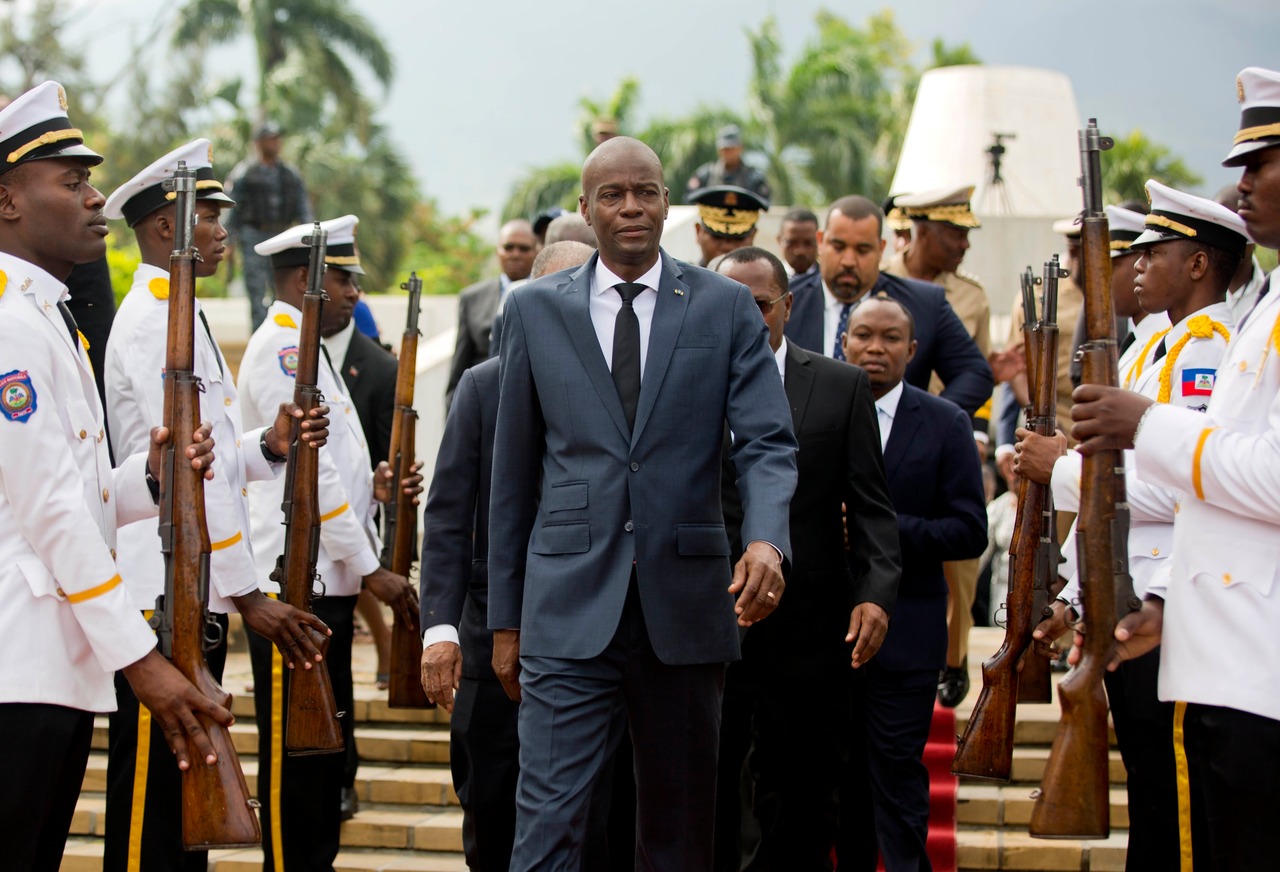
On July 7, 2025, a requiem mass will be held at the National Palace (Champ de Mars) in memory of President Moïse, marking the fourth anniversary of his assassination. The ceremony will be attended by presidential advisors, members of the current administration led by Alix Didier Fils-Aimé, and other senior state officials, as the nation pauses to reflect and honor the late president’s memory.
The assassination of President Jovenel Moïse remains one of the darkest moments in Haiti’s recent history. It underscored the fragility of the nation’s democratic institutions and intensified ca
lls for justice, truth, and long-term stability.
As Haiti continues to navigate its complex path forward, the legacy of July 7, 2021, serves as both a solemn reminder and a call to action for national healing and accountability.