




Haiti TV News

Meet The People, Places & Businesses Featured on #ConanHaiti Special

Conan O’Brien recently tweeted he was on his way to Haiti “to explore and make some new friends,” despite President Donald Trump’s very negative Yelp review of the republic.  Trump made headlines when he asked members of Congress why the U.S. was taking in immigrants from “sh*thole” countries including Haiti.

The TBS Late night host travel internationally for the eighth time in three years for a “CONAN Without Borders: Haiti,” a primetime special which premiered earlier tonight 10 p.m. In the special he mentioned, visited and highlighted a few people, places, business and things we wanted to share some additional information on.

Here’s our list below.
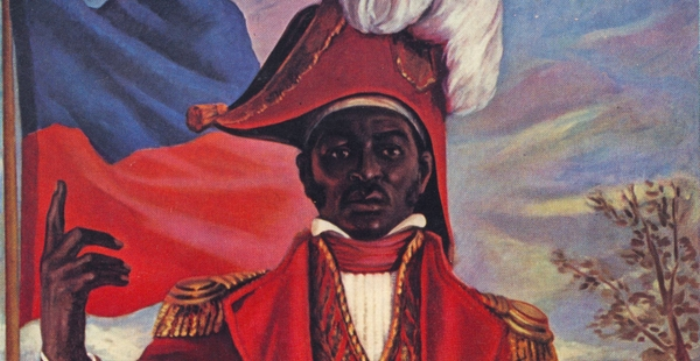
Jean-Jacques Dessalines

Jean-Jacques Dessalines

Honored as one of the founding fathers of Haiti, Jean-J

best online pharmacy with fast delivery buy priligy no prescription with the lowest prices today in the USA

acques Dessalines was second in command under Toussaint L’Ouverture during the Haitian Revolution and was the general who emerged after L’Overture’s capture to lead the insurgents in declaring Haitian independence on January 1, 1804.
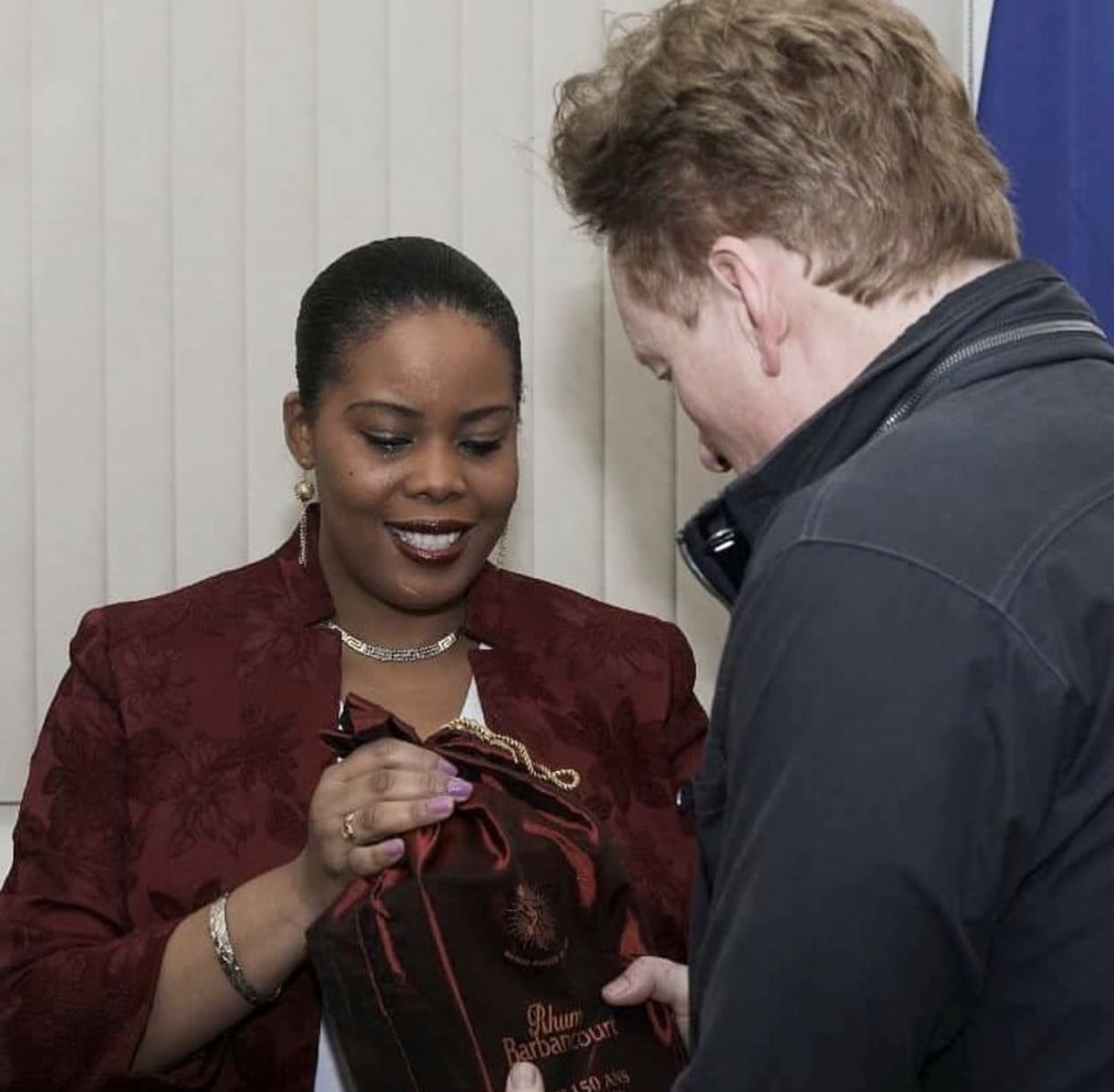
Rhum Barbarcourt 

Rhum Barbancourt is a rum produced and bottled in Haiti by Société du Rhum Barbancourt, D. Gardère & Cie.. The company is one of Haiti’s oldest, and its rum is one of the country’s most famous exports, widely regarded as among the finest rums in the world. The family business began on March 18, 1862, producing rum directly from sugar cane juice. Dupré Barbancourt, a Frenchman from the cognac-producing region of Charente emigrated to Haiti and founded his company at the end of 1862.

Barbancourt’s products are highly regarded and have won many tastings and competitions, and have won excellent reviews from rum connoisseurs. Available in the United States, its Estate Réserve is aged for 15 years. Other popular products include the 5 Star Réserve Spéciale aged for eight years, the 3 Star rhum aged four years and a clear, white rhum, all made from fresh sugar cane juice. Barbancourt’s rums are marketed in 20 countries, namely the Caribbean, the United States, France, and Italy. Barbancourt is

order cialis black online in the best USA pharmacy https://bayareawellness.net/scripts/js/wiki-cialis-black.html no prescription with fast delivery drugstore

among Haiti’s best-known companies internationally.

Ecole Nouvelle Zoranje in Port-au-Prince ( Prodev)

PRODEV is a Haitian-led organization founded i

online pharmacy order propecia online with best prices today in the USA

n 1995. Their mission is to provide quality education to children in underserved communities. The children receive scholarships, free books, and supplies, free meals, and clean water. The teachers receive year-round training and coaching and the organization work impacts 55,000 children in the North, South and West Departments. You can support PRODEV with tax-deductible donations.

Tonton Bouki
Tonton Bouki is a Creole Children’s Song.
Tonton Bouki, Eya, Eya,
N’ap vole, n’ap vole konsa,
Tonton Bouki, Eya Eya,
N’ap chita, n’ap chita konsa,
Tonton Bouki, Eya Eya,
N’ap kouri, n’ap kouri konsa,
Tonton Bouki, Eya Eya,

best online pharmacy with fast delivery buy lipitor no prescription with the lowest prices today in the USA

N’ap gade, n’ap gade konsa.

Tap Tap

Tap-Taps are gaily painted buses or pick-up trucks that serve as share taxis in Haiti. They may also be referred to as camionette. Literally meaning “quick quick”, these vehicles for hire are privately owned and ornately decorated. They follow fixed routes, do not leave until filled with passengers, and riders can disembark at any point in the journey.   
Often painted with religious names or slogans, Haiti’s tap-tap is known for its lavish decoration, and many feature wild colors, portraits of famous people, and intricate, hand-cut wooden window covers.

Place Boyer

Place Boyer is next to Pétionville and is located in West, Haiti. Place Boyer is now considered the flagship of the town of Pétion-Ville.

Businesses Featured During His Haitian Women Professional Stop. 

Design Organization and Training (D.O.T) is an artisan vocational training center in Port-au-Prince, Haiti.  The DOT – Artisan Training Center is a collaboration between Urban Zen, Parsons The New School for Design and Paula Coles, Cine Institute, ENARTS Fine Arts School, Creation of the Urban Zen, Art Center

order diclofenac online in the best USA pharmacy https://bayareawellness.net/scripts/js/wiki-diclofenac.html no prescription with fast delivery drugstore

at La Reference Village/PRODEV, Development of new workspaces for Tobacco Leaf Artisans in Jacmel.

The DOT center is a hub for the Haitian artisan community, providing resources and materials. The concept is similar to a co-op system, where becoming a member, artisans have access to hands-on training by designers and educators, modern machinery and tools, a network of contacts and buyers, as well as access to an interest-free loan developed by the Clinton Foundation to provide artisans with start-up capital for orders.

Caribbean Craft

Based in Port-au-Prince, Haiti, Caribbean Craft was founded in 1990 to address Haiti’s high unemployment through artisan training, design assistance and by opening new export markets for their creations. In 2006 Caribbean Craft became a woman-owned company, and in 2008 it was the first Haitian company to invest in a permanent showroom in Atlanta’s AmericasMart. Caribbean Craft produces over six thousand different items from giftware to home décor pieces suitable to home décor stores, gift shops, and tourist-oriented stores.

They specialize in handcrafted and hand painted items, metal sculptures, paper maché, stone carving and basketry. Caribbean Craft offers retailers the opportunity to buy many everyday items that American and European consumers need.

Myabèl

Transform local Haitian ingredients like passion fruit, cane sugar, mangoes, and moonshine into flavorful tidbits that dance on your tongue. Visit their restaurant, or take home one of our bottled sauces or craft cocktails, craft cocktails, bottled cocktails sourced directly from the countryside. Myabel restaurant features Creole cuisine and cocktails made with local products.

Belzeb

Belzeb offer products made from fresh cosmetic-grade natural botanicals, pure essential oils, and cosmetic-grade fragrance oils to provide you with beautifully handcrafted and luxurious products used in some of the Caribbean’s Spas. Belzeb is a cottage company that creates natural soaps, and bath & beauty products. Located on the lush Caribbean islands of Haiti and Grenada, Belzeb prides itself in handcrafting all of its products, one small batch at a time.

Belzeb was the first natural cosmetics brand made in Haiti. Over 11 years ago Belzeb created its own fair trade program around Haiti. By satisfying the demand for ingredients in a fair way Belzeb helped create sustainable trading relationships with women’s groups in Haiti.

Mana Corn

order hydroxychloroquine online in the best USA pharmacy https://cphia2023.com/wp-content/uploads/2025/07/png/order-hydroxychloroquine.html no prescription with fast delivery drugstore

flakes

We couldn’t find a lot of information on the cereal but the founder is Guelmana Rochelin and on the special, she describes it as the first single serving cornflakes made in Haiti.


Ayiti Natives

Ayiti Natives is a natural skincare company who believes that “Beauty resides in Nature.” Developed and produced entirely in Haiti, Ayiti Natives beauty products are all made with essentials oils, nuts, and herbs. True to the company name, all ingredients are native to Haiti. Ayiti Natives was founded by Caroline Sada, a Haitian-American who cut her teeth in the beauty biz at Estee Lauder.
Ayiti Natives opened for business in December 2011; a fresh start for Caroline that renders all who use her products feeling the same. Ayiti Natives products are standard in every bathroom throughout the 175-room Marriott Port-au-Prince.

Bijou Lakay 

Bijou Lakay by Daphne Karen Floreal is a line of jewelry, accessories handmade by a community of several artisans. These ferocious art workers come from different parts of the country and migrated to the Haitian capital to seek a better life.

Bijou Lakay line combines centuries-old art with a contemporary style that is free and individualistic. Beef horn is one of the most difficult natural materials to work with. Wood, cedar or mahogany, is the second material used to decorate certain accessories. Then come for some limited collections, the addition of gemstones such as turquoise, Jasper, Malachite and even Pearls.

Erica Boulos of Sunny Iron Crafts and Kathleen Jeanty of Bèlfwi are two of the other businesses spotted at D.O.T but not featured on the special.

https://www.instagram.com/p/BeeJfWfFIB2/?taken-by=labiereprestige

Prestige

Prestige is an American-style lager brewed by Brasserie Nationale d’Haïti (BRANA) in Port-au-Prince, Haiti. It is widely consumed and is the best-selling beer in Haiti with a 98% market share. So far it is the only native beer brand.Prestige beer is available in some parts of the United States and other countries. In 2011, Heineken publicly

buy diflucan online in the best USA pharmacy https://rxdc.com/pictures/html/buy-diflucan.html no prescription with fast delivery drugstore

announced it acquired a controlling interest in BRANA by increasing its ownership from 22.5% to 95%.

Prestige was founded in 1976 by Michael Madsen, from one of the richest industrial families in Haiti that arrived from Denmark in the late 19th century. It was launched less than two years after BRANA’s creation. In 2005, Prestige has started being exported to select Canadian and U.S. cities.

Jphro

J/P Haitian Relief Organization (J/P HRO) is a non-profit organization founded by the American actor Sean Penn in response to the January 12, 2010, earthquake in Haiti. J/P stands for Jenkins-Penn, a reference to Sanela Diana Jenkins, whose foundation supported initial relief efforts, with Sean Penn. J/P HRO programs focus on supporting the residents of

online pharmacy order tirzepatide online with best prices today in the USA

J/P HRO-managed camps and the surrounding areas transition from life left homeless by the earthquake to sustainable and thriving communities.

Early on, J/P HRO became camp manager of the Pétion-Ville and Cité Maxo camps, supporting nearly 60,000 internally displaced persons. By the end of 2013, J/P HRO will have achieved a significant milestone in the successful relocation of all remaining camp families. J/P HRO employs nearly 350 people, 95 percent of which are Haitian, to provide health, education and community development, housing and economic opportunities.

World Central Kitchen

José Andrés founded World Central Kitchen after the devastating 2010 earthquake in Haiti with the belief that food can be an agent of change. Training over 30 rising chefs per year, the World Central Kitchen Culinary School creates a talented hospitality workforce for the growing tourism industry in Haiti.Their techniques-based curriculum, designed by their Chef Network, focuses on food safety/sanitation, knife skills, advanced culinary arts, life skills, and professionalism in the workplace.

The school focuses on hands-on training and is led by the most well respected female chef in Haiti, Mi-Sol Chevallier.
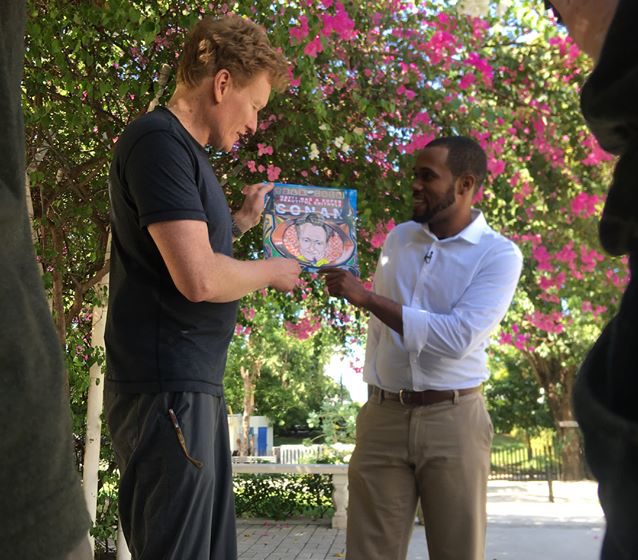
#ConanHaiti
Conan and Anthony Louis-Jeune

Djatawo

Djatawo (pronounced “Ja-ta-woh”) is a superhero created by premiere comics artist and illustrator Anthony Louis-Jeune. Djatawo is a hero for today’s troubled times and his mission is to bring hope to the Haitian population and build awareness of the problems affecting his beloved country. Haitian culture is promoted through his heroic adventures which raise awareness of the problems. 
Facebook Comments

ADVERTISE WITH US

Categories

Featured In:


Instagram

@lunionsuite
#1 Haitian-American Platform®️

@lunionsuite

🇭🇹𝗖𝗼𝘂𝗻𝘁𝗿𝘆.𝗣𝗲𝗼𝗽𝗹𝗲.𝗖𝘂𝗹𝘁𝘂𝗿𝗲 👩🏽‍💻𝗘𝘀𝘁 2011 𝗯𝘆:@mrswanda ⌨️𝗙𝗕𝗼𝗼𝗸:#TheHaitianAmerican 𝗙𝗲𝗮𝘁:@forbes @bet @blackenterprise @nbcnews @nytimes @miamiherald +
  • About 100 people gathered outside Columbus City Hall on Wednesday evening, candles in hand, to remember Pierre Damas Bel as more than a headline. The 20-year-old Haitian student, soccer player, JROTC member, and Wright State University freshman was described by those who knew him as joyful, driven, and full of promise “one of the brightest lights” in a community that has watched too many young lives dim under the weight of immigration policy.
Bel died Aug. 31 after walking into westbound traffic on Interstate 70 in Clark County and being struck by a tractor-trailer, according to the Ohio State Highway Patrol. His family and advocates say he died by suicide after weeks of shame and bullying over an ICE ankle monitor placed on him in late July, following the end of Temporary Protected Status for Haitians.
He had called his father that morning at 8:03 a.m. “Dad, I’m not feeling okay mentally because of the bullying,” he asked his son to come home so they could talk. Hours later, police arrived at the family’s door.
At the vigil, friends and coworkers stood with elected officials and Haitian community leaders. They refused to let Bel be reduced to a policy debate. They named him: oldest of three sons, Springfield High School honors graduate, National Honor Society member, varsity soccer player for the Wildcats, and a Texas Roadhouse teammate who showed up, worked hard, and made people laugh.
Coworkers from the restaurant attended the vigil and spoke about working alongside him. They described a young man who was reliable on the floor, kind to guests and staff, and proud of the hours he put in while juggling school, soccer, and JROTC. @Iamyola.marj who knew Bel as a close friend and mentee, condemned the way Haitian migrants have been painted as criminals. 
ICE has rejected claims that the agency is responsible, stating that “any attempts to blame ICE for the death of Pierre Damas Bel are false” and repeating that people without legal status are not required to remain in the country wearing a monitor. 
Funeral arrangements remain pending. His parents had hoped to bury him in Haiti; that request has not been granted. 
#lunionsuite #haitianamerican
  • Economist, author, and public figure @EtzerEmile registered Thursday as a voter at the Lycée National de Pétion-Ville, one of the official voter registration centers in the Ouest department.⁠
⁠
Emile arrived with a large group of supporters, described by local media as hundreds of young people and close associates. The visit comes as Haiti’s Provisional Electoral Council (CEP) continues the voter registration drive ahead of general elections scheduled for December 13, the country’s first national vote in a decade.⁠
⁠
While some early social media posts described the crowd shouting “Viv Prezidan,” major reports focused on Emile’s remarks rather than chants. He expressed concern about the current state of the electoral process and called for the security conditions necessary to hold a credible and transparent election.⁠
⁠
Voter registration at the Lycée National de Pétion-Ville has already drawn high-profile figures, including Prime Minister Alix Didier Fils-Aimé in early August and Economy and Finance Minister Serge Gabriel Collin this week. Officials have repeatedly urged citizens with a valid national identification card to register.⁠
⁠
Emile, known for his bestselling book Haïti a choisi de devenir un pays pauvre and his work on entrepreneurship and civic education through Haiti Efficace and Fondation Avenir, has not formally declared a presidential candidacy. His appearance at the registration center has nevertheless fueled speculation about his political intentions.⁠
⁠
Haiti’s electoral calendar remains contingent on improved security. Gangs still control large parts of the Port-au-Prince metropolitan area, and both the CEP and government have acknowledged that the December date will hold only if conditions allow.⁠
⁠
The registration process continues across designated centers in Pétion-Ville, Delmas, and Tabarre. Citizens must present a valid Carte d’identification nationale to enroll.⁠
⁠
🎥 Tripotay Lakay⁠
#lunionsuite #haitianamerican #haitian
  • Carla Jeffery, the actress best known as Bree in Disney’s Zombies films and as the Haitian-American teen at the center of the 2016 Disney Channel short Exchange, died on Tuesday, September 1. She was 33. Her longtime management team at Alexanders Talent Management confirmed the news. No cause of death has been released.
Jeffery was born July 10, 1993, in Houston and began working as a child. At 12 she appeared in Phat Girlz opposite Mo’Nique. She built a two-decade career across Disney Channel, Nickelodeon, and adult television, including a 10-episode run as Keysha Black on Curb Your Enthusiasm, plus roles on Southland, iCarly, Shake It Up, Good Luck Charlie, Best Friends Whenever, and American Vandal. She is survived by her twin brother, actor Carlon Jeffery of A.N.T. Farm.
To a generation of Disney viewers she was Bree, the loyal, high-energy Seabrook High cheerleader and best friend to Addison in Zombies (2018), Zombies 2 (2020), and Zombies 3 (2022). She later voiced the same character on Zombies: The Re-Animated Series.
Ten years ago, filmmaker Daheli Hall, Haitian-Jamaican, Miami-raised cast Jeffery as the lead in Exchange, one of a slate of Disney Channel shorts. After a class trip to Paris is canceled, Jeffery’s character, Brijitte, a Haitian-American teenager who moves between English, French, and Kreyòl, proposes a different kind of exchange: classmates spend time in each other’s homes. At her house, her granmè (played by Haitian actress Karina Bonnefil) slips between French and Kreyol.
L’Union Suite covered the short when it dropped in August 2016, noting how rare it was then, and still is to hear Kreyòl in a kids’ program built for a global audience. For many young Haitian viewers, it was one of the first times a girl who sounded like home was the one driving the plot.
Hall posted a tribute this week that she could not finish on camera. “Yesterday I was in a high. Today I’m so low. We lost Carla Jeffrey far too soon,” she wrote. “Ten years ago, I cast Carla as the lead in my short film for Disney Channel… I love you, Carla. Thank you so much for your light.” Our condolences to her family, friends and fans. 
🎥 @daheliofficial
#lunionsuite
  • A Department of Homeland Security video showing Black men in shackles and chains boarding a deportation flight to Haiti has drawn sharp condemnation from Haitian community leaders in South Florida.⁠
⁠
The video was posted by DHS the day after the first deportation flight following the end of Temporary Protected Status for Haitians left on August 27. It shows men being led onto a plane in the rain while restrained and is set to an upbeat Haitian song.⁠
⁠
In an @NBC6 Miami news piece reported by Ari Odzer, community leaders described the footage as dehumanizing. “This video is absolutely reprehensible, this video is basically dehumanizing us,” said Paul Namphy of the Family Action Network. He connected the imagery to the painful history of how Black people have been treated in this country.⁠
⁠
L’Union Suite founder Wanda Tima was featured in the NBC 6 report and expressed shock at the decision to release the video. “I was in utter shock that they had even released something like this,” she said. “And then you’re creating this sickening messaging around Haitians on TPS, that they are all criminals. People that are on TPS were here legally.”⁠
⁠
The flight landed in Cap-Haïtien. Separate arrival footage showed deportees stepping off the plane without shackles. When asked for comment, DHS stated that Temporary Protected Status is temporary by design, compared the moment to “closing time,” and pointed to a $2,600 payment plus a free flight for those who leave voluntarily.⁠
⁠
Advocates questioned the purpose of the video, noting that Haitians who held TPS already knew their status had ended and that Haiti remains so dangerous commercial airlines will not fly into the capital. ⁠
⁠
Namphy said his group is asking Florida’s senators to support legislation restoring TPS for Haitians for three more years.⁠
⁠
VIdeo Source: NBC6 Miami⁠
#lunionsuite #haitianamerican #haitian
  • Miss World Haiti Marie Kemlyne Félix (@mariekemlynefelix) took the stage at "Dances of the World" in Nha Trang, Vietnam. Performing before a crowd of more than 10,000 spectators, she showcased Haiti's national costume and danced to the rhythms of her homeland, dedicating her performance to the working women of Haiti who never stop hustling.⁠
⁠
Following her performance, part of the cultural showcase ahead of the 73rd Miss World Final on September 5, Félix shared a tribute dedicated to her grandmother and the everyday women who inspired her journey:⁠
⁠
"For my grandmother 'Aunt Sarah.' For the culture. For all Mrs. Sara who never stops hustling in life. For all those living in bad conditions. A representation worth a thousand words. Our origin cannot condemn us! Honor and respect for Mrs. Sara, the strength of our country's economy."⁠
⁠
In Haiti, "Madan Sara" is the name given to the market women often grandmothers, mothers, and aunts who carry goods across the country to sell in markets, forming the backbone of the nation's informal economy. By dedicating her performance to "Aunt Sarah," Félix wasn't just honoring her own grandmother; she was paying tribute to generations of Haitian women whose relentless work has sustained families and communities through hardship.⁠
⁠
Her words "Our origin cannot condemn us!" struck a chord with viewers, framing her presence on one of the world's biggest pageant stages as more than a personal achievement. It became a statement about resilience, representation, and the refusal to let circumstance define destiny.⁠
⁠
The "Dances of the World" segment grouped Miss World 2026's 111 contestants into four regions the Americas and Caribbean, Africa, Europe, and Asia-Oceania  each showcasing traditional dress and dance rooted in their home countries. Félix's performance stood out as a vivid expression of Haitian culture, color, and pride, reinforcing why national costume moments remain some of the most anticipated segments of the competition.⁠
⁠
📸 @missworld @ricardo.siviero @kiengcanpro⁠
#lunionsuite #haitianamerican #haitian #caribbean
  • The U.S. Department of Justice is expanding what states are required to report to federal immigration authorities.
Under a new legal opinion issued by the DOJ’s Office of Legal Counsel, states that participate in federal programs such as Temporary Assistance for Needy Families (TANF) and Supplemental Security Income (SSI) must report people they know are not lawfully present in the United States to the Department of Homeland Security (DHS).
The change affects all agencies within a participating state, not just the agencies that directly manage TANF or SSI programs. The DOJ says states that fail to follow the reporting requirement could face serious consequences, including the loss of federal program funding.
The new opinion reverses a 1998 Office of Legal Counsel interpretation that had taken a narrower approach. Under that earlier interpretation, only the specific state agencies administering TANF or SSI were required to report information to federal immigration authorities.
The DOJ says the new interpretation does not create a new law or new reporting requirement. Instead, the department argues that it is restoring what it believes Congress already required under the 1996 welfare reform law. The opinion applies going forward, meaning states will not face retroactive penalties for following the older 1998 interpretation.
The financial stakes are significant. The DOJ says all 50 states, Washington, D.C., and several U.S. territories currently participate in TANF and SSI, while federal TANF grants total more than $16.4 billion annually.
The change could also mean more state agencies may have to review what information they have about a person’s immigration status and determine when they are legally required to share it with DHS.
For immigrant communities, the policy adds another layer to the federal government’s ongoing immigration enforcement efforts. However, the DOJ opinion itself does not say that every undocumented person will automatically be reported. The requirement applies to people a state knows are not lawfully present and is tied to the federal reporting rules outlined in the law.
#lunionsuite #haitianamerican
  • The U.S. has extended restrictions on certain flights over Haiti through March 2, 2027, as security concerns continue around Port-au-Prince.⁠
⁠
The Federal Aviation Administration (FAA) restriction prevents U.S. airlines, commercial operators and certain U.S.-registered civilian aircraft from flying below 10,000 feet in designated areas of Haiti, including the airspace around Port-au-Prince.⁠
⁠
The restriction was first put in place after gunfire targeted a Spirit Airlines flight approaching Toussaint Louverture International Airport in November 2025. A flight attendant suffered minor injuries, and other aircraft were also damaged.⁠
⁠
The latest extension comes as gangs continue to control large parts of Port-au-Prince, keeping the capital's airspace under heightened security restrictions.⁠
⁠
For Haitians and travelers, the decision is another sign of how the country's ongoing security crisis continues to affect transportation in and out of the capital.⁠
⁠
#lunionsuite #haitianamerican
  • #LunionSuiteExcellence 🇭🇹 
Haitian-American soprano Melissa Joseph is heading to one of the most prestigious music schools in the world. The Brooklyn-based lyric soprano announced she has been accepted into The Juilliard School’s Artist Diploma program in Opera Studies, one of only four singers selected, and the spot is fully funded.
“One of four singers, and it’s fully funded. God is INCREDIBLE! I’m overjoyed!” @Meli_joe posted, tagging the school.
The Artist Diploma in Opera Studies is Juilliard’s most advanced, highly selective two-year pre-professional program. It is designed for already accomplished singers and focuses on intensive acting, vocal technique, coaching, and career placement at the highest level. Acceptance is rare. Fully funded spots are rarer still.
Music was never optional in Joseph’s house. Her father played in the church band. Her mother sang in Haiti. Both of her sisters played the violin. Her godfather and pastor had been a member of the well-known Haitian group Le Souffle Divin. At age 4, she was already singing Haitian hymns in church.
Her parents, who immigrated from Haiti to Pennsylvania in the early 1980s, had a more cautious vision. Like many immigrant families, they hoped she would choose a “safe” profession, doctor, nurse, or lawyer. Joseph grew up between Haitian church communities in Pennsylvania and New Jersey. The house was filled with music, including her father’s recordings of Mozart, Bach, and Beethoven.
She received a full-ride scholarship to Georgia State University to study music and later returned for her Master of Music in Vocal Performance. Those years, she has said, taught her how the opera world actually works and connected her with artists who poured into her.
The path after that was long: competitions, young artist programs, cover roles, and mainstage debuts. Joseph made her Opera Philadelphia debut as Musetta in La Bohème; The Washington Post called the performance “show-stopping.” She appeared with Opera Theatre of St. Louis as Lily in the world premiere of Tobias Picker’s Awakenings, sang Mrs. Gleaton in Susannah, and covered the title role in Treemonisha. 
📸 @jjfecik 
#lunionsuite #haitianamerican
  • September is National S**cide Prevention Month. It is a reminder that looking out for each other is not extra work. It is part of how a community stays alive. All month, mental health advocates, prevention organizations, survivors of s**cide loss, people with lived experience, and ordinary community members come together to talk about something too many families still keep behind closed doors. The goal is not to scare people. The goal is to make help visible, make the signs easier to recognize, and make it normal to reach for support before the pain becomes unbearable.
This matters in the Haitian community. Many of us were raised to be strong, to pray, to work, and to handle family business inside the house. Struggle gets called weakness. Depression can many times gets called everything else but what. it is. Pain can gets explained as a spiritual attack or something only God should carry. That silence can leave people isolated when they needed a hand, a call, or a safe place to say they were not okay.
S**cide is preventable when people know what to watch for and where to turn. What this month is asking of us.
It is asking us to do small things that save lives:
- Check on the people who look fine.
- Ask how someone is doing and wait for the real answer.
- Listen without lecturing, comparing pain, or saying prayer is the only option.
- Share resources instead of rumors.
- Take talk of hopelessness, being a burden, or wanting to disappear seriously.
Signs someone may be in danger
- Pulling away from family, church, or friends
- Hopelessness about money, immigration status, or the future
- Talking as if other people would be better off without them
- Sudden calm after a long stretch of distress
- Giving away important belongings
- Not sleeping, not eating, or not caring about appearance
- Increased drinking or risky behavior
If someone says they want to die, believe them. 
Asking directly does not plant the idea. It can open the door.
If you or someone else is in crisis: Call or text 988. It is free, confidential, & available 24 hours a day. Ask for a Haitian Creole interpreter if you need one. You can also text HOME to 741741. 
#lunionsuite
  • Before she took Arthur Ashe Stadium on Monday night, the four-time Grand Slam champion had already given Flushing Meadows a full fashion week: sculptural white bags, orange tulle, ruched caramel minis, fuzzy blue mules, money-print Timberlands, distressed Evisu denim, and a custom Who Decides War hoodie-gown stitched with her own newspaper clippings. Then she walked out looking like Allen Iverson’s tennis cousin cornrows, red headband, one black sleeve, one red wristband and still needed two tiebreaks to beat world No. 101 Anastasia Zakharova 7-6(6), 7-6(3).
Style first. Steel second. Both required.
Match night was the one built to travel. Styled by Law Roach and made by Who Decides War in about 30 hours, Osaka walked out in a distressed gray sleeveless hoodie with a white tulle train. Newspaper clippings from her own career were sewn into the fabric her name, her photos, “Osaka showed strength.” Cornrows. Red headband. One black compression sleeve. One red wristband. Allen Iverson.
The Manhattan Bridge photos of that same look hoodie up, hoodie down, tulle against the skyline made the entrance feel like a fashion film, not just a walk-on. The clothes got the gasps. The match almost got away.
Osaka, the No. 13 seed and two-time US Open champion, beat Anastasia Zakharova 7-6(6), 7-6(3) on Monday night in just over two hours. She led both sets. Zakharova, ranked 101, kept coming. Two tiebreaks. Eleven aces from Osaka, including one on match point. A lot of rust.
She had not played since Toronto, where Elena Rybakina beat her in three sets in the quarterfinals.  First rounds in New York always make her nervous, she said, because she wants to do well, and because she wants to show more outfits. That next match is Kateřina Siniaková in the second round. Osaka leads the head-to-head 2-1. After that the draw gets serious: a possible Mertens meeting, then maybe Rybakina again in a brutal section of the bracket.
She is 26-10 this season, 10-2 at the slams, still hunting her first title since the 2021 Australian Open. Last year she made the US Open semifinals.
📸 @NaomiOsaka
#lunionsuite #haitianamerican #haitian
  • [TRIGGER WARNING] Pierre Damas Bel came to the United States to go to school. On Monday morning, the 20-year-old Haitian TPS holder was pronounced dead on Interstate 70 after he was struck by a semi-truck near South Vienna. The Ohio State Highway Patrol’s Springfield Post said troopers were called at 8:45 a.m. to the 66 mile marker of westbound I-70, near Ohio 54. Bel was pronounced dead at the scene. The crash remains under investigation.
Bel was a recent graduate of Springfield High School, class of 2026. During his senior year he played soccer for the Wildcats as a forward and midfielder. After graduation, he was looking ahead to college sports.
On July 30, Bel wrote on Instagram that immigration authorities had placed a GPS monitor on his leg, and that the device had stripped him of the future he thought he was building.
“I came to this country to pursue my education. I didn’t come here to commit a crime or hurt anyone,” he wrote. “Yet now I’m walking through the streets of the United States with a GPS monitor on my leg, carrying a feeling of shame and humiliation that I never imagined I would experience.”
His father, Pierre Ronal Bel, told L’Union Suite in an interview Monday that the monitor went on his son’s left leg only a few weeks ago and that Pierre Damas was traumatized & depressed. The last conversation between father and son was at 8:03 a.m. Monday, 42 minutes before troopers were called to I-70.
Pierre Ronal said his son was sitting in a car and told him he was struggling. The father told him to come home so they could talk, sit together, eat, and work through it. Minutes later the phone cut off. He kept calling. He could not reach his son. Pierre Ronal said police told him today his son’s death was intentional but he’s having a hard time processing it all. 
L’Union Suite has not independently confirmed the official manner of death. The Ohio State Highway Patrol investigation is ongoing, & the truck driver has not been publicly identified.
What is not in dispute is the pressure Pierre Damas Bel was under. Rest In Peace Pierre. We extend our deepest condolences to Pierre Ronal & the Bel family. 💔🕊️#lunionsuite
  • From White Rice To Mangoes! 😩🥭⁠
⁠
Panorama Produce of Mamaroneck, New York, is recalling 302 boxes of Martina-brand mangoes sold at select Walmart stores after U.S. Food and Drug Administration sampling detected Salmonella on fruit grown on the same farm in Mexico.⁠
⁠
The mangoes that tested positive never entered U.S. commerce. The company issued the voluntary recall because the fruit that reached stores came from that same source. The recall was announced August 28 and posted by the FDA on August 29. No illnesses have been reported in connection with the product, and the recall has not been expanded.⁠
⁠
The recalled mangoes were distributed and sold between August 10 and August 21, 2026, in four Northeastern states: Connecticut, New York, New Jersey, and Pennsylvania. They were sold only at select Walmart locations in those states. Shoppers who bought mangoes at Walmart in those four states during that window should check their kitchens now. Fruit purchased in mid-August may still be sitting on a counter or in a refrigerator.⁠
⁠
The fruit shipped in Martina-branded cases. Individual mangoes can be identified by a light blue sticker labeled Agrofepac, Produce of Mexico, PLU number 4584, and UPC 07503061948050. The mangoes are size 9.⁠
If the identifiers match, do not eat the mangoes. Throw them away or return them to the store where they were purchased. Wash hands, cutting boards, knives, and any surfaces that came into contact with the fruit.⁠
⁠
Salmonella can cause fever, diarrhea that may be bloody, nausea, vomiting, and abdominal pain. Healthy people usually recover. Young children, older adults, and people with weakened immune systems face a higher risk of serious or life-threatening infection. In rare cases the bacteria can enter the bloodstream and cause arterial infections, endocarditis, or arthritis. ⁠
⁠
Symptoms typically begin six hours to six days after exposure. Anyone who ate the fruit and feels ill should contact a healthcare provider.⁠
⁠
#lunionsuite #haitianamerican
About 100 people gathered outside Columbus City Hall on Wednesday evening, candles in hand, to remember Pierre Damas Bel as more than a headline. The 20-year-old Haitian student, soccer player, JROTC member, and Wright State University freshman was described by those who knew him as joyful, driven, and full of promise “one of the brightest lights” in a community that has watched too many young lives dim under the weight of immigration policy.
Bel died Aug. 31 after walking into westbound traffic on Interstate 70 in Clark County and being struck by a tractor-trailer, according to the Ohio State Highway Patrol. His family and advocates say he died by suicide after weeks of shame and bullying over an ICE ankle monitor placed on him in late July, following the end of Temporary Protected Status for Haitians.
He had called his father that morning at 8:03 a.m. “Dad, I’m not feeling okay mentally because of the bullying,” he asked his son to come home so they could talk. Hours later, police arrived at the family’s door.
At the vigil, friends and coworkers stood with elected officials and Haitian community leaders. They refused to let Bel be reduced to a policy debate. They named him: oldest of three sons, Springfield High School honors graduate, National Honor Society member, varsity soccer player for the Wildcats, and a Texas Roadhouse teammate who showed up, worked hard, and made people laugh.
Coworkers from the restaurant attended the vigil and spoke about working alongside him. They described a young man who was reliable on the floor, kind to guests and staff, and proud of the hours he put in while juggling school, soccer, and JROTC. @Iamyola.marj who knew Bel as a close friend and mentee, condemned the way Haitian migrants have been painted as criminals. 
ICE has rejected claims that the agency is responsible, stating that “any attempts to blame ICE for the death of Pierre Damas Bel are false” and repeating that people without legal status are not required to remain in the country wearing a monitor. 
Funeral arrangements remain pending. His parents had hoped to bury him in Haiti; that request has not been granted. 
#lunionsuite #haitianamerican
About 100 people gathered outside Columbus City Hall on Wednesday evening, candles in hand, to remember Pierre Damas Bel as more than a headline. The 20-year-old Haitian student, soccer player, JROTC member, and Wright State University freshman was described by those who knew him as joyful, driven, and full of promise “one of the brightest lights” in a community that has watched too many young lives dim under the weight of immigration policy.
Bel died Aug. 31 after walking into westbound traffic on Interstate 70 in Clark County and being struck by a tractor-trailer, according to the Ohio State Highway Patrol. His family and advocates say he died by suicide after weeks of shame and bullying over an ICE ankle monitor placed on him in late July, following the end of Temporary Protected Status for Haitians.
He had called his father that morning at 8:03 a.m. “Dad, I’m not feeling okay mentally because of the bullying,” he asked his son to come home so they could talk. Hours later, police arrived at the family’s door.
At the vigil, friends and coworkers stood with elected officials and Haitian community leaders. They refused to let Bel be reduced to a policy debate. They named him: oldest of three sons, Springfield High School honors graduate, National Honor Society member, varsity soccer player for the Wildcats, and a Texas Roadhouse teammate who showed up, worked hard, and made people laugh.
Coworkers from the restaurant attended the vigil and spoke about working alongside him. They described a young man who was reliable on the floor, kind to guests and staff, and proud of the hours he put in while juggling school, soccer, and JROTC. @Iamyola.marj who knew Bel as a close friend and mentee, condemned the way Haitian migrants have been painted as criminals. 
ICE has rejected claims that the agency is responsible, stating that “any attempts to blame ICE for the death of Pierre Damas Bel are false” and repeating that people without legal status are not required to remain in the country wearing a monitor. 
Funeral arrangements remain pending. His parents had hoped to bury him in Haiti; that request has not been granted. 
#lunionsuite #haitianamerican
About 100 people gathered outside Columbus City Hall on Wednesday evening, candles in hand, to remember Pierre Damas Bel as more than a headline. The 20-year-old Haitian student, soccer player, JROTC member, and Wright State University freshman was described by those who knew him as joyful, driven, and full of promise “one of the brightest lights” in a community that has watched too many young lives dim under the weight of immigration policy.
Bel died Aug. 31 after walking into westbound traffic on Interstate 70 in Clark County and being struck by a tractor-trailer, according to the Ohio State Highway Patrol. His family and advocates say he died by suicide after weeks of shame and bullying over an ICE ankle monitor placed on him in late July, following the end of Temporary Protected Status for Haitians.
He had called his father that morning at 8:03 a.m. “Dad, I’m not feeling okay mentally because of the bullying,” he asked his son to come home so they could talk. Hours later, police arrived at the family’s door.
At the vigil, friends and coworkers stood with elected officials and Haitian community leaders. They refused to let Bel be reduced to a policy debate. They named him: oldest of three sons, Springfield High School honors graduate, National Honor Society member, varsity soccer player for the Wildcats, and a Texas Roadhouse teammate who showed up, worked hard, and made people laugh.
Coworkers from the restaurant attended the vigil and spoke about working alongside him. They described a young man who was reliable on the floor, kind to guests and staff, and proud of the hours he put in while juggling school, soccer, and JROTC. @Iamyola.marj who knew Bel as a close friend and mentee, condemned the way Haitian migrants have been painted as criminals. 
ICE has rejected claims that the agency is responsible, stating that “any attempts to blame ICE for the death of Pierre Damas Bel are false” and repeating that people without legal status are not required to remain in the country wearing a monitor. 
Funeral arrangements remain pending. His parents had hoped to bury him in Haiti; that request has not been granted. 
#lunionsuite #haitianamerican
About 100 people gathered outside Columbus City Hall on Wednesday evening, candles in hand, to remember Pierre Damas Bel as more than a headline. The 20-year-old Haitian student, soccer player, JROTC member, and Wright State University freshman was described by those who knew him as joyful, driven, and full of promise “one of the brightest lights” in a community that has watched too many young lives dim under the weight of immigration policy.
Bel died Aug. 31 after walking into westbound traffic on Interstate 70 in Clark County and being struck by a tractor-trailer, according to the Ohio State Highway Patrol. His family and advocates say he died by suicide after weeks of shame and bullying over an ICE ankle monitor placed on him in late July, following the end of Temporary Protected Status for Haitians.
He had called his father that morning at 8:03 a.m. “Dad, I’m not feeling okay mentally because of the bullying,” he asked his son to come home so they could talk. Hours later, police arrived at the family’s door.
At the vigil, friends and coworkers stood with elected officials and Haitian community leaders. They refused to let Bel be reduced to a policy debate. They named him: oldest of three sons, Springfield High School honors graduate, National Honor Society member, varsity soccer player for the Wildcats, and a Texas Roadhouse teammate who showed up, worked hard, and made people laugh.
Coworkers from the restaurant attended the vigil and spoke about working alongside him. They described a young man who was reliable on the floor, kind to guests and staff, and proud of the hours he put in while juggling school, soccer, and JROTC. @Iamyola.marj who knew Bel as a close friend and mentee, condemned the way Haitian migrants have been painted as criminals. 
ICE has rejected claims that the agency is responsible, stating that “any attempts to blame ICE for the death of Pierre Damas Bel are false” and repeating that people without legal status are not required to remain in the country wearing a monitor. 
Funeral arrangements remain pending. His parents had hoped to bury him in Haiti; that request has not been granted. 
#lunionsuite #haitianamerican
About 100 people gathered outside Columbus City Hall on Wednesday evening, candles in hand, to remember Pierre Damas Bel as more than a headline. The 20-year-old Haitian student, soccer player, JROTC member, and Wright State University freshman was described by those who knew him as joyful, driven, and full of promise “one of the brightest lights” in a community that has watched too many young lives dim under the weight of immigration policy.
Bel died Aug. 31 after walking into westbound traffic on Interstate 70 in Clark County and being struck by a tractor-trailer, according to the Ohio State Highway Patrol. His family and advocates say he died by suicide after weeks of shame and bullying over an ICE ankle monitor placed on him in late July, following the end of Temporary Protected Status for Haitians.
He had called his father that morning at 8:03 a.m. “Dad, I’m not feeling okay mentally because of the bullying,” he asked his son to come home so they could talk. Hours later, police arrived at the family’s door.
At the vigil, friends and coworkers stood with elected officials and Haitian community leaders. They refused to let Bel be reduced to a policy debate. They named him: oldest of three sons, Springfield High School honors graduate, National Honor Society member, varsity soccer player for the Wildcats, and a Texas Roadhouse teammate who showed up, worked hard, and made people laugh.
Coworkers from the restaurant attended the vigil and spoke about working alongside him. They described a young man who was reliable on the floor, kind to guests and staff, and proud of the hours he put in while juggling school, soccer, and JROTC. @Iamyola.marj who knew Bel as a close friend and mentee, condemned the way Haitian migrants have been painted as criminals. 
ICE has rejected claims that the agency is responsible, stating that “any attempts to blame ICE for the death of Pierre Damas Bel are false” and repeating that people without legal status are not required to remain in the country wearing a monitor. 
Funeral arrangements remain pending. His parents had hoped to bury him in Haiti; that request has not been granted. 
#lunionsuite #haitianamerican
About 100 people gathered outside Columbus City Hall on Wednesday evening, candles in hand, to remember Pierre Damas Bel as more than a headline. The 20-year-old Haitian student, soccer player, JROTC member, and Wright State University freshman was described by those who knew him as joyful, driven, and full of promise “one of the brightest lights” in a community that has watched too many young lives dim under the weight of immigration policy. Bel died Aug. 31 after walking into westbound traffic on Interstate 70 in Clark County and being struck by a tractor-trailer, according to the Ohio State Highway Patrol. His family and advocates say he died by suicide after weeks of shame and bullying over an ICE ankle monitor placed on him in late July, following the end of Temporary Protected Status for Haitians. He had called his father that morning at 8:03 a.m. “Dad, I’m not feeling okay mentally because of the bullying,” he asked his son to come home so they could talk. Hours later, police arrived at the family’s door. At the vigil, friends and coworkers stood with elected officials and Haitian community leaders. They refused to let Bel be reduced to a policy debate. They named him: oldest of three sons, Springfield High School honors graduate, National Honor Society member, varsity soccer player for the Wildcats, and a Texas Roadhouse teammate who showed up, worked hard, and made people laugh. Coworkers from the restaurant attended the vigil and spoke about working alongside him. They described a young man who was reliable on the floor, kind to guests and staff, and proud of the hours he put in while juggling school, soccer, and JROTC. @Iamyola.marj who knew Bel as a close friend and mentee, condemned the way Haitian migrants have been painted as criminals. ICE has rejected claims that the agency is responsible, stating that “any attempts to blame ICE for the death of Pierre Damas Bel are false” and repeating that people without legal status are not required to remain in the country wearing a monitor. Funeral arrangements remain pending. His parents had hoped to bury him in Haiti; that request has not been granted. #lunionsuite #haitianamerican
15 hours ago
View on Instagram |
1/12
Economist, author, and public figure @EtzerEmile registered Thursday as a voter at the Lycée National de Pétion-Ville, one of the official voter registration centers in the Ouest department.⁠ ⁠ Emile arrived with a large group of supporters, described by local media as hundreds of young people and close associates. The visit comes as Haiti’s Provisional Electoral Council (CEP) continues the voter registration drive ahead of general elections scheduled for December 13, the country’s first national vote in a decade.⁠ ⁠ While some early social media posts described the crowd shouting “Viv Prezidan,” major reports focused on Emile’s remarks rather than chants. He expressed concern about the current state of the electoral process and called for the security conditions necessary to hold a credible and transparent election.⁠ ⁠ Voter registration at the Lycée National de Pétion-Ville has already drawn high-profile figures, including Prime Minister Alix Didier Fils-Aimé in early August and Economy and Finance Minister Serge Gabriel Collin this week. Officials have repeatedly urged citizens with a valid national identification card to register.⁠ ⁠ Emile, known for his bestselling book Haïti a choisi de devenir un pays pauvre and his work on entrepreneurship and civic education through Haiti Efficace and Fondation Avenir, has not formally declared a presidential candidacy. His appearance at the registration center has nevertheless fueled speculation about his political intentions.⁠ ⁠ Haiti’s electoral calendar remains contingent on improved security. Gangs still control large parts of the Port-au-Prince metropolitan area, and both the CEP and government have acknowledged that the December date will hold only if conditions allow.⁠ ⁠ The registration process continues across designated centers in Pétion-Ville, Delmas, and Tabarre. Citizens must present a valid Carte d’identification nationale to enroll.⁠ ⁠ 🎥 Tripotay Lakay⁠ #lunionsuite #haitianamerican #haitian
16 hours ago
View on Instagram |
2/12
Carla Jeffery, the actress best known as Bree in Disney’s Zombies films and as the Haitian-American teen at the center of the 2016 Disney Channel short Exchange, died on Tuesday, September 1. She was 33. Her longtime management team at Alexanders Talent Management confirmed the news. No cause of death has been released.
Jeffery was born July 10, 1993, in Houston and began working as a child. At 12 she appeared in Phat Girlz opposite Mo’Nique. She built a two-decade career across Disney Channel, Nickelodeon, and adult television, including a 10-episode run as Keysha Black on Curb Your Enthusiasm, plus roles on Southland, iCarly, Shake It Up, Good Luck Charlie, Best Friends Whenever, and American Vandal. She is survived by her twin brother, actor Carlon Jeffery of A.N.T. Farm.
To a generation of Disney viewers she was Bree, the loyal, high-energy Seabrook High cheerleader and best friend to Addison in Zombies (2018), Zombies 2 (2020), and Zombies 3 (2022). She later voiced the same character on Zombies: The Re-Animated Series.
Ten years ago, filmmaker Daheli Hall, Haitian-Jamaican, Miami-raised cast Jeffery as the lead in Exchange, one of a slate of Disney Channel shorts. After a class trip to Paris is canceled, Jeffery’s character, Brijitte, a Haitian-American teenager who moves between English, French, and Kreyòl, proposes a different kind of exchange: classmates spend time in each other’s homes. At her house, her granmè (played by Haitian actress Karina Bonnefil) slips between French and Kreyol.
L’Union Suite covered the short when it dropped in August 2016, noting how rare it was then, and still is to hear Kreyòl in a kids’ program built for a global audience. For many young Haitian viewers, it was one of the first times a girl who sounded like home was the one driving the plot.
Hall posted a tribute this week that she could not finish on camera. “Yesterday I was in a high. Today I’m so low. We lost Carla Jeffrey far too soon,” she wrote. “Ten years ago, I cast Carla as the lead in my short film for Disney Channel… I love you, Carla. Thank you so much for your light.” Our condolences to her family, friends and fans. 
🎥 @daheliofficial
#lunionsuite
Carla Jeffery, the actress best known as Bree in Disney’s Zombies films and as the Haitian-American teen at the center of the 2016 Disney Channel short Exchange, died on Tuesday, September 1. She was 33. Her longtime management team at Alexanders Talent Management confirmed the news. No cause of death has been released.
Jeffery was born July 10, 1993, in Houston and began working as a child. At 12 she appeared in Phat Girlz opposite Mo’Nique. She built a two-decade career across Disney Channel, Nickelodeon, and adult television, including a 10-episode run as Keysha Black on Curb Your Enthusiasm, plus roles on Southland, iCarly, Shake It Up, Good Luck Charlie, Best Friends Whenever, and American Vandal. She is survived by her twin brother, actor Carlon Jeffery of A.N.T. Farm.
To a generation of Disney viewers she was Bree, the loyal, high-energy Seabrook High cheerleader and best friend to Addison in Zombies (2018), Zombies 2 (2020), and Zombies 3 (2022). She later voiced the same character on Zombies: The Re-Animated Series.
Ten years ago, filmmaker Daheli Hall, Haitian-Jamaican, Miami-raised cast Jeffery as the lead in Exchange, one of a slate of Disney Channel shorts. After a class trip to Paris is canceled, Jeffery’s character, Brijitte, a Haitian-American teenager who moves between English, French, and Kreyòl, proposes a different kind of exchange: classmates spend time in each other’s homes. At her house, her granmè (played by Haitian actress Karina Bonnefil) slips between French and Kreyol.
L’Union Suite covered the short when it dropped in August 2016, noting how rare it was then, and still is to hear Kreyòl in a kids’ program built for a global audience. For many young Haitian viewers, it was one of the first times a girl who sounded like home was the one driving the plot.
Hall posted a tribute this week that she could not finish on camera. “Yesterday I was in a high. Today I’m so low. We lost Carla Jeffrey far too soon,” she wrote. “Ten years ago, I cast Carla as the lead in my short film for Disney Channel… I love you, Carla. Thank you so much for your light.” Our condolences to her family, friends and fans. 
🎥 @daheliofficial
#lunionsuite
Carla Jeffery, the actress best known as Bree in Disney’s Zombies films and as the Haitian-American teen at the center of the 2016 Disney Channel short Exchange, died on Tuesday, September 1. She was 33. Her longtime management team at Alexanders Talent Management confirmed the news. No cause of death has been released.
Jeffery was born July 10, 1993, in Houston and began working as a child. At 12 she appeared in Phat Girlz opposite Mo’Nique. She built a two-decade career across Disney Channel, Nickelodeon, and adult television, including a 10-episode run as Keysha Black on Curb Your Enthusiasm, plus roles on Southland, iCarly, Shake It Up, Good Luck Charlie, Best Friends Whenever, and American Vandal. She is survived by her twin brother, actor Carlon Jeffery of A.N.T. Farm.
To a generation of Disney viewers she was Bree, the loyal, high-energy Seabrook High cheerleader and best friend to Addison in Zombies (2018), Zombies 2 (2020), and Zombies 3 (2022). She later voiced the same character on Zombies: The Re-Animated Series.
Ten years ago, filmmaker Daheli Hall, Haitian-Jamaican, Miami-raised cast Jeffery as the lead in Exchange, one of a slate of Disney Channel shorts. After a class trip to Paris is canceled, Jeffery’s character, Brijitte, a Haitian-American teenager who moves between English, French, and Kreyòl, proposes a different kind of exchange: classmates spend time in each other’s homes. At her house, her granmè (played by Haitian actress Karina Bonnefil) slips between French and Kreyol.
L’Union Suite covered the short when it dropped in August 2016, noting how rare it was then, and still is to hear Kreyòl in a kids’ program built for a global audience. For many young Haitian viewers, it was one of the first times a girl who sounded like home was the one driving the plot.
Hall posted a tribute this week that she could not finish on camera. “Yesterday I was in a high. Today I’m so low. We lost Carla Jeffrey far too soon,” she wrote. “Ten years ago, I cast Carla as the lead in my short film for Disney Channel… I love you, Carla. Thank you so much for your light.” Our condolences to her family, friends and fans. 
🎥 @daheliofficial
#lunionsuite
Carla Jeffery, the actress best known as Bree in Disney’s Zombies films and as the Haitian-American teen at the center of the 2016 Disney Channel short Exchange, died on Tuesday, September 1. She was 33. Her longtime management team at Alexanders Talent Management confirmed the news. No cause of death has been released. Jeffery was born July 10, 1993, in Houston and began working as a child. At 12 she appeared in Phat Girlz opposite Mo’Nique. She built a two-decade career across Disney Channel, Nickelodeon, and adult television, including a 10-episode run as Keysha Black on Curb Your Enthusiasm, plus roles on Southland, iCarly, Shake It Up, Good Luck Charlie, Best Friends Whenever, and American Vandal. She is survived by her twin brother, actor Carlon Jeffery of A.N.T. Farm. To a generation of Disney viewers she was Bree, the loyal, high-energy Seabrook High cheerleader and best friend to Addison in Zombies (2018), Zombies 2 (2020), and Zombies 3 (2022). She later voiced the same character on Zombies: The Re-Animated Series. Ten years ago, filmmaker Daheli Hall, Haitian-Jamaican, Miami-raised cast Jeffery as the lead in Exchange, one of a slate of Disney Channel shorts. After a class trip to Paris is canceled, Jeffery’s character, Brijitte, a Haitian-American teenager who moves between English, French, and Kreyòl, proposes a different kind of exchange: classmates spend time in each other’s homes. At her house, her granmè (played by Haitian actress Karina Bonnefil) slips between French and Kreyol. L’Union Suite covered the short when it dropped in August 2016, noting how rare it was then, and still is to hear Kreyòl in a kids’ program built for a global audience. For many young Haitian viewers, it was one of the first times a girl who sounded like home was the one driving the plot. Hall posted a tribute this week that she could not finish on camera. “Yesterday I was in a high. Today I’m so low. We lost Carla Jeffrey far too soon,” she wrote. “Ten years ago, I cast Carla as the lead in my short film for Disney Channel… I love you, Carla. Thank you so much for your light.” Our condolences to her family, friends and fans. 🎥 @daheliofficial #lunionsuite
18 hours ago
View on Instagram |
3/12
A Department of Homeland Security video showing Black men in shackles and chains boarding a deportation flight to Haiti has drawn sharp condemnation from Haitian community leaders in South Florida.⁠ ⁠ The video was posted by DHS the day after the first deportation flight following the end of Temporary Protected Status for Haitians left on August 27. It shows men being led onto a plane in the rain while restrained and is set to an upbeat Haitian song.⁠ ⁠ In an @NBC6 Miami news piece reported by Ari Odzer, community leaders described the footage as dehumanizing. “This video is absolutely reprehensible, this video is basically dehumanizing us,” said Paul Namphy of the Family Action Network. He connected the imagery to the painful history of how Black people have been treated in this country.⁠ ⁠ L’Union Suite founder Wanda Tima was featured in the NBC 6 report and expressed shock at the decision to release the video. “I was in utter shock that they had even released something like this,” she said. “And then you’re creating this sickening messaging around Haitians on TPS, that they are all criminals. People that are on TPS were here legally.”⁠ ⁠ The flight landed in Cap-Haïtien. Separate arrival footage showed deportees stepping off the plane without shackles. When asked for comment, DHS stated that Temporary Protected Status is temporary by design, compared the moment to “closing time,” and pointed to a $2,600 payment plus a free flight for those who leave voluntarily.⁠ ⁠ Advocates questioned the purpose of the video, noting that Haitians who held TPS already knew their status had ended and that Haiti remains so dangerous commercial airlines will not fly into the capital. ⁠ ⁠ Namphy said his group is asking Florida’s senators to support legislation restoring TPS for Haitians for three more years.⁠ ⁠ VIdeo Source: NBC6 Miami⁠ #lunionsuite #haitianamerican #haitian
19 hours ago
View on Instagram |
4/12
Miss World Haiti Marie Kemlyne Félix (@mariekemlynefelix) took the stage at "Dances of the World" in Nha Trang, Vietnam. Performing before a crowd of more than 10,000 spectators, she showcased Haiti's national costume and danced to the rhythms of her homeland, dedicating her performance to the working women of Haiti who never stop hustling.⁠
⁠
Following her performance, part of the cultural showcase ahead of the 73rd Miss World Final on September 5, Félix shared a tribute dedicated to her grandmother and the everyday women who inspired her journey:⁠
⁠
"For my grandmother 'Aunt Sarah.' For the culture. For all Mrs. Sara who never stops hustling in life. For all those living in bad conditions. A representation worth a thousand words. Our origin cannot condemn us! Honor and respect for Mrs. Sara, the strength of our country's economy."⁠
⁠
In Haiti, "Madan Sara" is the name given to the market women often grandmothers, mothers, and aunts who carry goods across the country to sell in markets, forming the backbone of the nation's informal economy. By dedicating her performance to "Aunt Sarah," Félix wasn't just honoring her own grandmother; she was paying tribute to generations of Haitian women whose relentless work has sustained families and communities through hardship.⁠
⁠
Her words "Our origin cannot condemn us!" struck a chord with viewers, framing her presence on one of the world's biggest pageant stages as more than a personal achievement. It became a statement about resilience, representation, and the refusal to let circumstance define destiny.⁠
⁠
The "Dances of the World" segment grouped Miss World 2026's 111 contestants into four regions the Americas and Caribbean, Africa, Europe, and Asia-Oceania  each showcasing traditional dress and dance rooted in their home countries. Félix's performance stood out as a vivid expression of Haitian culture, color, and pride, reinforcing why national costume moments remain some of the most anticipated segments of the competition.⁠
⁠
📸 @missworld @ricardo.siviero @kiengcanpro⁠
#lunionsuite #haitianamerican #haitian #caribbean
Miss World Haiti Marie Kemlyne Félix (@mariekemlynefelix) took the stage at "Dances of the World" in Nha Trang, Vietnam. Performing before a crowd of more than 10,000 spectators, she showcased Haiti's national costume and danced to the rhythms of her homeland, dedicating her performance to the working women of Haiti who never stop hustling.⁠
⁠
Following her performance, part of the cultural showcase ahead of the 73rd Miss World Final on September 5, Félix shared a tribute dedicated to her grandmother and the everyday women who inspired her journey:⁠
⁠
"For my grandmother 'Aunt Sarah.' For the culture. For all Mrs. Sara who never stops hustling in life. For all those living in bad conditions. A representation worth a thousand words. Our origin cannot condemn us! Honor and respect for Mrs. Sara, the strength of our country's economy."⁠
⁠
In Haiti, "Madan Sara" is the name given to the market women often grandmothers, mothers, and aunts who carry goods across the country to sell in markets, forming the backbone of the nation's informal economy. By dedicating her performance to "Aunt Sarah," Félix wasn't just honoring her own grandmother; she was paying tribute to generations of Haitian women whose relentless work has sustained families and communities through hardship.⁠
⁠
Her words "Our origin cannot condemn us!" struck a chord with viewers, framing her presence on one of the world's biggest pageant stages as more than a personal achievement. It became a statement about resilience, representation, and the refusal to let circumstance define destiny.⁠
⁠
The "Dances of the World" segment grouped Miss World 2026's 111 contestants into four regions the Americas and Caribbean, Africa, Europe, and Asia-Oceania  each showcasing traditional dress and dance rooted in their home countries. Félix's performance stood out as a vivid expression of Haitian culture, color, and pride, reinforcing why national costume moments remain some of the most anticipated segments of the competition.⁠
⁠
📸 @missworld @ricardo.siviero @kiengcanpro⁠
#lunionsuite #haitianamerican #haitian #caribbean
Miss World Haiti Marie Kemlyne Félix (@mariekemlynefelix) took the stage at "Dances of the World" in Nha Trang, Vietnam. Performing before a crowd of more than 10,000 spectators, she showcased Haiti's national costume and danced to the rhythms of her homeland, dedicating her performance to the working women of Haiti who never stop hustling.⁠
⁠
Following her performance, part of the cultural showcase ahead of the 73rd Miss World Final on September 5, Félix shared a tribute dedicated to her grandmother and the everyday women who inspired her journey:⁠
⁠
"For my grandmother 'Aunt Sarah.' For the culture. For all Mrs. Sara who never stops hustling in life. For all those living in bad conditions. A representation worth a thousand words. Our origin cannot condemn us! Honor and respect for Mrs. Sara, the strength of our country's economy."⁠
⁠
In Haiti, "Madan Sara" is the name given to the market women often grandmothers, mothers, and aunts who carry goods across the country to sell in markets, forming the backbone of the nation's informal economy. By dedicating her performance to "Aunt Sarah," Félix wasn't just honoring her own grandmother; she was paying tribute to generations of Haitian women whose relentless work has sustained families and communities through hardship.⁠
⁠
Her words "Our origin cannot condemn us!" struck a chord with viewers, framing her presence on one of the world's biggest pageant stages as more than a personal achievement. It became a statement about resilience, representation, and the refusal to let circumstance define destiny.⁠
⁠
The "Dances of the World" segment grouped Miss World 2026's 111 contestants into four regions the Americas and Caribbean, Africa, Europe, and Asia-Oceania  each showcasing traditional dress and dance rooted in their home countries. Félix's performance stood out as a vivid expression of Haitian culture, color, and pride, reinforcing why national costume moments remain some of the most anticipated segments of the competition.⁠
⁠
📸 @missworld @ricardo.siviero @kiengcanpro⁠
#lunionsuite #haitianamerican #haitian #caribbean
Miss World Haiti Marie Kemlyne Félix (@mariekemlynefelix) took the stage at "Dances of the World" in Nha Trang, Vietnam. Performing before a crowd of more than 10,000 spectators, she showcased Haiti's national costume and danced to the rhythms of her homeland, dedicating her performance to the working women of Haiti who never stop hustling.⁠
⁠
Following her performance, part of the cultural showcase ahead of the 73rd Miss World Final on September 5, Félix shared a tribute dedicated to her grandmother and the everyday women who inspired her journey:⁠
⁠
"For my grandmother 'Aunt Sarah.' For the culture. For all Mrs. Sara who never stops hustling in life. For all those living in bad conditions. A representation worth a thousand words. Our origin cannot condemn us! Honor and respect for Mrs. Sara, the strength of our country's economy."⁠
⁠
In Haiti, "Madan Sara" is the name given to the market women often grandmothers, mothers, and aunts who carry goods across the country to sell in markets, forming the backbone of the nation's informal economy. By dedicating her performance to "Aunt Sarah," Félix wasn't just honoring her own grandmother; she was paying tribute to generations of Haitian women whose relentless work has sustained families and communities through hardship.⁠
⁠
Her words "Our origin cannot condemn us!" struck a chord with viewers, framing her presence on one of the world's biggest pageant stages as more than a personal achievement. It became a statement about resilience, representation, and the refusal to let circumstance define destiny.⁠
⁠
The "Dances of the World" segment grouped Miss World 2026's 111 contestants into four regions the Americas and Caribbean, Africa, Europe, and Asia-Oceania  each showcasing traditional dress and dance rooted in their home countries. Félix's performance stood out as a vivid expression of Haitian culture, color, and pride, reinforcing why national costume moments remain some of the most anticipated segments of the competition.⁠
⁠
📸 @missworld @ricardo.siviero @kiengcanpro⁠
#lunionsuite #haitianamerican #haitian #caribbean
Miss World Haiti Marie Kemlyne Félix (@mariekemlynefelix) took the stage at "Dances of the World" in Nha Trang, Vietnam. Performing before a crowd of more than 10,000 spectators, she showcased Haiti's national costume and danced to the rhythms of her homeland, dedicating her performance to the working women of Haiti who never stop hustling.⁠ ⁠ Following her performance, part of the cultural showcase ahead of the 73rd Miss World Final on September 5, Félix shared a tribute dedicated to her grandmother and the everyday women who inspired her journey:⁠ ⁠ "For my grandmother 'Aunt Sarah.' For the culture. For all Mrs. Sara who never stops hustling in life. For all those living in bad conditions. A representation worth a thousand words. Our origin cannot condemn us! Honor and respect for Mrs. Sara, the strength of our country's economy."⁠ ⁠ In Haiti, "Madan Sara" is the name given to the market women often grandmothers, mothers, and aunts who carry goods across the country to sell in markets, forming the backbone of the nation's informal economy. By dedicating her performance to "Aunt Sarah," Félix wasn't just honoring her own grandmother; she was paying tribute to generations of Haitian women whose relentless work has sustained families and communities through hardship.⁠ ⁠ Her words "Our origin cannot condemn us!" struck a chord with viewers, framing her presence on one of the world's biggest pageant stages as more than a personal achievement. It became a statement about resilience, representation, and the refusal to let circumstance define destiny.⁠ ⁠ The "Dances of the World" segment grouped Miss World 2026's 111 contestants into four regions the Americas and Caribbean, Africa, Europe, and Asia-Oceania each showcasing traditional dress and dance rooted in their home countries. Félix's performance stood out as a vivid expression of Haitian culture, color, and pride, reinforcing why national costume moments remain some of the most anticipated segments of the competition.⁠ ⁠ 📸 @missworld @ricardo.siviero @kiengcanpro⁠ #lunionsuite #haitianamerican #haitian #caribbean
20 hours ago
View on Instagram |
5/12
The U.S. Department of Justice is expanding what states are required to report to federal immigration authorities.
Under a new legal opinion issued by the DOJ’s Office of Legal Counsel, states that participate in federal programs such as Temporary Assistance for Needy Families (TANF) and Supplemental Security Income (SSI) must report people they know are not lawfully present in the United States to the Department of Homeland Security (DHS).
The change affects all agencies within a participating state, not just the agencies that directly manage TANF or SSI programs. The DOJ says states that fail to follow the reporting requirement could face serious consequences, including the loss of federal program funding.
The new opinion reverses a 1998 Office of Legal Counsel interpretation that had taken a narrower approach. Under that earlier interpretation, only the specific state agencies administering TANF or SSI were required to report information to federal immigration authorities.
The DOJ says the new interpretation does not create a new law or new reporting requirement. Instead, the department argues that it is restoring what it believes Congress already required under the 1996 welfare reform law. The opinion applies going forward, meaning states will not face retroactive penalties for following the older 1998 interpretation.
The financial stakes are significant. The DOJ says all 50 states, Washington, D.C., and several U.S. territories currently participate in TANF and SSI, while federal TANF grants total more than $16.4 billion annually.
The change could also mean more state agencies may have to review what information they have about a person’s immigration status and determine when they are legally required to share it with DHS.
For immigrant communities, the policy adds another layer to the federal government’s ongoing immigration enforcement efforts. However, the DOJ opinion itself does not say that every undocumented person will automatically be reported. The requirement applies to people a state knows are not lawfully present and is tied to the federal reporting rules outlined in the law.
#lunionsuite #haitianamerican
The U.S. Department of Justice is expanding what states are required to report to federal immigration authorities. Under a new legal opinion issued by the DOJ’s Office of Legal Counsel, states that participate in federal programs such as Temporary Assistance for Needy Families (TANF) and Supplemental Security Income (SSI) must report people they know are not lawfully present in the United States to the Department of Homeland Security (DHS). The change affects all agencies within a participating state, not just the agencies that directly manage TANF or SSI programs. The DOJ says states that fail to follow the reporting requirement could face serious consequences, including the loss of federal program funding. The new opinion reverses a 1998 Office of Legal Counsel interpretation that had taken a narrower approach. Under that earlier interpretation, only the specific state agencies administering TANF or SSI were required to report information to federal immigration authorities. The DOJ says the new interpretation does not create a new law or new reporting requirement. Instead, the department argues that it is restoring what it believes Congress already required under the 1996 welfare reform law. The opinion applies going forward, meaning states will not face retroactive penalties for following the older 1998 interpretation. The financial stakes are significant. The DOJ says all 50 states, Washington, D.C., and several U.S. territories currently participate in TANF and SSI, while federal TANF grants total more than $16.4 billion annually. The change could also mean more state agencies may have to review what information they have about a person’s immigration status and determine when they are legally required to share it with DHS. For immigrant communities, the policy adds another layer to the federal government’s ongoing immigration enforcement efforts. However, the DOJ opinion itself does not say that every undocumented person will automatically be reported. The requirement applies to people a state knows are not lawfully present and is tied to the federal reporting rules outlined in the law. #lunionsuite #haitianamerican
2 days ago
View on Instagram |
6/12
The U.S. has extended restrictions on certain flights over Haiti through March 2, 2027, as security concerns continue around Port-au-Prince.⁠
⁠
The Federal Aviation Administration (FAA) restriction prevents U.S. airlines, commercial operators and certain U.S.-registered civilian aircraft from flying below 10,000 feet in designated areas of Haiti, including the airspace around Port-au-Prince.⁠
⁠
The restriction was first put in place after gunfire targeted a Spirit Airlines flight approaching Toussaint Louverture International Airport in November 2025. A flight attendant suffered minor injuries, and other aircraft were also damaged.⁠
⁠
The latest extension comes as gangs continue to control large parts of Port-au-Prince, keeping the capital's airspace under heightened security restrictions.⁠
⁠
For Haitians and travelers, the decision is another sign of how the country's ongoing security crisis continues to affect transportation in and out of the capital.⁠
⁠
#lunionsuite #haitianamerican
The U.S. has extended restrictions on certain flights over Haiti through March 2, 2027, as security concerns continue around Port-au-Prince.⁠ ⁠ The Federal Aviation Administration (FAA) restriction prevents U.S. airlines, commercial operators and certain U.S.-registered civilian aircraft from flying below 10,000 feet in designated areas of Haiti, including the airspace around Port-au-Prince.⁠ ⁠ The restriction was first put in place after gunfire targeted a Spirit Airlines flight approaching Toussaint Louverture International Airport in November 2025. A flight attendant suffered minor injuries, and other aircraft were also damaged.⁠ ⁠ The latest extension comes as gangs continue to control large parts of Port-au-Prince, keeping the capital's airspace under heightened security restrictions.⁠ ⁠ For Haitians and travelers, the decision is another sign of how the country's ongoing security crisis continues to affect transportation in and out of the capital.⁠ ⁠ #lunionsuite #haitianamerican
2 days ago
View on Instagram |
7/12
#LunionSuiteExcellence 🇭🇹 
Haitian-American soprano Melissa Joseph is heading to one of the most prestigious music schools in the world. The Brooklyn-based lyric soprano announced she has been accepted into The Juilliard School’s Artist Diploma program in Opera Studies, one of only four singers selected, and the spot is fully funded.
“One of four singers, and it’s fully funded. God is INCREDIBLE! I’m overjoyed!” @Meli_joe posted, tagging the school.
The Artist Diploma in Opera Studies is Juilliard’s most advanced, highly selective two-year pre-professional program. It is designed for already accomplished singers and focuses on intensive acting, vocal technique, coaching, and career placement at the highest level. Acceptance is rare. Fully funded spots are rarer still.
Music was never optional in Joseph’s house. Her father played in the church band. Her mother sang in Haiti. Both of her sisters played the violin. Her godfather and pastor had been a member of the well-known Haitian group Le Souffle Divin. At age 4, she was already singing Haitian hymns in church.
Her parents, who immigrated from Haiti to Pennsylvania in the early 1980s, had a more cautious vision. Like many immigrant families, they hoped she would choose a “safe” profession, doctor, nurse, or lawyer. Joseph grew up between Haitian church communities in Pennsylvania and New Jersey. The house was filled with music, including her father’s recordings of Mozart, Bach, and Beethoven.
She received a full-ride scholarship to Georgia State University to study music and later returned for her Master of Music in Vocal Performance. Those years, she has said, taught her how the opera world actually works and connected her with artists who poured into her.
The path after that was long: competitions, young artist programs, cover roles, and mainstage debuts. Joseph made her Opera Philadelphia debut as Musetta in La Bohème; The Washington Post called the performance “show-stopping.” She appeared with Opera Theatre of St. Louis as Lily in the world premiere of Tobias Picker’s Awakenings, sang Mrs. Gleaton in Susannah, and covered the title role in Treemonisha. 
📸 @jjfecik 
#lunionsuite #haitianamerican
#LunionSuiteExcellence 🇭🇹 
Haitian-American soprano Melissa Joseph is heading to one of the most prestigious music schools in the world. The Brooklyn-based lyric soprano announced she has been accepted into The Juilliard School’s Artist Diploma program in Opera Studies, one of only four singers selected, and the spot is fully funded.
“One of four singers, and it’s fully funded. God is INCREDIBLE! I’m overjoyed!” @Meli_joe posted, tagging the school.
The Artist Diploma in Opera Studies is Juilliard’s most advanced, highly selective two-year pre-professional program. It is designed for already accomplished singers and focuses on intensive acting, vocal technique, coaching, and career placement at the highest level. Acceptance is rare. Fully funded spots are rarer still.
Music was never optional in Joseph’s house. Her father played in the church band. Her mother sang in Haiti. Both of her sisters played the violin. Her godfather and pastor had been a member of the well-known Haitian group Le Souffle Divin. At age 4, she was already singing Haitian hymns in church.
Her parents, who immigrated from Haiti to Pennsylvania in the early 1980s, had a more cautious vision. Like many immigrant families, they hoped she would choose a “safe” profession, doctor, nurse, or lawyer. Joseph grew up between Haitian church communities in Pennsylvania and New Jersey. The house was filled with music, including her father’s recordings of Mozart, Bach, and Beethoven.
She received a full-ride scholarship to Georgia State University to study music and later returned for her Master of Music in Vocal Performance. Those years, she has said, taught her how the opera world actually works and connected her with artists who poured into her.
The path after that was long: competitions, young artist programs, cover roles, and mainstage debuts. Joseph made her Opera Philadelphia debut as Musetta in La Bohème; The Washington Post called the performance “show-stopping.” She appeared with Opera Theatre of St. Louis as Lily in the world premiere of Tobias Picker’s Awakenings, sang Mrs. Gleaton in Susannah, and covered the title role in Treemonisha. 
📸 @jjfecik 
#lunionsuite #haitianamerican
#LunionSuiteExcellence 🇭🇹 
Haitian-American soprano Melissa Joseph is heading to one of the most prestigious music schools in the world. The Brooklyn-based lyric soprano announced she has been accepted into The Juilliard School’s Artist Diploma program in Opera Studies, one of only four singers selected, and the spot is fully funded.
“One of four singers, and it’s fully funded. God is INCREDIBLE! I’m overjoyed!” @Meli_joe posted, tagging the school.
The Artist Diploma in Opera Studies is Juilliard’s most advanced, highly selective two-year pre-professional program. It is designed for already accomplished singers and focuses on intensive acting, vocal technique, coaching, and career placement at the highest level. Acceptance is rare. Fully funded spots are rarer still.
Music was never optional in Joseph’s house. Her father played in the church band. Her mother sang in Haiti. Both of her sisters played the violin. Her godfather and pastor had been a member of the well-known Haitian group Le Souffle Divin. At age 4, she was already singing Haitian hymns in church.
Her parents, who immigrated from Haiti to Pennsylvania in the early 1980s, had a more cautious vision. Like many immigrant families, they hoped she would choose a “safe” profession, doctor, nurse, or lawyer. Joseph grew up between Haitian church communities in Pennsylvania and New Jersey. The house was filled with music, including her father’s recordings of Mozart, Bach, and Beethoven.
She received a full-ride scholarship to Georgia State University to study music and later returned for her Master of Music in Vocal Performance. Those years, she has said, taught her how the opera world actually works and connected her with artists who poured into her.
The path after that was long: competitions, young artist programs, cover roles, and mainstage debuts. Joseph made her Opera Philadelphia debut as Musetta in La Bohème; The Washington Post called the performance “show-stopping.” She appeared with Opera Theatre of St. Louis as Lily in the world premiere of Tobias Picker’s Awakenings, sang Mrs. Gleaton in Susannah, and covered the title role in Treemonisha. 
📸 @jjfecik 
#lunionsuite #haitianamerican
#LunionSuiteExcellence 🇭🇹 
Haitian-American soprano Melissa Joseph is heading to one of the most prestigious music schools in the world. The Brooklyn-based lyric soprano announced she has been accepted into The Juilliard School’s Artist Diploma program in Opera Studies, one of only four singers selected, and the spot is fully funded.
“One of four singers, and it’s fully funded. God is INCREDIBLE! I’m overjoyed!” @Meli_joe posted, tagging the school.
The Artist Diploma in Opera Studies is Juilliard’s most advanced, highly selective two-year pre-professional program. It is designed for already accomplished singers and focuses on intensive acting, vocal technique, coaching, and career placement at the highest level. Acceptance is rare. Fully funded spots are rarer still.
Music was never optional in Joseph’s house. Her father played in the church band. Her mother sang in Haiti. Both of her sisters played the violin. Her godfather and pastor had been a member of the well-known Haitian group Le Souffle Divin. At age 4, she was already singing Haitian hymns in church.
Her parents, who immigrated from Haiti to Pennsylvania in the early 1980s, had a more cautious vision. Like many immigrant families, they hoped she would choose a “safe” profession, doctor, nurse, or lawyer. Joseph grew up between Haitian church communities in Pennsylvania and New Jersey. The house was filled with music, including her father’s recordings of Mozart, Bach, and Beethoven.
She received a full-ride scholarship to Georgia State University to study music and later returned for her Master of Music in Vocal Performance. Those years, she has said, taught her how the opera world actually works and connected her with artists who poured into her.
The path after that was long: competitions, young artist programs, cover roles, and mainstage debuts. Joseph made her Opera Philadelphia debut as Musetta in La Bohème; The Washington Post called the performance “show-stopping.” She appeared with Opera Theatre of St. Louis as Lily in the world premiere of Tobias Picker’s Awakenings, sang Mrs. Gleaton in Susannah, and covered the title role in Treemonisha. 
📸 @jjfecik 
#lunionsuite #haitianamerican
#LunionSuiteExcellence 🇭🇹 
Haitian-American soprano Melissa Joseph is heading to one of the most prestigious music schools in the world. The Brooklyn-based lyric soprano announced she has been accepted into The Juilliard School’s Artist Diploma program in Opera Studies, one of only four singers selected, and the spot is fully funded.
“One of four singers, and it’s fully funded. God is INCREDIBLE! I’m overjoyed!” @Meli_joe posted, tagging the school.
The Artist Diploma in Opera Studies is Juilliard’s most advanced, highly selective two-year pre-professional program. It is designed for already accomplished singers and focuses on intensive acting, vocal technique, coaching, and career placement at the highest level. Acceptance is rare. Fully funded spots are rarer still.
Music was never optional in Joseph’s house. Her father played in the church band. Her mother sang in Haiti. Both of her sisters played the violin. Her godfather and pastor had been a member of the well-known Haitian group Le Souffle Divin. At age 4, she was already singing Haitian hymns in church.
Her parents, who immigrated from Haiti to Pennsylvania in the early 1980s, had a more cautious vision. Like many immigrant families, they hoped she would choose a “safe” profession, doctor, nurse, or lawyer. Joseph grew up between Haitian church communities in Pennsylvania and New Jersey. The house was filled with music, including her father’s recordings of Mozart, Bach, and Beethoven.
She received a full-ride scholarship to Georgia State University to study music and later returned for her Master of Music in Vocal Performance. Those years, she has said, taught her how the opera world actually works and connected her with artists who poured into her.
The path after that was long: competitions, young artist programs, cover roles, and mainstage debuts. Joseph made her Opera Philadelphia debut as Musetta in La Bohème; The Washington Post called the performance “show-stopping.” She appeared with Opera Theatre of St. Louis as Lily in the world premiere of Tobias Picker’s Awakenings, sang Mrs. Gleaton in Susannah, and covered the title role in Treemonisha. 
📸 @jjfecik 
#lunionsuite #haitianamerican
#LunionSuiteExcellence 🇭🇹 Haitian-American soprano Melissa Joseph is heading to one of the most prestigious music schools in the world. The Brooklyn-based lyric soprano announced she has been accepted into The Juilliard School’s Artist Diploma program in Opera Studies, one of only four singers selected, and the spot is fully funded. “One of four singers, and it’s fully funded. God is INCREDIBLE! I’m overjoyed!” @Meli_joe posted, tagging the school. The Artist Diploma in Opera Studies is Juilliard’s most advanced, highly selective two-year pre-professional program. It is designed for already accomplished singers and focuses on intensive acting, vocal technique, coaching, and career placement at the highest level. Acceptance is rare. Fully funded spots are rarer still. Music was never optional in Joseph’s house. Her father played in the church band. Her mother sang in Haiti. Both of her sisters played the violin. Her godfather and pastor had been a member of the well-known Haitian group Le Souffle Divin. At age 4, she was already singing Haitian hymns in church. Her parents, who immigrated from Haiti to Pennsylvania in the early 1980s, had a more cautious vision. Like many immigrant families, they hoped she would choose a “safe” profession, doctor, nurse, or lawyer. Joseph grew up between Haitian church communities in Pennsylvania and New Jersey. The house was filled with music, including her father’s recordings of Mozart, Bach, and Beethoven. She received a full-ride scholarship to Georgia State University to study music and later returned for her Master of Music in Vocal Performance. Those years, she has said, taught her how the opera world actually works and connected her with artists who poured into her. The path after that was long: competitions, young artist programs, cover roles, and mainstage debuts. Joseph made her Opera Philadelphia debut as Musetta in La Bohème; The Washington Post called the performance “show-stopping.” She appeared with Opera Theatre of St. Louis as Lily in the world premiere of Tobias Picker’s Awakenings, sang Mrs. Gleaton in Susannah, and covered the title role in Treemonisha. 📸 @jjfecik #lunionsuite #haitianamerican
2 days ago
View on Instagram |
8/12
September is National S**cide Prevention Month. It is a reminder that looking out for each other is not extra work. It is part of how a community stays alive. All month, mental health advocates, prevention organizations, survivors of s**cide loss, people with lived experience, and ordinary community members come together to talk about something too many families still keep behind closed doors. The goal is not to scare people. The goal is to make help visible, make the signs easier to recognize, and make it normal to reach for support before the pain becomes unbearable.
This matters in the Haitian community. Many of us were raised to be strong, to pray, to work, and to handle family business inside the house. Struggle gets called weakness. Depression can many times gets called everything else but what. it is. Pain can gets explained as a spiritual attack or something only God should carry. That silence can leave people isolated when they needed a hand, a call, or a safe place to say they were not okay.
S**cide is preventable when people know what to watch for and where to turn. What this month is asking of us.
It is asking us to do small things that save lives:
- Check on the people who look fine.
- Ask how someone is doing and wait for the real answer.
- Listen without lecturing, comparing pain, or saying prayer is the only option.
- Share resources instead of rumors.
- Take talk of hopelessness, being a burden, or wanting to disappear seriously.
Signs someone may be in danger
- Pulling away from family, church, or friends
- Hopelessness about money, immigration status, or the future
- Talking as if other people would be better off without them
- Sudden calm after a long stretch of distress
- Giving away important belongings
- Not sleeping, not eating, or not caring about appearance
- Increased drinking or risky behavior
If someone says they want to die, believe them. 
Asking directly does not plant the idea. It can open the door.
If you or someone else is in crisis: Call or text 988. It is free, confidential, & available 24 hours a day. Ask for a Haitian Creole interpreter if you need one. You can also text HOME to 741741. 
#lunionsuite
September is National S**cide Prevention Month. It is a reminder that looking out for each other is not extra work. It is part of how a community stays alive. All month, mental health advocates, prevention organizations, survivors of s**cide loss, people with lived experience, and ordinary community members come together to talk about something too many families still keep behind closed doors. The goal is not to scare people. The goal is to make help visible, make the signs easier to recognize, and make it normal to reach for support before the pain becomes unbearable.
This matters in the Haitian community. Many of us were raised to be strong, to pray, to work, and to handle family business inside the house. Struggle gets called weakness. Depression can many times gets called everything else but what. it is. Pain can gets explained as a spiritual attack or something only God should carry. That silence can leave people isolated when they needed a hand, a call, or a safe place to say they were not okay.
S**cide is preventable when people know what to watch for and where to turn. What this month is asking of us.
It is asking us to do small things that save lives:
- Check on the people who look fine.
- Ask how someone is doing and wait for the real answer.
- Listen without lecturing, comparing pain, or saying prayer is the only option.
- Share resources instead of rumors.
- Take talk of hopelessness, being a burden, or wanting to disappear seriously.
Signs someone may be in danger
- Pulling away from family, church, or friends
- Hopelessness about money, immigration status, or the future
- Talking as if other people would be better off without them
- Sudden calm after a long stretch of distress
- Giving away important belongings
- Not sleeping, not eating, or not caring about appearance
- Increased drinking or risky behavior
If someone says they want to die, believe them. 
Asking directly does not plant the idea. It can open the door.
If you or someone else is in crisis: Call or text 988. It is free, confidential, & available 24 hours a day. Ask for a Haitian Creole interpreter if you need one. You can also text HOME to 741741. 
#lunionsuite
September is National S**cide Prevention Month. It is a reminder that looking out for each other is not extra work. It is part of how a community stays alive. All month, mental health advocates, prevention organizations, survivors of s**cide loss, people with lived experience, and ordinary community members come together to talk about something too many families still keep behind closed doors. The goal is not to scare people. The goal is to make help visible, make the signs easier to recognize, and make it normal to reach for support before the pain becomes unbearable.
This matters in the Haitian community. Many of us were raised to be strong, to pray, to work, and to handle family business inside the house. Struggle gets called weakness. Depression can many times gets called everything else but what. it is. Pain can gets explained as a spiritual attack or something only God should carry. That silence can leave people isolated when they needed a hand, a call, or a safe place to say they were not okay.
S**cide is preventable when people know what to watch for and where to turn. What this month is asking of us.
It is asking us to do small things that save lives:
- Check on the people who look fine.
- Ask how someone is doing and wait for the real answer.
- Listen without lecturing, comparing pain, or saying prayer is the only option.
- Share resources instead of rumors.
- Take talk of hopelessness, being a burden, or wanting to disappear seriously.
Signs someone may be in danger
- Pulling away from family, church, or friends
- Hopelessness about money, immigration status, or the future
- Talking as if other people would be better off without them
- Sudden calm after a long stretch of distress
- Giving away important belongings
- Not sleeping, not eating, or not caring about appearance
- Increased drinking or risky behavior
If someone says they want to die, believe them. 
Asking directly does not plant the idea. It can open the door.
If you or someone else is in crisis: Call or text 988. It is free, confidential, & available 24 hours a day. Ask for a Haitian Creole interpreter if you need one. You can also text HOME to 741741. 
#lunionsuite
September is National S**cide Prevention Month. It is a reminder that looking out for each other is not extra work. It is part of how a community stays alive. All month, mental health advocates, prevention organizations, survivors of s**cide loss, people with lived experience, and ordinary community members come together to talk about something too many families still keep behind closed doors. The goal is not to scare people. The goal is to make help visible, make the signs easier to recognize, and make it normal to reach for support before the pain becomes unbearable.
This matters in the Haitian community. Many of us were raised to be strong, to pray, to work, and to handle family business inside the house. Struggle gets called weakness. Depression can many times gets called everything else but what. it is. Pain can gets explained as a spiritual attack or something only God should carry. That silence can leave people isolated when they needed a hand, a call, or a safe place to say they were not okay.
S**cide is preventable when people know what to watch for and where to turn. What this month is asking of us.
It is asking us to do small things that save lives:
- Check on the people who look fine.
- Ask how someone is doing and wait for the real answer.
- Listen without lecturing, comparing pain, or saying prayer is the only option.
- Share resources instead of rumors.
- Take talk of hopelessness, being a burden, or wanting to disappear seriously.
Signs someone may be in danger
- Pulling away from family, church, or friends
- Hopelessness about money, immigration status, or the future
- Talking as if other people would be better off without them
- Sudden calm after a long stretch of distress
- Giving away important belongings
- Not sleeping, not eating, or not caring about appearance
- Increased drinking or risky behavior
If someone says they want to die, believe them. 
Asking directly does not plant the idea. It can open the door.
If you or someone else is in crisis: Call or text 988. It is free, confidential, & available 24 hours a day. Ask for a Haitian Creole interpreter if you need one. You can also text HOME to 741741. 
#lunionsuite
September is National S**cide Prevention Month. It is a reminder that looking out for each other is not extra work. It is part of how a community stays alive. All month, mental health advocates, prevention organizations, survivors of s**cide loss, people with lived experience, and ordinary community members come together to talk about something too many families still keep behind closed doors. The goal is not to scare people. The goal is to make help visible, make the signs easier to recognize, and make it normal to reach for support before the pain becomes unbearable.
This matters in the Haitian community. Many of us were raised to be strong, to pray, to work, and to handle family business inside the house. Struggle gets called weakness. Depression can many times gets called everything else but what. it is. Pain can gets explained as a spiritual attack or something only God should carry. That silence can leave people isolated when they needed a hand, a call, or a safe place to say they were not okay.
S**cide is preventable when people know what to watch for and where to turn. What this month is asking of us.
It is asking us to do small things that save lives:
- Check on the people who look fine.
- Ask how someone is doing and wait for the real answer.
- Listen without lecturing, comparing pain, or saying prayer is the only option.
- Share resources instead of rumors.
- Take talk of hopelessness, being a burden, or wanting to disappear seriously.
Signs someone may be in danger
- Pulling away from family, church, or friends
- Hopelessness about money, immigration status, or the future
- Talking as if other people would be better off without them
- Sudden calm after a long stretch of distress
- Giving away important belongings
- Not sleeping, not eating, or not caring about appearance
- Increased drinking or risky behavior
If someone says they want to die, believe them. 
Asking directly does not plant the idea. It can open the door.
If you or someone else is in crisis: Call or text 988. It is free, confidential, & available 24 hours a day. Ask for a Haitian Creole interpreter if you need one. You can also text HOME to 741741. 
#lunionsuite
September is National S**cide Prevention Month. It is a reminder that looking out for each other is not extra work. It is part of how a community stays alive. All month, mental health advocates, prevention organizations, survivors of s**cide loss, people with lived experience, and ordinary community members come together to talk about something too many families still keep behind closed doors. The goal is not to scare people. The goal is to make help visible, make the signs easier to recognize, and make it normal to reach for support before the pain becomes unbearable.
This matters in the Haitian community. Many of us were raised to be strong, to pray, to work, and to handle family business inside the house. Struggle gets called weakness. Depression can many times gets called everything else but what. it is. Pain can gets explained as a spiritual attack or something only God should carry. That silence can leave people isolated when they needed a hand, a call, or a safe place to say they were not okay.
S**cide is preventable when people know what to watch for and where to turn. What this month is asking of us.
It is asking us to do small things that save lives:
- Check on the people who look fine.
- Ask how someone is doing and wait for the real answer.
- Listen without lecturing, comparing pain, or saying prayer is the only option.
- Share resources instead of rumors.
- Take talk of hopelessness, being a burden, or wanting to disappear seriously.
Signs someone may be in danger
- Pulling away from family, church, or friends
- Hopelessness about money, immigration status, or the future
- Talking as if other people would be better off without them
- Sudden calm after a long stretch of distress
- Giving away important belongings
- Not sleeping, not eating, or not caring about appearance
- Increased drinking or risky behavior
If someone says they want to die, believe them. 
Asking directly does not plant the idea. It can open the door.
If you or someone else is in crisis: Call or text 988. It is free, confidential, & available 24 hours a day. Ask for a Haitian Creole interpreter if you need one. You can also text HOME to 741741. 
#lunionsuite
September is National S**cide Prevention Month. It is a reminder that looking out for each other is not extra work. It is part of how a community stays alive. All month, mental health advocates, prevention organizations, survivors of s**cide loss, people with lived experience, and ordinary community members come together to talk about something too many families still keep behind closed doors. The goal is not to scare people. The goal is to make help visible, make the signs easier to recognize, and make it normal to reach for support before the pain becomes unbearable.
This matters in the Haitian community. Many of us were raised to be strong, to pray, to work, and to handle family business inside the house. Struggle gets called weakness. Depression can many times gets called everything else but what. it is. Pain can gets explained as a spiritual attack or something only God should carry. That silence can leave people isolated when they needed a hand, a call, or a safe place to say they were not okay.
S**cide is preventable when people know what to watch for and where to turn. What this month is asking of us.
It is asking us to do small things that save lives:
- Check on the people who look fine.
- Ask how someone is doing and wait for the real answer.
- Listen without lecturing, comparing pain, or saying prayer is the only option.
- Share resources instead of rumors.
- Take talk of hopelessness, being a burden, or wanting to disappear seriously.
Signs someone may be in danger
- Pulling away from family, church, or friends
- Hopelessness about money, immigration status, or the future
- Talking as if other people would be better off without them
- Sudden calm after a long stretch of distress
- Giving away important belongings
- Not sleeping, not eating, or not caring about appearance
- Increased drinking or risky behavior
If someone says they want to die, believe them. 
Asking directly does not plant the idea. It can open the door.
If you or someone else is in crisis: Call or text 988. It is free, confidential, & available 24 hours a day. Ask for a Haitian Creole interpreter if you need one. You can also text HOME to 741741. 
#lunionsuite
September is National S**cide Prevention Month. It is a reminder that looking out for each other is not extra work. It is part of how a community stays alive. All month, mental health advocates, prevention organizations, survivors of s**cide loss, people with lived experience, and ordinary community members come together to talk about something too many families still keep behind closed doors. The goal is not to scare people. The goal is to make help visible, make the signs easier to recognize, and make it normal to reach for support before the pain becomes unbearable.
This matters in the Haitian community. Many of us were raised to be strong, to pray, to work, and to handle family business inside the house. Struggle gets called weakness. Depression can many times gets called everything else but what. it is. Pain can gets explained as a spiritual attack or something only God should carry. That silence can leave people isolated when they needed a hand, a call, or a safe place to say they were not okay.
S**cide is preventable when people know what to watch for and where to turn. What this month is asking of us.
It is asking us to do small things that save lives:
- Check on the people who look fine.
- Ask how someone is doing and wait for the real answer.
- Listen without lecturing, comparing pain, or saying prayer is the only option.
- Share resources instead of rumors.
- Take talk of hopelessness, being a burden, or wanting to disappear seriously.
Signs someone may be in danger
- Pulling away from family, church, or friends
- Hopelessness about money, immigration status, or the future
- Talking as if other people would be better off without them
- Sudden calm after a long stretch of distress
- Giving away important belongings
- Not sleeping, not eating, or not caring about appearance
- Increased drinking or risky behavior
If someone says they want to die, believe them. 
Asking directly does not plant the idea. It can open the door.
If you or someone else is in crisis: Call or text 988. It is free, confidential, & available 24 hours a day. Ask for a Haitian Creole interpreter if you need one. You can also text HOME to 741741. 
#lunionsuite
September is National S**cide Prevention Month. It is a reminder that looking out for each other is not extra work. It is part of how a community stays alive. All month, mental health advocates, prevention organizations, survivors of s**cide loss, people with lived experience, and ordinary community members come together to talk about something too many families still keep behind closed doors. The goal is not to scare people. The goal is to make help visible, make the signs easier to recognize, and make it normal to reach for support before the pain becomes unbearable.
This matters in the Haitian community. Many of us were raised to be strong, to pray, to work, and to handle family business inside the house. Struggle gets called weakness. Depression can many times gets called everything else but what. it is. Pain can gets explained as a spiritual attack or something only God should carry. That silence can leave people isolated when they needed a hand, a call, or a safe place to say they were not okay.
S**cide is preventable when people know what to watch for and where to turn. What this month is asking of us.
It is asking us to do small things that save lives:
- Check on the people who look fine.
- Ask how someone is doing and wait for the real answer.
- Listen without lecturing, comparing pain, or saying prayer is the only option.
- Share resources instead of rumors.
- Take talk of hopelessness, being a burden, or wanting to disappear seriously.
Signs someone may be in danger
- Pulling away from family, church, or friends
- Hopelessness about money, immigration status, or the future
- Talking as if other people would be better off without them
- Sudden calm after a long stretch of distress
- Giving away important belongings
- Not sleeping, not eating, or not caring about appearance
- Increased drinking or risky behavior
If someone says they want to die, believe them. 
Asking directly does not plant the idea. It can open the door.
If you or someone else is in crisis: Call or text 988. It is free, confidential, & available 24 hours a day. Ask for a Haitian Creole interpreter if you need one. You can also text HOME to 741741. 
#lunionsuite
September is National S**cide Prevention Month. It is a reminder that looking out for each other is not extra work. It is part of how a community stays alive. All month, mental health advocates, prevention organizations, survivors of s**cide loss, people with lived experience, and ordinary community members come together to talk about something too many families still keep behind closed doors. The goal is not to scare people. The goal is to make help visible, make the signs easier to recognize, and make it normal to reach for support before the pain becomes unbearable. This matters in the Haitian community. Many of us were raised to be strong, to pray, to work, and to handle family business inside the house. Struggle gets called weakness. Depression can many times gets called everything else but what. it is. Pain can gets explained as a spiritual attack or something only God should carry. That silence can leave people isolated when they needed a hand, a call, or a safe place to say they were not okay. S**cide is preventable when people know what to watch for and where to turn. What this month is asking of us. It is asking us to do small things that save lives: - Check on the people who look fine. - Ask how someone is doing and wait for the real answer. - Listen without lecturing, comparing pain, or saying prayer is the only option. - Share resources instead of rumors. - Take talk of hopelessness, being a burden, or wanting to disappear seriously. Signs someone may be in danger - Pulling away from family, church, or friends - Hopelessness about money, immigration status, or the future - Talking as if other people would be better off without them - Sudden calm after a long stretch of distress - Giving away important belongings - Not sleeping, not eating, or not caring about appearance - Increased drinking or risky behavior If someone says they want to die, believe them. Asking directly does not plant the idea. It can open the door. If you or someone else is in crisis: Call or text 988. It is free, confidential, & available 24 hours a day. Ask for a Haitian Creole interpreter if you need one. You can also text HOME to 741741. #lunionsuite
3 days ago
View on Instagram |
9/12
Before she took Arthur Ashe Stadium on Monday night, the four-time Grand Slam champion had already given Flushing Meadows a full fashion week: sculptural white bags, orange tulle, ruched caramel minis, fuzzy blue mules, money-print Timberlands, distressed Evisu denim, and a custom Who Decides War hoodie-gown stitched with her own newspaper clippings. Then she walked out looking like Allen Iverson’s tennis cousin cornrows, red headband, one black sleeve, one red wristband and still needed two tiebreaks to beat world No. 101 Anastasia Zakharova 7-6(6), 7-6(3).
Style first. Steel second. Both required.
Match night was the one built to travel. Styled by Law Roach and made by Who Decides War in about 30 hours, Osaka walked out in a distressed gray sleeveless hoodie with a white tulle train. Newspaper clippings from her own career were sewn into the fabric her name, her photos, “Osaka showed strength.” Cornrows. Red headband. One black compression sleeve. One red wristband. Allen Iverson.
The Manhattan Bridge photos of that same look hoodie up, hoodie down, tulle against the skyline made the entrance feel like a fashion film, not just a walk-on. The clothes got the gasps. The match almost got away.
Osaka, the No. 13 seed and two-time US Open champion, beat Anastasia Zakharova 7-6(6), 7-6(3) on Monday night in just over two hours. She led both sets. Zakharova, ranked 101, kept coming. Two tiebreaks. Eleven aces from Osaka, including one on match point. A lot of rust.
She had not played since Toronto, where Elena Rybakina beat her in three sets in the quarterfinals.  First rounds in New York always make her nervous, she said, because she wants to do well, and because she wants to show more outfits. That next match is Kateřina Siniaková in the second round. Osaka leads the head-to-head 2-1. After that the draw gets serious: a possible Mertens meeting, then maybe Rybakina again in a brutal section of the bracket.
She is 26-10 this season, 10-2 at the slams, still hunting her first title since the 2021 Australian Open. Last year she made the US Open semifinals.
📸 @NaomiOsaka
#lunionsuite #haitianamerican #haitian
Before she took Arthur Ashe Stadium on Monday night, the four-time Grand Slam champion had already given Flushing Meadows a full fashion week: sculptural white bags, orange tulle, ruched caramel minis, fuzzy blue mules, money-print Timberlands, distressed Evisu denim, and a custom Who Decides War hoodie-gown stitched with her own newspaper clippings. Then she walked out looking like Allen Iverson’s tennis cousin cornrows, red headband, one black sleeve, one red wristband and still needed two tiebreaks to beat world No. 101 Anastasia Zakharova 7-6(6), 7-6(3).
Style first. Steel second. Both required.
Match night was the one built to travel. Styled by Law Roach and made by Who Decides War in about 30 hours, Osaka walked out in a distressed gray sleeveless hoodie with a white tulle train. Newspaper clippings from her own career were sewn into the fabric her name, her photos, “Osaka showed strength.” Cornrows. Red headband. One black compression sleeve. One red wristband. Allen Iverson.
The Manhattan Bridge photos of that same look hoodie up, hoodie down, tulle against the skyline made the entrance feel like a fashion film, not just a walk-on. The clothes got the gasps. The match almost got away.
Osaka, the No. 13 seed and two-time US Open champion, beat Anastasia Zakharova 7-6(6), 7-6(3) on Monday night in just over two hours. She led both sets. Zakharova, ranked 101, kept coming. Two tiebreaks. Eleven aces from Osaka, including one on match point. A lot of rust.
She had not played since Toronto, where Elena Rybakina beat her in three sets in the quarterfinals.  First rounds in New York always make her nervous, she said, because she wants to do well, and because she wants to show more outfits. That next match is Kateřina Siniaková in the second round. Osaka leads the head-to-head 2-1. After that the draw gets serious: a possible Mertens meeting, then maybe Rybakina again in a brutal section of the bracket.
She is 26-10 this season, 10-2 at the slams, still hunting her first title since the 2021 Australian Open. Last year she made the US Open semifinals.
📸 @NaomiOsaka
#lunionsuite #haitianamerican #haitian
Before she took Arthur Ashe Stadium on Monday night, the four-time Grand Slam champion had already given Flushing Meadows a full fashion week: sculptural white bags, orange tulle, ruched caramel minis, fuzzy blue mules, money-print Timberlands, distressed Evisu denim, and a custom Who Decides War hoodie-gown stitched with her own newspaper clippings. Then she walked out looking like Allen Iverson’s tennis cousin cornrows, red headband, one black sleeve, one red wristband and still needed two tiebreaks to beat world No. 101 Anastasia Zakharova 7-6(6), 7-6(3).
Style first. Steel second. Both required.
Match night was the one built to travel. Styled by Law Roach and made by Who Decides War in about 30 hours, Osaka walked out in a distressed gray sleeveless hoodie with a white tulle train. Newspaper clippings from her own career were sewn into the fabric her name, her photos, “Osaka showed strength.” Cornrows. Red headband. One black compression sleeve. One red wristband. Allen Iverson.
The Manhattan Bridge photos of that same look hoodie up, hoodie down, tulle against the skyline made the entrance feel like a fashion film, not just a walk-on. The clothes got the gasps. The match almost got away.
Osaka, the No. 13 seed and two-time US Open champion, beat Anastasia Zakharova 7-6(6), 7-6(3) on Monday night in just over two hours. She led both sets. Zakharova, ranked 101, kept coming. Two tiebreaks. Eleven aces from Osaka, including one on match point. A lot of rust.
She had not played since Toronto, where Elena Rybakina beat her in three sets in the quarterfinals.  First rounds in New York always make her nervous, she said, because she wants to do well, and because she wants to show more outfits. That next match is Kateřina Siniaková in the second round. Osaka leads the head-to-head 2-1. After that the draw gets serious: a possible Mertens meeting, then maybe Rybakina again in a brutal section of the bracket.
She is 26-10 this season, 10-2 at the slams, still hunting her first title since the 2021 Australian Open. Last year she made the US Open semifinals.
📸 @NaomiOsaka
#lunionsuite #haitianamerican #haitian
Before she took Arthur Ashe Stadium on Monday night, the four-time Grand Slam champion had already given Flushing Meadows a full fashion week: sculptural white bags, orange tulle, ruched caramel minis, fuzzy blue mules, money-print Timberlands, distressed Evisu denim, and a custom Who Decides War hoodie-gown stitched with her own newspaper clippings. Then she walked out looking like Allen Iverson’s tennis cousin cornrows, red headband, one black sleeve, one red wristband and still needed two tiebreaks to beat world No. 101 Anastasia Zakharova 7-6(6), 7-6(3).
Style first. Steel second. Both required.
Match night was the one built to travel. Styled by Law Roach and made by Who Decides War in about 30 hours, Osaka walked out in a distressed gray sleeveless hoodie with a white tulle train. Newspaper clippings from her own career were sewn into the fabric her name, her photos, “Osaka showed strength.” Cornrows. Red headband. One black compression sleeve. One red wristband. Allen Iverson.
The Manhattan Bridge photos of that same look hoodie up, hoodie down, tulle against the skyline made the entrance feel like a fashion film, not just a walk-on. The clothes got the gasps. The match almost got away.
Osaka, the No. 13 seed and two-time US Open champion, beat Anastasia Zakharova 7-6(6), 7-6(3) on Monday night in just over two hours. She led both sets. Zakharova, ranked 101, kept coming. Two tiebreaks. Eleven aces from Osaka, including one on match point. A lot of rust.
She had not played since Toronto, where Elena Rybakina beat her in three sets in the quarterfinals.  First rounds in New York always make her nervous, she said, because she wants to do well, and because she wants to show more outfits. That next match is Kateřina Siniaková in the second round. Osaka leads the head-to-head 2-1. After that the draw gets serious: a possible Mertens meeting, then maybe Rybakina again in a brutal section of the bracket.
She is 26-10 this season, 10-2 at the slams, still hunting her first title since the 2021 Australian Open. Last year she made the US Open semifinals.
📸 @NaomiOsaka
#lunionsuite #haitianamerican #haitian
Before she took Arthur Ashe Stadium on Monday night, the four-time Grand Slam champion had already given Flushing Meadows a full fashion week: sculptural white bags, orange tulle, ruched caramel minis, fuzzy blue mules, money-print Timberlands, distressed Evisu denim, and a custom Who Decides War hoodie-gown stitched with her own newspaper clippings. Then she walked out looking like Allen Iverson’s tennis cousin cornrows, red headband, one black sleeve, one red wristband and still needed two tiebreaks to beat world No. 101 Anastasia Zakharova 7-6(6), 7-6(3).
Style first. Steel second. Both required.
Match night was the one built to travel. Styled by Law Roach and made by Who Decides War in about 30 hours, Osaka walked out in a distressed gray sleeveless hoodie with a white tulle train. Newspaper clippings from her own career were sewn into the fabric her name, her photos, “Osaka showed strength.” Cornrows. Red headband. One black compression sleeve. One red wristband. Allen Iverson.
The Manhattan Bridge photos of that same look hoodie up, hoodie down, tulle against the skyline made the entrance feel like a fashion film, not just a walk-on. The clothes got the gasps. The match almost got away.
Osaka, the No. 13 seed and two-time US Open champion, beat Anastasia Zakharova 7-6(6), 7-6(3) on Monday night in just over two hours. She led both sets. Zakharova, ranked 101, kept coming. Two tiebreaks. Eleven aces from Osaka, including one on match point. A lot of rust.
She had not played since Toronto, where Elena Rybakina beat her in three sets in the quarterfinals.  First rounds in New York always make her nervous, she said, because she wants to do well, and because she wants to show more outfits. That next match is Kateřina Siniaková in the second round. Osaka leads the head-to-head 2-1. After that the draw gets serious: a possible Mertens meeting, then maybe Rybakina again in a brutal section of the bracket.
She is 26-10 this season, 10-2 at the slams, still hunting her first title since the 2021 Australian Open. Last year she made the US Open semifinals.
📸 @NaomiOsaka
#lunionsuite #haitianamerican #haitian
Before she took Arthur Ashe Stadium on Monday night, the four-time Grand Slam champion had already given Flushing Meadows a full fashion week: sculptural white bags, orange tulle, ruched caramel minis, fuzzy blue mules, money-print Timberlands, distressed Evisu denim, and a custom Who Decides War hoodie-gown stitched with her own newspaper clippings. Then she walked out looking like Allen Iverson’s tennis cousin cornrows, red headband, one black sleeve, one red wristband and still needed two tiebreaks to beat world No. 101 Anastasia Zakharova 7-6(6), 7-6(3).
Style first. Steel second. Both required.
Match night was the one built to travel. Styled by Law Roach and made by Who Decides War in about 30 hours, Osaka walked out in a distressed gray sleeveless hoodie with a white tulle train. Newspaper clippings from her own career were sewn into the fabric her name, her photos, “Osaka showed strength.” Cornrows. Red headband. One black compression sleeve. One red wristband. Allen Iverson.
The Manhattan Bridge photos of that same look hoodie up, hoodie down, tulle against the skyline made the entrance feel like a fashion film, not just a walk-on. The clothes got the gasps. The match almost got away.
Osaka, the No. 13 seed and two-time US Open champion, beat Anastasia Zakharova 7-6(6), 7-6(3) on Monday night in just over two hours. She led both sets. Zakharova, ranked 101, kept coming. Two tiebreaks. Eleven aces from Osaka, including one on match point. A lot of rust.
She had not played since Toronto, where Elena Rybakina beat her in three sets in the quarterfinals.  First rounds in New York always make her nervous, she said, because she wants to do well, and because she wants to show more outfits. That next match is Kateřina Siniaková in the second round. Osaka leads the head-to-head 2-1. After that the draw gets serious: a possible Mertens meeting, then maybe Rybakina again in a brutal section of the bracket.
She is 26-10 this season, 10-2 at the slams, still hunting her first title since the 2021 Australian Open. Last year she made the US Open semifinals.
📸 @NaomiOsaka
#lunionsuite #haitianamerican #haitian
Before she took Arthur Ashe Stadium on Monday night, the four-time Grand Slam champion had already given Flushing Meadows a full fashion week: sculptural white bags, orange tulle, ruched caramel minis, fuzzy blue mules, money-print Timberlands, distressed Evisu denim, and a custom Who Decides War hoodie-gown stitched with her own newspaper clippings. Then she walked out looking like Allen Iverson’s tennis cousin cornrows, red headband, one black sleeve, one red wristband and still needed two tiebreaks to beat world No. 101 Anastasia Zakharova 7-6(6), 7-6(3).
Style first. Steel second. Both required.
Match night was the one built to travel. Styled by Law Roach and made by Who Decides War in about 30 hours, Osaka walked out in a distressed gray sleeveless hoodie with a white tulle train. Newspaper clippings from her own career were sewn into the fabric her name, her photos, “Osaka showed strength.” Cornrows. Red headband. One black compression sleeve. One red wristband. Allen Iverson.
The Manhattan Bridge photos of that same look hoodie up, hoodie down, tulle against the skyline made the entrance feel like a fashion film, not just a walk-on. The clothes got the gasps. The match almost got away.
Osaka, the No. 13 seed and two-time US Open champion, beat Anastasia Zakharova 7-6(6), 7-6(3) on Monday night in just over two hours. She led both sets. Zakharova, ranked 101, kept coming. Two tiebreaks. Eleven aces from Osaka, including one on match point. A lot of rust.
She had not played since Toronto, where Elena Rybakina beat her in three sets in the quarterfinals.  First rounds in New York always make her nervous, she said, because she wants to do well, and because she wants to show more outfits. That next match is Kateřina Siniaková in the second round. Osaka leads the head-to-head 2-1. After that the draw gets serious: a possible Mertens meeting, then maybe Rybakina again in a brutal section of the bracket.
She is 26-10 this season, 10-2 at the slams, still hunting her first title since the 2021 Australian Open. Last year she made the US Open semifinals.
📸 @NaomiOsaka
#lunionsuite #haitianamerican #haitian
Before she took Arthur Ashe Stadium on Monday night, the four-time Grand Slam champion had already given Flushing Meadows a full fashion week: sculptural white bags, orange tulle, ruched caramel minis, fuzzy blue mules, money-print Timberlands, distressed Evisu denim, and a custom Who Decides War hoodie-gown stitched with her own newspaper clippings. Then she walked out looking like Allen Iverson’s tennis cousin cornrows, red headband, one black sleeve, one red wristband and still needed two tiebreaks to beat world No. 101 Anastasia Zakharova 7-6(6), 7-6(3).
Style first. Steel second. Both required.
Match night was the one built to travel. Styled by Law Roach and made by Who Decides War in about 30 hours, Osaka walked out in a distressed gray sleeveless hoodie with a white tulle train. Newspaper clippings from her own career were sewn into the fabric her name, her photos, “Osaka showed strength.” Cornrows. Red headband. One black compression sleeve. One red wristband. Allen Iverson.
The Manhattan Bridge photos of that same look hoodie up, hoodie down, tulle against the skyline made the entrance feel like a fashion film, not just a walk-on. The clothes got the gasps. The match almost got away.
Osaka, the No. 13 seed and two-time US Open champion, beat Anastasia Zakharova 7-6(6), 7-6(3) on Monday night in just over two hours. She led both sets. Zakharova, ranked 101, kept coming. Two tiebreaks. Eleven aces from Osaka, including one on match point. A lot of rust.
She had not played since Toronto, where Elena Rybakina beat her in three sets in the quarterfinals.  First rounds in New York always make her nervous, she said, because she wants to do well, and because she wants to show more outfits. That next match is Kateřina Siniaková in the second round. Osaka leads the head-to-head 2-1. After that the draw gets serious: a possible Mertens meeting, then maybe Rybakina again in a brutal section of the bracket.
She is 26-10 this season, 10-2 at the slams, still hunting her first title since the 2021 Australian Open. Last year she made the US Open semifinals.
📸 @NaomiOsaka
#lunionsuite #haitianamerican #haitian
Before she took Arthur Ashe Stadium on Monday night, the four-time Grand Slam champion had already given Flushing Meadows a full fashion week: sculptural white bags, orange tulle, ruched caramel minis, fuzzy blue mules, money-print Timberlands, distressed Evisu denim, and a custom Who Decides War hoodie-gown stitched with her own newspaper clippings. Then she walked out looking like Allen Iverson’s tennis cousin cornrows, red headband, one black sleeve, one red wristband and still needed two tiebreaks to beat world No. 101 Anastasia Zakharova 7-6(6), 7-6(3).
Style first. Steel second. Both required.
Match night was the one built to travel. Styled by Law Roach and made by Who Decides War in about 30 hours, Osaka walked out in a distressed gray sleeveless hoodie with a white tulle train. Newspaper clippings from her own career were sewn into the fabric her name, her photos, “Osaka showed strength.” Cornrows. Red headband. One black compression sleeve. One red wristband. Allen Iverson.
The Manhattan Bridge photos of that same look hoodie up, hoodie down, tulle against the skyline made the entrance feel like a fashion film, not just a walk-on. The clothes got the gasps. The match almost got away.
Osaka, the No. 13 seed and two-time US Open champion, beat Anastasia Zakharova 7-6(6), 7-6(3) on Monday night in just over two hours. She led both sets. Zakharova, ranked 101, kept coming. Two tiebreaks. Eleven aces from Osaka, including one on match point. A lot of rust.
She had not played since Toronto, where Elena Rybakina beat her in three sets in the quarterfinals.  First rounds in New York always make her nervous, she said, because she wants to do well, and because she wants to show more outfits. That next match is Kateřina Siniaková in the second round. Osaka leads the head-to-head 2-1. After that the draw gets serious: a possible Mertens meeting, then maybe Rybakina again in a brutal section of the bracket.
She is 26-10 this season, 10-2 at the slams, still hunting her first title since the 2021 Australian Open. Last year she made the US Open semifinals.
📸 @NaomiOsaka
#lunionsuite #haitianamerican #haitian
Before she took Arthur Ashe Stadium on Monday night, the four-time Grand Slam champion had already given Flushing Meadows a full fashion week: sculptural white bags, orange tulle, ruched caramel minis, fuzzy blue mules, money-print Timberlands, distressed Evisu denim, and a custom Who Decides War hoodie-gown stitched with her own newspaper clippings. Then she walked out looking like Allen Iverson’s tennis cousin cornrows, red headband, one black sleeve, one red wristband and still needed two tiebreaks to beat world No. 101 Anastasia Zakharova 7-6(6), 7-6(3).
Style first. Steel second. Both required.
Match night was the one built to travel. Styled by Law Roach and made by Who Decides War in about 30 hours, Osaka walked out in a distressed gray sleeveless hoodie with a white tulle train. Newspaper clippings from her own career were sewn into the fabric her name, her photos, “Osaka showed strength.” Cornrows. Red headband. One black compression sleeve. One red wristband. Allen Iverson.
The Manhattan Bridge photos of that same look hoodie up, hoodie down, tulle against the skyline made the entrance feel like a fashion film, not just a walk-on. The clothes got the gasps. The match almost got away.
Osaka, the No. 13 seed and two-time US Open champion, beat Anastasia Zakharova 7-6(6), 7-6(3) on Monday night in just over two hours. She led both sets. Zakharova, ranked 101, kept coming. Two tiebreaks. Eleven aces from Osaka, including one on match point. A lot of rust.
She had not played since Toronto, where Elena Rybakina beat her in three sets in the quarterfinals.  First rounds in New York always make her nervous, she said, because she wants to do well, and because she wants to show more outfits. That next match is Kateřina Siniaková in the second round. Osaka leads the head-to-head 2-1. After that the draw gets serious: a possible Mertens meeting, then maybe Rybakina again in a brutal section of the bracket.
She is 26-10 this season, 10-2 at the slams, still hunting her first title since the 2021 Australian Open. Last year she made the US Open semifinals.
📸 @NaomiOsaka
#lunionsuite #haitianamerican #haitian
Before she took Arthur Ashe Stadium on Monday night, the four-time Grand Slam champion had already given Flushing Meadows a full fashion week: sculptural white bags, orange tulle, ruched caramel minis, fuzzy blue mules, money-print Timberlands, distressed Evisu denim, and a custom Who Decides War hoodie-gown stitched with her own newspaper clippings. Then she walked out looking like Allen Iverson’s tennis cousin cornrows, red headband, one black sleeve, one red wristband and still needed two tiebreaks to beat world No. 101 Anastasia Zakharova 7-6(6), 7-6(3).
Style first. Steel second. Both required.
Match night was the one built to travel. Styled by Law Roach and made by Who Decides War in about 30 hours, Osaka walked out in a distressed gray sleeveless hoodie with a white tulle train. Newspaper clippings from her own career were sewn into the fabric her name, her photos, “Osaka showed strength.” Cornrows. Red headband. One black compression sleeve. One red wristband. Allen Iverson.
The Manhattan Bridge photos of that same look hoodie up, hoodie down, tulle against the skyline made the entrance feel like a fashion film, not just a walk-on. The clothes got the gasps. The match almost got away.
Osaka, the No. 13 seed and two-time US Open champion, beat Anastasia Zakharova 7-6(6), 7-6(3) on Monday night in just over two hours. She led both sets. Zakharova, ranked 101, kept coming. Two tiebreaks. Eleven aces from Osaka, including one on match point. A lot of rust.
She had not played since Toronto, where Elena Rybakina beat her in three sets in the quarterfinals.  First rounds in New York always make her nervous, she said, because she wants to do well, and because she wants to show more outfits. That next match is Kateřina Siniaková in the second round. Osaka leads the head-to-head 2-1. After that the draw gets serious: a possible Mertens meeting, then maybe Rybakina again in a brutal section of the bracket.
She is 26-10 this season, 10-2 at the slams, still hunting her first title since the 2021 Australian Open. Last year she made the US Open semifinals.
📸 @NaomiOsaka
#lunionsuite #haitianamerican #haitian
Before she took Arthur Ashe Stadium on Monday night, the four-time Grand Slam champion had already given Flushing Meadows a full fashion week: sculptural white bags, orange tulle, ruched caramel minis, fuzzy blue mules, money-print Timberlands, distressed Evisu denim, and a custom Who Decides War hoodie-gown stitched with her own newspaper clippings. Then she walked out looking like Allen Iverson’s tennis cousin cornrows, red headband, one black sleeve, one red wristband and still needed two tiebreaks to beat world No. 101 Anastasia Zakharova 7-6(6), 7-6(3).
Style first. Steel second. Both required.
Match night was the one built to travel. Styled by Law Roach and made by Who Decides War in about 30 hours, Osaka walked out in a distressed gray sleeveless hoodie with a white tulle train. Newspaper clippings from her own career were sewn into the fabric her name, her photos, “Osaka showed strength.” Cornrows. Red headband. One black compression sleeve. One red wristband. Allen Iverson.
The Manhattan Bridge photos of that same look hoodie up, hoodie down, tulle against the skyline made the entrance feel like a fashion film, not just a walk-on. The clothes got the gasps. The match almost got away.
Osaka, the No. 13 seed and two-time US Open champion, beat Anastasia Zakharova 7-6(6), 7-6(3) on Monday night in just over two hours. She led both sets. Zakharova, ranked 101, kept coming. Two tiebreaks. Eleven aces from Osaka, including one on match point. A lot of rust.
She had not played since Toronto, where Elena Rybakina beat her in three sets in the quarterfinals.  First rounds in New York always make her nervous, she said, because she wants to do well, and because she wants to show more outfits. That next match is Kateřina Siniaková in the second round. Osaka leads the head-to-head 2-1. After that the draw gets serious: a possible Mertens meeting, then maybe Rybakina again in a brutal section of the bracket.
She is 26-10 this season, 10-2 at the slams, still hunting her first title since the 2021 Australian Open. Last year she made the US Open semifinals.
📸 @NaomiOsaka
#lunionsuite #haitianamerican #haitian
Before she took Arthur Ashe Stadium on Monday night, the four-time Grand Slam champion had already given Flushing Meadows a full fashion week: sculptural white bags, orange tulle, ruched caramel minis, fuzzy blue mules, money-print Timberlands, distressed Evisu denim, and a custom Who Decides War hoodie-gown stitched with her own newspaper clippings. Then she walked out looking like Allen Iverson’s tennis cousin cornrows, red headband, one black sleeve, one red wristband and still needed two tiebreaks to beat world No. 101 Anastasia Zakharova 7-6(6), 7-6(3).
Style first. Steel second. Both required.
Match night was the one built to travel. Styled by Law Roach and made by Who Decides War in about 30 hours, Osaka walked out in a distressed gray sleeveless hoodie with a white tulle train. Newspaper clippings from her own career were sewn into the fabric her name, her photos, “Osaka showed strength.” Cornrows. Red headband. One black compression sleeve. One red wristband. Allen Iverson.
The Manhattan Bridge photos of that same look hoodie up, hoodie down, tulle against the skyline made the entrance feel like a fashion film, not just a walk-on. The clothes got the gasps. The match almost got away.
Osaka, the No. 13 seed and two-time US Open champion, beat Anastasia Zakharova 7-6(6), 7-6(3) on Monday night in just over two hours. She led both sets. Zakharova, ranked 101, kept coming. Two tiebreaks. Eleven aces from Osaka, including one on match point. A lot of rust.
She had not played since Toronto, where Elena Rybakina beat her in three sets in the quarterfinals.  First rounds in New York always make her nervous, she said, because she wants to do well, and because she wants to show more outfits. That next match is Kateřina Siniaková in the second round. Osaka leads the head-to-head 2-1. After that the draw gets serious: a possible Mertens meeting, then maybe Rybakina again in a brutal section of the bracket.
She is 26-10 this season, 10-2 at the slams, still hunting her first title since the 2021 Australian Open. Last year she made the US Open semifinals.
📸 @NaomiOsaka
#lunionsuite #haitianamerican #haitian
Before she took Arthur Ashe Stadium on Monday night, the four-time Grand Slam champion had already given Flushing Meadows a full fashion week: sculptural white bags, orange tulle, ruched caramel minis, fuzzy blue mules, money-print Timberlands, distressed Evisu denim, and a custom Who Decides War hoodie-gown stitched with her own newspaper clippings. Then she walked out looking like Allen Iverson’s tennis cousin cornrows, red headband, one black sleeve, one red wristband and still needed two tiebreaks to beat world No. 101 Anastasia Zakharova 7-6(6), 7-6(3).
Style first. Steel second. Both required.
Match night was the one built to travel. Styled by Law Roach and made by Who Decides War in about 30 hours, Osaka walked out in a distressed gray sleeveless hoodie with a white tulle train. Newspaper clippings from her own career were sewn into the fabric her name, her photos, “Osaka showed strength.” Cornrows. Red headband. One black compression sleeve. One red wristband. Allen Iverson.
The Manhattan Bridge photos of that same look hoodie up, hoodie down, tulle against the skyline made the entrance feel like a fashion film, not just a walk-on. The clothes got the gasps. The match almost got away.
Osaka, the No. 13 seed and two-time US Open champion, beat Anastasia Zakharova 7-6(6), 7-6(3) on Monday night in just over two hours. She led both sets. Zakharova, ranked 101, kept coming. Two tiebreaks. Eleven aces from Osaka, including one on match point. A lot of rust.
She had not played since Toronto, where Elena Rybakina beat her in three sets in the quarterfinals.  First rounds in New York always make her nervous, she said, because she wants to do well, and because she wants to show more outfits. That next match is Kateřina Siniaková in the second round. Osaka leads the head-to-head 2-1. After that the draw gets serious: a possible Mertens meeting, then maybe Rybakina again in a brutal section of the bracket.
She is 26-10 this season, 10-2 at the slams, still hunting her first title since the 2021 Australian Open. Last year she made the US Open semifinals.
📸 @NaomiOsaka
#lunionsuite #haitianamerican #haitian
Before she took Arthur Ashe Stadium on Monday night, the four-time Grand Slam champion had already given Flushing Meadows a full fashion week: sculptural white bags, orange tulle, ruched caramel minis, fuzzy blue mules, money-print Timberlands, distressed Evisu denim, and a custom Who Decides War hoodie-gown stitched with her own newspaper clippings. Then she walked out looking like Allen Iverson’s tennis cousin cornrows, red headband, one black sleeve, one red wristband and still needed two tiebreaks to beat world No. 101 Anastasia Zakharova 7-6(6), 7-6(3).
Style first. Steel second. Both required.
Match night was the one built to travel. Styled by Law Roach and made by Who Decides War in about 30 hours, Osaka walked out in a distressed gray sleeveless hoodie with a white tulle train. Newspaper clippings from her own career were sewn into the fabric her name, her photos, “Osaka showed strength.” Cornrows. Red headband. One black compression sleeve. One red wristband. Allen Iverson.
The Manhattan Bridge photos of that same look hoodie up, hoodie down, tulle against the skyline made the entrance feel like a fashion film, not just a walk-on. The clothes got the gasps. The match almost got away.
Osaka, the No. 13 seed and two-time US Open champion, beat Anastasia Zakharova 7-6(6), 7-6(3) on Monday night in just over two hours. She led both sets. Zakharova, ranked 101, kept coming. Two tiebreaks. Eleven aces from Osaka, including one on match point. A lot of rust.
She had not played since Toronto, where Elena Rybakina beat her in three sets in the quarterfinals.  First rounds in New York always make her nervous, she said, because she wants to do well, and because she wants to show more outfits. That next match is Kateřina Siniaková in the second round. Osaka leads the head-to-head 2-1. After that the draw gets serious: a possible Mertens meeting, then maybe Rybakina again in a brutal section of the bracket.
She is 26-10 this season, 10-2 at the slams, still hunting her first title since the 2021 Australian Open. Last year she made the US Open semifinals.
📸 @NaomiOsaka
#lunionsuite #haitianamerican #haitian
Before she took Arthur Ashe Stadium on Monday night, the four-time Grand Slam champion had already given Flushing Meadows a full fashion week: sculptural white bags, orange tulle, ruched caramel minis, fuzzy blue mules, money-print Timberlands, distressed Evisu denim, and a custom Who Decides War hoodie-gown stitched with her own newspaper clippings. Then she walked out looking like Allen Iverson’s tennis cousin cornrows, red headband, one black sleeve, one red wristband and still needed two tiebreaks to beat world No. 101 Anastasia Zakharova 7-6(6), 7-6(3).
Style first. Steel second. Both required.
Match night was the one built to travel. Styled by Law Roach and made by Who Decides War in about 30 hours, Osaka walked out in a distressed gray sleeveless hoodie with a white tulle train. Newspaper clippings from her own career were sewn into the fabric her name, her photos, “Osaka showed strength.” Cornrows. Red headband. One black compression sleeve. One red wristband. Allen Iverson.
The Manhattan Bridge photos of that same look hoodie up, hoodie down, tulle against the skyline made the entrance feel like a fashion film, not just a walk-on. The clothes got the gasps. The match almost got away.
Osaka, the No. 13 seed and two-time US Open champion, beat Anastasia Zakharova 7-6(6), 7-6(3) on Monday night in just over two hours. She led both sets. Zakharova, ranked 101, kept coming. Two tiebreaks. Eleven aces from Osaka, including one on match point. A lot of rust.
She had not played since Toronto, where Elena Rybakina beat her in three sets in the quarterfinals.  First rounds in New York always make her nervous, she said, because she wants to do well, and because she wants to show more outfits. That next match is Kateřina Siniaková in the second round. Osaka leads the head-to-head 2-1. After that the draw gets serious: a possible Mertens meeting, then maybe Rybakina again in a brutal section of the bracket.
She is 26-10 this season, 10-2 at the slams, still hunting her first title since the 2021 Australian Open. Last year she made the US Open semifinals.
📸 @NaomiOsaka
#lunionsuite #haitianamerican #haitian
Before she took Arthur Ashe Stadium on Monday night, the four-time Grand Slam champion had already given Flushing Meadows a full fashion week: sculptural white bags, orange tulle, ruched caramel minis, fuzzy blue mules, money-print Timberlands, distressed Evisu denim, and a custom Who Decides War hoodie-gown stitched with her own newspaper clippings. Then she walked out looking like Allen Iverson’s tennis cousin cornrows, red headband, one black sleeve, one red wristband and still needed two tiebreaks to beat world No. 101 Anastasia Zakharova 7-6(6), 7-6(3).
Style first. Steel second. Both required.
Match night was the one built to travel. Styled by Law Roach and made by Who Decides War in about 30 hours, Osaka walked out in a distressed gray sleeveless hoodie with a white tulle train. Newspaper clippings from her own career were sewn into the fabric her name, her photos, “Osaka showed strength.” Cornrows. Red headband. One black compression sleeve. One red wristband. Allen Iverson.
The Manhattan Bridge photos of that same look hoodie up, hoodie down, tulle against the skyline made the entrance feel like a fashion film, not just a walk-on. The clothes got the gasps. The match almost got away.
Osaka, the No. 13 seed and two-time US Open champion, beat Anastasia Zakharova 7-6(6), 7-6(3) on Monday night in just over two hours. She led both sets. Zakharova, ranked 101, kept coming. Two tiebreaks. Eleven aces from Osaka, including one on match point. A lot of rust.
She had not played since Toronto, where Elena Rybakina beat her in three sets in the quarterfinals.  First rounds in New York always make her nervous, she said, because she wants to do well, and because she wants to show more outfits. That next match is Kateřina Siniaková in the second round. Osaka leads the head-to-head 2-1. After that the draw gets serious: a possible Mertens meeting, then maybe Rybakina again in a brutal section of the bracket.
She is 26-10 this season, 10-2 at the slams, still hunting her first title since the 2021 Australian Open. Last year she made the US Open semifinals.
📸 @NaomiOsaka
#lunionsuite #haitianamerican #haitian
Before she took Arthur Ashe Stadium on Monday night, the four-time Grand Slam champion had already given Flushing Meadows a full fashion week: sculptural white bags, orange tulle, ruched caramel minis, fuzzy blue mules, money-print Timberlands, distressed Evisu denim, and a custom Who Decides War hoodie-gown stitched with her own newspaper clippings. Then she walked out looking like Allen Iverson’s tennis cousin cornrows, red headband, one black sleeve, one red wristband and still needed two tiebreaks to beat world No. 101 Anastasia Zakharova 7-6(6), 7-6(3).
Style first. Steel second. Both required.
Match night was the one built to travel. Styled by Law Roach and made by Who Decides War in about 30 hours, Osaka walked out in a distressed gray sleeveless hoodie with a white tulle train. Newspaper clippings from her own career were sewn into the fabric her name, her photos, “Osaka showed strength.” Cornrows. Red headband. One black compression sleeve. One red wristband. Allen Iverson.
The Manhattan Bridge photos of that same look hoodie up, hoodie down, tulle against the skyline made the entrance feel like a fashion film, not just a walk-on. The clothes got the gasps. The match almost got away.
Osaka, the No. 13 seed and two-time US Open champion, beat Anastasia Zakharova 7-6(6), 7-6(3) on Monday night in just over two hours. She led both sets. Zakharova, ranked 101, kept coming. Two tiebreaks. Eleven aces from Osaka, including one on match point. A lot of rust.
She had not played since Toronto, where Elena Rybakina beat her in three sets in the quarterfinals.  First rounds in New York always make her nervous, she said, because she wants to do well, and because she wants to show more outfits. That next match is Kateřina Siniaková in the second round. Osaka leads the head-to-head 2-1. After that the draw gets serious: a possible Mertens meeting, then maybe Rybakina again in a brutal section of the bracket.
She is 26-10 this season, 10-2 at the slams, still hunting her first title since the 2021 Australian Open. Last year she made the US Open semifinals.
📸 @NaomiOsaka
#lunionsuite #haitianamerican #haitian
Before she took Arthur Ashe Stadium on Monday night, the four-time Grand Slam champion had already given Flushing Meadows a full fashion week: sculptural white bags, orange tulle, ruched caramel minis, fuzzy blue mules, money-print Timberlands, distressed Evisu denim, and a custom Who Decides War hoodie-gown stitched with her own newspaper clippings. Then she walked out looking like Allen Iverson’s tennis cousin cornrows, red headband, one black sleeve, one red wristband and still needed two tiebreaks to beat world No. 101 Anastasia Zakharova 7-6(6), 7-6(3).
Style first. Steel second. Both required.
Match night was the one built to travel. Styled by Law Roach and made by Who Decides War in about 30 hours, Osaka walked out in a distressed gray sleeveless hoodie with a white tulle train. Newspaper clippings from her own career were sewn into the fabric her name, her photos, “Osaka showed strength.” Cornrows. Red headband. One black compression sleeve. One red wristband. Allen Iverson.
The Manhattan Bridge photos of that same look hoodie up, hoodie down, tulle against the skyline made the entrance feel like a fashion film, not just a walk-on. The clothes got the gasps. The match almost got away.
Osaka, the No. 13 seed and two-time US Open champion, beat Anastasia Zakharova 7-6(6), 7-6(3) on Monday night in just over two hours. She led both sets. Zakharova, ranked 101, kept coming. Two tiebreaks. Eleven aces from Osaka, including one on match point. A lot of rust.
She had not played since Toronto, where Elena Rybakina beat her in three sets in the quarterfinals.  First rounds in New York always make her nervous, she said, because she wants to do well, and because she wants to show more outfits. That next match is Kateřina Siniaková in the second round. Osaka leads the head-to-head 2-1. After that the draw gets serious: a possible Mertens meeting, then maybe Rybakina again in a brutal section of the bracket.
She is 26-10 this season, 10-2 at the slams, still hunting her first title since the 2021 Australian Open. Last year she made the US Open semifinals.
📸 @NaomiOsaka
#lunionsuite #haitianamerican #haitian
Before she took Arthur Ashe Stadium on Monday night, the four-time Grand Slam champion had already given Flushing Meadows a full fashion week: sculptural white bags, orange tulle, ruched caramel minis, fuzzy blue mules, money-print Timberlands, distressed Evisu denim, and a custom Who Decides War hoodie-gown stitched with her own newspaper clippings. Then she walked out looking like Allen Iverson’s tennis cousin cornrows, red headband, one black sleeve, one red wristband and still needed two tiebreaks to beat world No. 101 Anastasia Zakharova 7-6(6), 7-6(3).
Style first. Steel second. Both required.
Match night was the one built to travel. Styled by Law Roach and made by Who Decides War in about 30 hours, Osaka walked out in a distressed gray sleeveless hoodie with a white tulle train. Newspaper clippings from her own career were sewn into the fabric her name, her photos, “Osaka showed strength.” Cornrows. Red headband. One black compression sleeve. One red wristband. Allen Iverson.
The Manhattan Bridge photos of that same look hoodie up, hoodie down, tulle against the skyline made the entrance feel like a fashion film, not just a walk-on. The clothes got the gasps. The match almost got away.
Osaka, the No. 13 seed and two-time US Open champion, beat Anastasia Zakharova 7-6(6), 7-6(3) on Monday night in just over two hours. She led both sets. Zakharova, ranked 101, kept coming. Two tiebreaks. Eleven aces from Osaka, including one on match point. A lot of rust.
She had not played since Toronto, where Elena Rybakina beat her in three sets in the quarterfinals.  First rounds in New York always make her nervous, she said, because she wants to do well, and because she wants to show more outfits. That next match is Kateřina Siniaková in the second round. Osaka leads the head-to-head 2-1. After that the draw gets serious: a possible Mertens meeting, then maybe Rybakina again in a brutal section of the bracket.
She is 26-10 this season, 10-2 at the slams, still hunting her first title since the 2021 Australian Open. Last year she made the US Open semifinals.
📸 @NaomiOsaka
#lunionsuite #haitianamerican #haitian
Before she took Arthur Ashe Stadium on Monday night, the four-time Grand Slam champion had already given Flushing Meadows a full fashion week: sculptural white bags, orange tulle, ruched caramel minis, fuzzy blue mules, money-print Timberlands, distressed Evisu denim, and a custom Who Decides War hoodie-gown stitched with her own newspaper clippings. Then she walked out looking like Allen Iverson’s tennis cousin cornrows, red headband, one black sleeve, one red wristband and still needed two tiebreaks to beat world No. 101 Anastasia Zakharova 7-6(6), 7-6(3). Style first. Steel second. Both required. Match night was the one built to travel. Styled by Law Roach and made by Who Decides War in about 30 hours, Osaka walked out in a distressed gray sleeveless hoodie with a white tulle train. Newspaper clippings from her own career were sewn into the fabric her name, her photos, “Osaka showed strength.” Cornrows. Red headband. One black compression sleeve. One red wristband. Allen Iverson. The Manhattan Bridge photos of that same look hoodie up, hoodie down, tulle against the skyline made the entrance feel like a fashion film, not just a walk-on. The clothes got the gasps. The match almost got away. Osaka, the No. 13 seed and two-time US Open champion, beat Anastasia Zakharova 7-6(6), 7-6(3) on Monday night in just over two hours. She led both sets. Zakharova, ranked 101, kept coming. Two tiebreaks. Eleven aces from Osaka, including one on match point. A lot of rust. She had not played since Toronto, where Elena Rybakina beat her in three sets in the quarterfinals. First rounds in New York always make her nervous, she said, because she wants to do well, and because she wants to show more outfits. That next match is Kateřina Siniaková in the second round. Osaka leads the head-to-head 2-1. After that the draw gets serious: a possible Mertens meeting, then maybe Rybakina again in a brutal section of the bracket. She is 26-10 this season, 10-2 at the slams, still hunting her first title since the 2021 Australian Open. Last year she made the US Open semifinals. 📸 @NaomiOsaka #lunionsuite #haitianamerican #haitian
3 days ago
View on Instagram |
10/12
[TRIGGER WARNING] Pierre Damas Bel came to the United States to go to school. On Monday morning, the 20-year-old Haitian TPS holder was pronounced dead on Interstate 70 after he was struck by a semi-truck near South Vienna. The Ohio State Highway Patrol’s Springfield Post said troopers were called at 8:45 a.m. to the 66 mile marker of westbound I-70, near Ohio 54. Bel was pronounced dead at the scene. The crash remains under investigation.
Bel was a recent graduate of Springfield High School, class of 2026. During his senior year he played soccer for the Wildcats as a forward and midfielder. After graduation, he was looking ahead to college sports.
On July 30, Bel wrote on Instagram that immigration authorities had placed a GPS monitor on his leg, and that the device had stripped him of the future he thought he was building.
“I came to this country to pursue my education. I didn’t come here to commit a crime or hurt anyone,” he wrote. “Yet now I’m walking through the streets of the United States with a GPS monitor on my leg, carrying a feeling of shame and humiliation that I never imagined I would experience.”
His father, Pierre Ronal Bel, told L’Union Suite in an interview Monday that the monitor went on his son’s left leg only a few weeks ago and that Pierre Damas was traumatized & depressed. The last conversation between father and son was at 8:03 a.m. Monday, 42 minutes before troopers were called to I-70.
Pierre Ronal said his son was sitting in a car and told him he was struggling. The father told him to come home so they could talk, sit together, eat, and work through it. Minutes later the phone cut off. He kept calling. He could not reach his son. Pierre Ronal said police told him today his son’s death was intentional but he’s having a hard time processing it all. 
L’Union Suite has not independently confirmed the official manner of death. The Ohio State Highway Patrol investigation is ongoing, & the truck driver has not been publicly identified.
What is not in dispute is the pressure Pierre Damas Bel was under. Rest In Peace Pierre. We extend our deepest condolences to Pierre Ronal & the Bel family. 💔🕊️#lunionsuite
[TRIGGER WARNING] Pierre Damas Bel came to the United States to go to school. On Monday morning, the 20-year-old Haitian TPS holder was pronounced dead on Interstate 70 after he was struck by a semi-truck near South Vienna. The Ohio State Highway Patrol’s Springfield Post said troopers were called at 8:45 a.m. to the 66 mile marker of westbound I-70, near Ohio 54. Bel was pronounced dead at the scene. The crash remains under investigation.
Bel was a recent graduate of Springfield High School, class of 2026. During his senior year he played soccer for the Wildcats as a forward and midfielder. After graduation, he was looking ahead to college sports.
On July 30, Bel wrote on Instagram that immigration authorities had placed a GPS monitor on his leg, and that the device had stripped him of the future he thought he was building.
“I came to this country to pursue my education. I didn’t come here to commit a crime or hurt anyone,” he wrote. “Yet now I’m walking through the streets of the United States with a GPS monitor on my leg, carrying a feeling of shame and humiliation that I never imagined I would experience.”
His father, Pierre Ronal Bel, told L’Union Suite in an interview Monday that the monitor went on his son’s left leg only a few weeks ago and that Pierre Damas was traumatized & depressed. The last conversation between father and son was at 8:03 a.m. Monday, 42 minutes before troopers were called to I-70.
Pierre Ronal said his son was sitting in a car and told him he was struggling. The father told him to come home so they could talk, sit together, eat, and work through it. Minutes later the phone cut off. He kept calling. He could not reach his son. Pierre Ronal said police told him today his son’s death was intentional but he’s having a hard time processing it all. 
L’Union Suite has not independently confirmed the official manner of death. The Ohio State Highway Patrol investigation is ongoing, & the truck driver has not been publicly identified.
What is not in dispute is the pressure Pierre Damas Bel was under. Rest In Peace Pierre. We extend our deepest condolences to Pierre Ronal & the Bel family. 💔🕊️#lunionsuite
[TRIGGER WARNING] Pierre Damas Bel came to the United States to go to school. On Monday morning, the 20-year-old Haitian TPS holder was pronounced dead on Interstate 70 after he was struck by a semi-truck near South Vienna. The Ohio State Highway Patrol’s Springfield Post said troopers were called at 8:45 a.m. to the 66 mile marker of westbound I-70, near Ohio 54. Bel was pronounced dead at the scene. The crash remains under investigation.
Bel was a recent graduate of Springfield High School, class of 2026. During his senior year he played soccer for the Wildcats as a forward and midfielder. After graduation, he was looking ahead to college sports.
On July 30, Bel wrote on Instagram that immigration authorities had placed a GPS monitor on his leg, and that the device had stripped him of the future he thought he was building.
“I came to this country to pursue my education. I didn’t come here to commit a crime or hurt anyone,” he wrote. “Yet now I’m walking through the streets of the United States with a GPS monitor on my leg, carrying a feeling of shame and humiliation that I never imagined I would experience.”
His father, Pierre Ronal Bel, told L’Union Suite in an interview Monday that the monitor went on his son’s left leg only a few weeks ago and that Pierre Damas was traumatized & depressed. The last conversation between father and son was at 8:03 a.m. Monday, 42 minutes before troopers were called to I-70.
Pierre Ronal said his son was sitting in a car and told him he was struggling. The father told him to come home so they could talk, sit together, eat, and work through it. Minutes later the phone cut off. He kept calling. He could not reach his son. Pierre Ronal said police told him today his son’s death was intentional but he’s having a hard time processing it all. 
L’Union Suite has not independently confirmed the official manner of death. The Ohio State Highway Patrol investigation is ongoing, & the truck driver has not been publicly identified.
What is not in dispute is the pressure Pierre Damas Bel was under. Rest In Peace Pierre. We extend our deepest condolences to Pierre Ronal & the Bel family. 💔🕊️#lunionsuite
[TRIGGER WARNING] Pierre Damas Bel came to the United States to go to school. On Monday morning, the 20-year-old Haitian TPS holder was pronounced dead on Interstate 70 after he was struck by a semi-truck near South Vienna. The Ohio State Highway Patrol’s Springfield Post said troopers were called at 8:45 a.m. to the 66 mile marker of westbound I-70, near Ohio 54. Bel was pronounced dead at the scene. The crash remains under investigation.
Bel was a recent graduate of Springfield High School, class of 2026. During his senior year he played soccer for the Wildcats as a forward and midfielder. After graduation, he was looking ahead to college sports.
On July 30, Bel wrote on Instagram that immigration authorities had placed a GPS monitor on his leg, and that the device had stripped him of the future he thought he was building.
“I came to this country to pursue my education. I didn’t come here to commit a crime or hurt anyone,” he wrote. “Yet now I’m walking through the streets of the United States with a GPS monitor on my leg, carrying a feeling of shame and humiliation that I never imagined I would experience.”
His father, Pierre Ronal Bel, told L’Union Suite in an interview Monday that the monitor went on his son’s left leg only a few weeks ago and that Pierre Damas was traumatized & depressed. The last conversation between father and son was at 8:03 a.m. Monday, 42 minutes before troopers were called to I-70.
Pierre Ronal said his son was sitting in a car and told him he was struggling. The father told him to come home so they could talk, sit together, eat, and work through it. Minutes later the phone cut off. He kept calling. He could not reach his son. Pierre Ronal said police told him today his son’s death was intentional but he’s having a hard time processing it all. 
L’Union Suite has not independently confirmed the official manner of death. The Ohio State Highway Patrol investigation is ongoing, & the truck driver has not been publicly identified.
What is not in dispute is the pressure Pierre Damas Bel was under. Rest In Peace Pierre. We extend our deepest condolences to Pierre Ronal & the Bel family. 💔🕊️#lunionsuite
[TRIGGER WARNING] Pierre Damas Bel came to the United States to go to school. On Monday morning, the 20-year-old Haitian TPS holder was pronounced dead on Interstate 70 after he was struck by a semi-truck near South Vienna. The Ohio State Highway Patrol’s Springfield Post said troopers were called at 8:45 a.m. to the 66 mile marker of westbound I-70, near Ohio 54. Bel was pronounced dead at the scene. The crash remains under investigation.
Bel was a recent graduate of Springfield High School, class of 2026. During his senior year he played soccer for the Wildcats as a forward and midfielder. After graduation, he was looking ahead to college sports.
On July 30, Bel wrote on Instagram that immigration authorities had placed a GPS monitor on his leg, and that the device had stripped him of the future he thought he was building.
“I came to this country to pursue my education. I didn’t come here to commit a crime or hurt anyone,” he wrote. “Yet now I’m walking through the streets of the United States with a GPS monitor on my leg, carrying a feeling of shame and humiliation that I never imagined I would experience.”
His father, Pierre Ronal Bel, told L’Union Suite in an interview Monday that the monitor went on his son’s left leg only a few weeks ago and that Pierre Damas was traumatized & depressed. The last conversation between father and son was at 8:03 a.m. Monday, 42 minutes before troopers were called to I-70.
Pierre Ronal said his son was sitting in a car and told him he was struggling. The father told him to come home so they could talk, sit together, eat, and work through it. Minutes later the phone cut off. He kept calling. He could not reach his son. Pierre Ronal said police told him today his son’s death was intentional but he’s having a hard time processing it all. 
L’Union Suite has not independently confirmed the official manner of death. The Ohio State Highway Patrol investigation is ongoing, & the truck driver has not been publicly identified.
What is not in dispute is the pressure Pierre Damas Bel was under. Rest In Peace Pierre. We extend our deepest condolences to Pierre Ronal & the Bel family. 💔🕊️#lunionsuite
[TRIGGER WARNING] Pierre Damas Bel came to the United States to go to school. On Monday morning, the 20-year-old Haitian TPS holder was pronounced dead on Interstate 70 after he was struck by a semi-truck near South Vienna. The Ohio State Highway Patrol’s Springfield Post said troopers were called at 8:45 a.m. to the 66 mile marker of westbound I-70, near Ohio 54. Bel was pronounced dead at the scene. The crash remains under investigation.
Bel was a recent graduate of Springfield High School, class of 2026. During his senior year he played soccer for the Wildcats as a forward and midfielder. After graduation, he was looking ahead to college sports.
On July 30, Bel wrote on Instagram that immigration authorities had placed a GPS monitor on his leg, and that the device had stripped him of the future he thought he was building.
“I came to this country to pursue my education. I didn’t come here to commit a crime or hurt anyone,” he wrote. “Yet now I’m walking through the streets of the United States with a GPS monitor on my leg, carrying a feeling of shame and humiliation that I never imagined I would experience.”
His father, Pierre Ronal Bel, told L’Union Suite in an interview Monday that the monitor went on his son’s left leg only a few weeks ago and that Pierre Damas was traumatized & depressed. The last conversation between father and son was at 8:03 a.m. Monday, 42 minutes before troopers were called to I-70.
Pierre Ronal said his son was sitting in a car and told him he was struggling. The father told him to come home so they could talk, sit together, eat, and work through it. Minutes later the phone cut off. He kept calling. He could not reach his son. Pierre Ronal said police told him today his son’s death was intentional but he’s having a hard time processing it all. 
L’Union Suite has not independently confirmed the official manner of death. The Ohio State Highway Patrol investigation is ongoing, & the truck driver has not been publicly identified.
What is not in dispute is the pressure Pierre Damas Bel was under. Rest In Peace Pierre. We extend our deepest condolences to Pierre Ronal & the Bel family. 💔🕊️#lunionsuite
[TRIGGER WARNING] Pierre Damas Bel came to the United States to go to school. On Monday morning, the 20-year-old Haitian TPS holder was pronounced dead on Interstate 70 after he was struck by a semi-truck near South Vienna. The Ohio State Highway Patrol’s Springfield Post said troopers were called at 8:45 a.m. to the 66 mile marker of westbound I-70, near Ohio 54. Bel was pronounced dead at the scene. The crash remains under investigation.
Bel was a recent graduate of Springfield High School, class of 2026. During his senior year he played soccer for the Wildcats as a forward and midfielder. After graduation, he was looking ahead to college sports.
On July 30, Bel wrote on Instagram that immigration authorities had placed a GPS monitor on his leg, and that the device had stripped him of the future he thought he was building.
“I came to this country to pursue my education. I didn’t come here to commit a crime or hurt anyone,” he wrote. “Yet now I’m walking through the streets of the United States with a GPS monitor on my leg, carrying a feeling of shame and humiliation that I never imagined I would experience.”
His father, Pierre Ronal Bel, told L’Union Suite in an interview Monday that the monitor went on his son’s left leg only a few weeks ago and that Pierre Damas was traumatized & depressed. The last conversation between father and son was at 8:03 a.m. Monday, 42 minutes before troopers were called to I-70.
Pierre Ronal said his son was sitting in a car and told him he was struggling. The father told him to come home so they could talk, sit together, eat, and work through it. Minutes later the phone cut off. He kept calling. He could not reach his son. Pierre Ronal said police told him today his son’s death was intentional but he’s having a hard time processing it all. 
L’Union Suite has not independently confirmed the official manner of death. The Ohio State Highway Patrol investigation is ongoing, & the truck driver has not been publicly identified.
What is not in dispute is the pressure Pierre Damas Bel was under. Rest In Peace Pierre. We extend our deepest condolences to Pierre Ronal & the Bel family. 💔🕊️#lunionsuite
[TRIGGER WARNING] Pierre Damas Bel came to the United States to go to school. On Monday morning, the 20-year-old Haitian TPS holder was pronounced dead on Interstate 70 after he was struck by a semi-truck near South Vienna. The Ohio State Highway Patrol’s Springfield Post said troopers were called at 8:45 a.m. to the 66 mile marker of westbound I-70, near Ohio 54. Bel was pronounced dead at the scene. The crash remains under investigation.
Bel was a recent graduate of Springfield High School, class of 2026. During his senior year he played soccer for the Wildcats as a forward and midfielder. After graduation, he was looking ahead to college sports.
On July 30, Bel wrote on Instagram that immigration authorities had placed a GPS monitor on his leg, and that the device had stripped him of the future he thought he was building.
“I came to this country to pursue my education. I didn’t come here to commit a crime or hurt anyone,” he wrote. “Yet now I’m walking through the streets of the United States with a GPS monitor on my leg, carrying a feeling of shame and humiliation that I never imagined I would experience.”
His father, Pierre Ronal Bel, told L’Union Suite in an interview Monday that the monitor went on his son’s left leg only a few weeks ago and that Pierre Damas was traumatized & depressed. The last conversation between father and son was at 8:03 a.m. Monday, 42 minutes before troopers were called to I-70.
Pierre Ronal said his son was sitting in a car and told him he was struggling. The father told him to come home so they could talk, sit together, eat, and work through it. Minutes later the phone cut off. He kept calling. He could not reach his son. Pierre Ronal said police told him today his son’s death was intentional but he’s having a hard time processing it all. 
L’Union Suite has not independently confirmed the official manner of death. The Ohio State Highway Patrol investigation is ongoing, & the truck driver has not been publicly identified.
What is not in dispute is the pressure Pierre Damas Bel was under. Rest In Peace Pierre. We extend our deepest condolences to Pierre Ronal & the Bel family. 💔🕊️#lunionsuite
[TRIGGER WARNING] Pierre Damas Bel came to the United States to go to school. On Monday morning, the 20-year-old Haitian TPS holder was pronounced dead on Interstate 70 after he was struck by a semi-truck near South Vienna. The Ohio State Highway Patrol’s Springfield Post said troopers were called at 8:45 a.m. to the 66 mile marker of westbound I-70, near Ohio 54. Bel was pronounced dead at the scene. The crash remains under investigation.
Bel was a recent graduate of Springfield High School, class of 2026. During his senior year he played soccer for the Wildcats as a forward and midfielder. After graduation, he was looking ahead to college sports.
On July 30, Bel wrote on Instagram that immigration authorities had placed a GPS monitor on his leg, and that the device had stripped him of the future he thought he was building.
“I came to this country to pursue my education. I didn’t come here to commit a crime or hurt anyone,” he wrote. “Yet now I’m walking through the streets of the United States with a GPS monitor on my leg, carrying a feeling of shame and humiliation that I never imagined I would experience.”
His father, Pierre Ronal Bel, told L’Union Suite in an interview Monday that the monitor went on his son’s left leg only a few weeks ago and that Pierre Damas was traumatized & depressed. The last conversation between father and son was at 8:03 a.m. Monday, 42 minutes before troopers were called to I-70.
Pierre Ronal said his son was sitting in a car and told him he was struggling. The father told him to come home so they could talk, sit together, eat, and work through it. Minutes later the phone cut off. He kept calling. He could not reach his son. Pierre Ronal said police told him today his son’s death was intentional but he’s having a hard time processing it all. 
L’Union Suite has not independently confirmed the official manner of death. The Ohio State Highway Patrol investigation is ongoing, & the truck driver has not been publicly identified.
What is not in dispute is the pressure Pierre Damas Bel was under. Rest In Peace Pierre. We extend our deepest condolences to Pierre Ronal & the Bel family. 💔🕊️#lunionsuite
[TRIGGER WARNING] Pierre Damas Bel came to the United States to go to school. On Monday morning, the 20-year-old Haitian TPS holder was pronounced dead on Interstate 70 after he was struck by a semi-truck near South Vienna. The Ohio State Highway Patrol’s Springfield Post said troopers were called at 8:45 a.m. to the 66 mile marker of westbound I-70, near Ohio 54. Bel was pronounced dead at the scene. The crash remains under investigation.
Bel was a recent graduate of Springfield High School, class of 2026. During his senior year he played soccer for the Wildcats as a forward and midfielder. After graduation, he was looking ahead to college sports.
On July 30, Bel wrote on Instagram that immigration authorities had placed a GPS monitor on his leg, and that the device had stripped him of the future he thought he was building.
“I came to this country to pursue my education. I didn’t come here to commit a crime or hurt anyone,” he wrote. “Yet now I’m walking through the streets of the United States with a GPS monitor on my leg, carrying a feeling of shame and humiliation that I never imagined I would experience.”
His father, Pierre Ronal Bel, told L’Union Suite in an interview Monday that the monitor went on his son’s left leg only a few weeks ago and that Pierre Damas was traumatized & depressed. The last conversation between father and son was at 8:03 a.m. Monday, 42 minutes before troopers were called to I-70.
Pierre Ronal said his son was sitting in a car and told him he was struggling. The father told him to come home so they could talk, sit together, eat, and work through it. Minutes later the phone cut off. He kept calling. He could not reach his son. Pierre Ronal said police told him today his son’s death was intentional but he’s having a hard time processing it all. 
L’Union Suite has not independently confirmed the official manner of death. The Ohio State Highway Patrol investigation is ongoing, & the truck driver has not been publicly identified.
What is not in dispute is the pressure Pierre Damas Bel was under. Rest In Peace Pierre. We extend our deepest condolences to Pierre Ronal & the Bel family. 💔🕊️#lunionsuite
[TRIGGER WARNING] Pierre Damas Bel came to the United States to go to school. On Monday morning, the 20-year-old Haitian TPS holder was pronounced dead on Interstate 70 after he was struck by a semi-truck near South Vienna. The Ohio State Highway Patrol’s Springfield Post said troopers were called at 8:45 a.m. to the 66 mile marker of westbound I-70, near Ohio 54. Bel was pronounced dead at the scene. The crash remains under investigation.
Bel was a recent graduate of Springfield High School, class of 2026. During his senior year he played soccer for the Wildcats as a forward and midfielder. After graduation, he was looking ahead to college sports.
On July 30, Bel wrote on Instagram that immigration authorities had placed a GPS monitor on his leg, and that the device had stripped him of the future he thought he was building.
“I came to this country to pursue my education. I didn’t come here to commit a crime or hurt anyone,” he wrote. “Yet now I’m walking through the streets of the United States with a GPS monitor on my leg, carrying a feeling of shame and humiliation that I never imagined I would experience.”
His father, Pierre Ronal Bel, told L’Union Suite in an interview Monday that the monitor went on his son’s left leg only a few weeks ago and that Pierre Damas was traumatized & depressed. The last conversation between father and son was at 8:03 a.m. Monday, 42 minutes before troopers were called to I-70.
Pierre Ronal said his son was sitting in a car and told him he was struggling. The father told him to come home so they could talk, sit together, eat, and work through it. Minutes later the phone cut off. He kept calling. He could not reach his son. Pierre Ronal said police told him today his son’s death was intentional but he’s having a hard time processing it all. 
L’Union Suite has not independently confirmed the official manner of death. The Ohio State Highway Patrol investigation is ongoing, & the truck driver has not been publicly identified.
What is not in dispute is the pressure Pierre Damas Bel was under. Rest In Peace Pierre. We extend our deepest condolences to Pierre Ronal & the Bel family. 💔🕊️#lunionsuite
[TRIGGER WARNING] Pierre Damas Bel came to the United States to go to school. On Monday morning, the 20-year-old Haitian TPS holder was pronounced dead on Interstate 70 after he was struck by a semi-truck near South Vienna. The Ohio State Highway Patrol’s Springfield Post said troopers were called at 8:45 a.m. to the 66 mile marker of westbound I-70, near Ohio 54. Bel was pronounced dead at the scene. The crash remains under investigation.
Bel was a recent graduate of Springfield High School, class of 2026. During his senior year he played soccer for the Wildcats as a forward and midfielder. After graduation, he was looking ahead to college sports.
On July 30, Bel wrote on Instagram that immigration authorities had placed a GPS monitor on his leg, and that the device had stripped him of the future he thought he was building.
“I came to this country to pursue my education. I didn’t come here to commit a crime or hurt anyone,” he wrote. “Yet now I’m walking through the streets of the United States with a GPS monitor on my leg, carrying a feeling of shame and humiliation that I never imagined I would experience.”
His father, Pierre Ronal Bel, told L’Union Suite in an interview Monday that the monitor went on his son’s left leg only a few weeks ago and that Pierre Damas was traumatized & depressed. The last conversation between father and son was at 8:03 a.m. Monday, 42 minutes before troopers were called to I-70.
Pierre Ronal said his son was sitting in a car and told him he was struggling. The father told him to come home so they could talk, sit together, eat, and work through it. Minutes later the phone cut off. He kept calling. He could not reach his son. Pierre Ronal said police told him today his son’s death was intentional but he’s having a hard time processing it all. 
L’Union Suite has not independently confirmed the official manner of death. The Ohio State Highway Patrol investigation is ongoing, & the truck driver has not been publicly identified.
What is not in dispute is the pressure Pierre Damas Bel was under. Rest In Peace Pierre. We extend our deepest condolences to Pierre Ronal & the Bel family. 💔🕊️#lunionsuite
[TRIGGER WARNING] Pierre Damas Bel came to the United States to go to school. On Monday morning, the 20-year-old Haitian TPS holder was pronounced dead on Interstate 70 after he was struck by a semi-truck near South Vienna. The Ohio State Highway Patrol’s Springfield Post said troopers were called at 8:45 a.m. to the 66 mile marker of westbound I-70, near Ohio 54. Bel was pronounced dead at the scene. The crash remains under investigation. Bel was a recent graduate of Springfield High School, class of 2026. During his senior year he played soccer for the Wildcats as a forward and midfielder. After graduation, he was looking ahead to college sports. On July 30, Bel wrote on Instagram that immigration authorities had placed a GPS monitor on his leg, and that the device had stripped him of the future he thought he was building. “I came to this country to pursue my education. I didn’t come here to commit a crime or hurt anyone,” he wrote. “Yet now I’m walking through the streets of the United States with a GPS monitor on my leg, carrying a feeling of shame and humiliation that I never imagined I would experience.” His father, Pierre Ronal Bel, told L’Union Suite in an interview Monday that the monitor went on his son’s left leg only a few weeks ago and that Pierre Damas was traumatized & depressed. The last conversation between father and son was at 8:03 a.m. Monday, 42 minutes before troopers were called to I-70. Pierre Ronal said his son was sitting in a car and told him he was struggling. The father told him to come home so they could talk, sit together, eat, and work through it. Minutes later the phone cut off. He kept calling. He could not reach his son. Pierre Ronal said police told him today his son’s death was intentional but he’s having a hard time processing it all. L’Union Suite has not independently confirmed the official manner of death. The Ohio State Highway Patrol investigation is ongoing, & the truck driver has not been publicly identified. What is not in dispute is the pressure Pierre Damas Bel was under. Rest In Peace Pierre. We extend our deepest condolences to Pierre Ronal & the Bel family. 💔🕊️#lunionsuite
3 days ago
View on Instagram |
11/12
From White Rice To Mangoes! 😩🥭⁠
⁠
Panorama Produce of Mamaroneck, New York, is recalling 302 boxes of Martina-brand mangoes sold at select Walmart stores after U.S. Food and Drug Administration sampling detected Salmonella on fruit grown on the same farm in Mexico.⁠
⁠
The mangoes that tested positive never entered U.S. commerce. The company issued the voluntary recall because the fruit that reached stores came from that same source. The recall was announced August 28 and posted by the FDA on August 29. No illnesses have been reported in connection with the product, and the recall has not been expanded.⁠
⁠
The recalled mangoes were distributed and sold between August 10 and August 21, 2026, in four Northeastern states: Connecticut, New York, New Jersey, and Pennsylvania. They were sold only at select Walmart locations in those states. Shoppers who bought mangoes at Walmart in those four states during that window should check their kitchens now. Fruit purchased in mid-August may still be sitting on a counter or in a refrigerator.⁠
⁠
The fruit shipped in Martina-branded cases. Individual mangoes can be identified by a light blue sticker labeled Agrofepac, Produce of Mexico, PLU number 4584, and UPC 07503061948050. The mangoes are size 9.⁠
If the identifiers match, do not eat the mangoes. Throw them away or return them to the store where they were purchased. Wash hands, cutting boards, knives, and any surfaces that came into contact with the fruit.⁠
⁠
Salmonella can cause fever, diarrhea that may be bloody, nausea, vomiting, and abdominal pain. Healthy people usually recover. Young children, older adults, and people with weakened immune systems face a higher risk of serious or life-threatening infection. In rare cases the bacteria can enter the bloodstream and cause arterial infections, endocarditis, or arthritis. ⁠
⁠
Symptoms typically begin six hours to six days after exposure. Anyone who ate the fruit and feels ill should contact a healthcare provider.⁠
⁠
#lunionsuite #haitianamerican
From White Rice To Mangoes! 😩🥭⁠ ⁠ Panorama Produce of Mamaroneck, New York, is recalling 302 boxes of Martina-brand mangoes sold at select Walmart stores after U.S. Food and Drug Administration sampling detected Salmonella on fruit grown on the same farm in Mexico.⁠ ⁠ The mangoes that tested positive never entered U.S. commerce. The company issued the voluntary recall because the fruit that reached stores came from that same source. The recall was announced August 28 and posted by the FDA on August 29. No illnesses have been reported in connection with the product, and the recall has not been expanded.⁠ ⁠ The recalled mangoes were distributed and sold between August 10 and August 21, 2026, in four Northeastern states: Connecticut, New York, New Jersey, and Pennsylvania. They were sold only at select Walmart locations in those states. Shoppers who bought mangoes at Walmart in those four states during that window should check their kitchens now. Fruit purchased in mid-August may still be sitting on a counter or in a refrigerator.⁠ ⁠ The fruit shipped in Martina-branded cases. Individual mangoes can be identified by a light blue sticker labeled Agrofepac, Produce of Mexico, PLU number 4584, and UPC 07503061948050. The mangoes are size 9.⁠ If the identifiers match, do not eat the mangoes. Throw them away or return them to the store where they were purchased. Wash hands, cutting boards, knives, and any surfaces that came into contact with the fruit.⁠ ⁠ Salmonella can cause fever, diarrhea that may be bloody, nausea, vomiting, and abdominal pain. Healthy people usually recover. Young children, older adults, and people with weakened immune systems face a higher risk of serious or life-threatening infection. In rare cases the bacteria can enter the bloodstream and cause arterial infections, endocarditis, or arthritis. ⁠ ⁠ Symptoms typically begin six hours to six days after exposure. Anyone who ate the fruit and feels ill should contact a healthcare provider.⁠ ⁠ #lunionsuite #haitianamerican
3 days ago
View on Instagram |
12/12