




Secretary of State Marco Rubio announces international surge in support to reclaim Haiti from armed gangs
Washington, D.C. – December 19, 2025 The United States has secured pledges for up to 7,500 security personnel to bolster Haiti’s fight against criminal gangs, surpassing original targets and injecting new hope into a mission that has struggled for momentum.
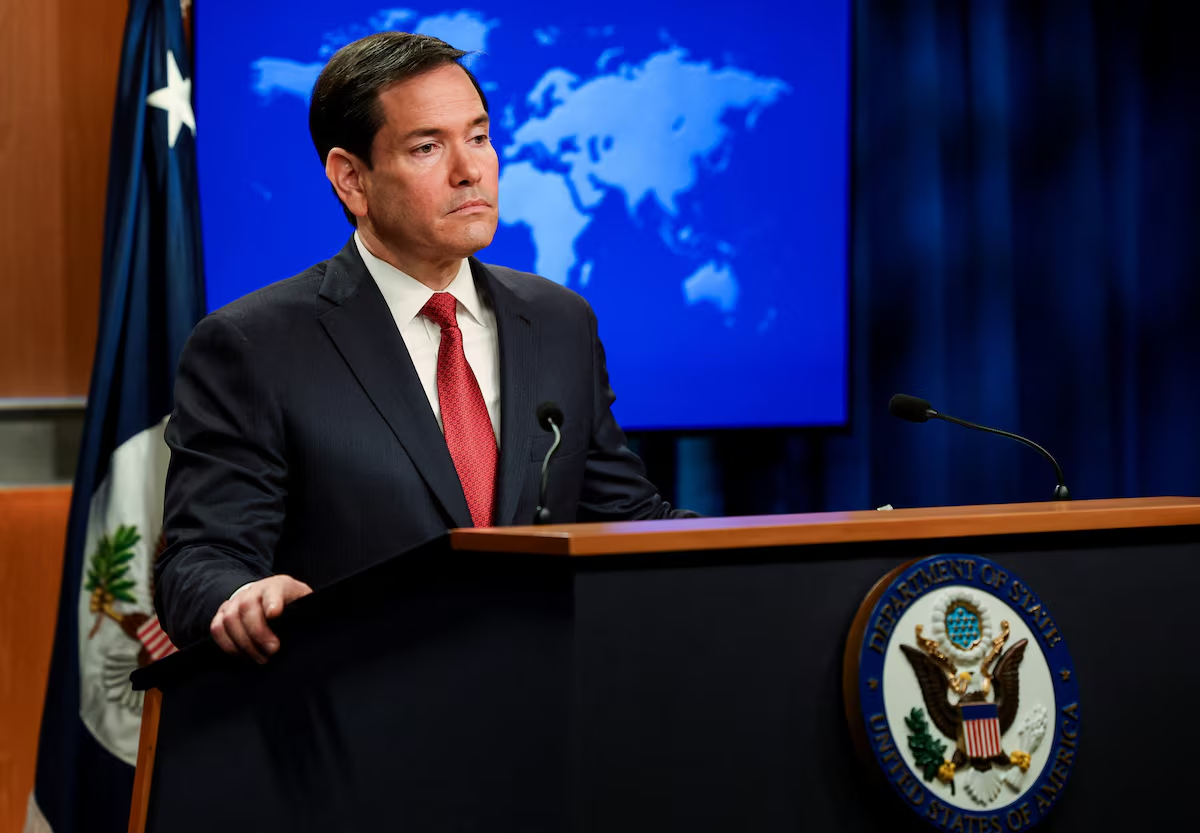
U.S. Secretary of State Marco Rubio made the announcement Thursday during an end-of-year press conference, emphasizing a turning point in the international response to Haiti’s spiraling security crisis.
“We were looking for 5,500 forces. We already have pledges of up to 7,500 forces from a variety of countries,” Rubio told reporters. “We’ve seen donors step up to fund that effort.”
From MSS to Gang Suppression Force: A Stronger Mandate
The pledges align with a UN Security Council resolution passed on September 30, 2025, that officially transitioned the Kenya-led Multinational Security Support (MSS) mission — deployed since June 2024 — into the more robust Gang Suppression Force (GSF).
The new force comes with an expanded mandate: proactive operations to reclaim gang-controlled territory, intelligence-driven strikes, and closer coordination with Haiti’s National Police and Armed Forces. Authorized strength was set at up to 5,550 personnel, making the 7,500 pledges a significant over-commitment.
A key milestone came earlier this month when a U.S.-Canada-hosted pledging conference at the United Nations on December 9 secured commitments from 18 countries and entities for troops, equipment, training, and financial support.
A Crisis That Demands Action
Armed gangs, many equipped with weapons trafficked from the United States, now control roughly 80% of Port-au-Prince and large swaths of the Artibonite Valley. Their grip has displaced more than 1.3 million Haitians, triggered acute hunger affecting nearly half the population, and paralyzed the economy.
The original MSS mission, while credited with some tactical gains, was hampered by chronic underfunding, delayed deployments, and a cautious rules-of-engagement framework. The shift to the GSF signals a more aggressive posture — one that Haitian leaders and diaspora advocates have long demanded.
Reasons for Optimism — With Caution
Kenya remains the lead nation, with over 700 officers already on the ground and fresh rotations arriving weekly. Other contributors include Jamaica, the Bahamas, Antigua & Barbuda, and several African and Latin American nations. Financial backing has improved, with the U.S., Canada, and European partners filling critical gaps.
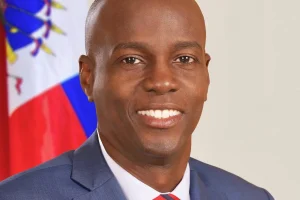
Haitian Transitional Council President Laurent Saint-Cyr welcomed the news, calling it “a lifeline that arrives not a moment too soon.”
Still, challenges remain: sustaining political will, ensuring accountability, and protecting civilians during intensified operations. Elections slated for 2026 hinge on restoring enough security for voters to reach the polls.
For now, the international community has answered Haiti’s call louder than expected. Whether those pledges translate into lasting peace on the ground will be the true measure of success.
L’Union Suite will continue tracking deployments, funding updates, and on-the-ground impact.
Nou pa lage. The fight continues — with more backup than ever.