





The Trump administration has unveiled a new plan aimed at stabilizing Haiti by supporting the creation of a United Nations Support Office. The initiative seeks to bolster the struggling Kenya-led international security mission and address Haiti’s escalating violence and political t
urmoil.
The Multinational Security Support (MSS) mission, approved by the UN in 2023, was launched to assist Haitian police in their fight against heavily armed gangs. But since its inception, the mission has faced major obstacles, including shortages of personnel and funding. While the mission was expected to deploy 2,500 members, fewer than 1,000 are currently on the ground. Additionally, much of the $380 million in pledged funding from the previous Biden administration has yet to be delivered.
The proposed UN Support Office would not send new peacekeeping troops but instead use the UN’s peacekeeping budget to provide critical logistical, financial, and administrative s
upport to the MSS mission. First suggested by UN Secretary-General António Guterres in February 2025, the plan could revitalize international efforts to restore security in Haiti.
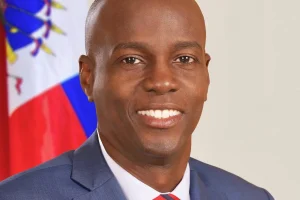
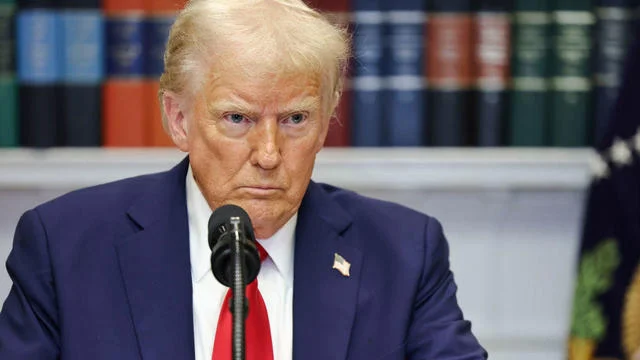
Haiti’s political instability further complicates the crisis. The country is currently governed by a Transitional Presidential Council (TPC), established in 2024 to fill the void left after the assassination of President Jovenel Moïse in 2021. The council is tasked with organizing elections by February 2026, but has been plagued by infighting and allegations of corruption. The Trump administration’s proposal acknowledges these dual challenges, while staying consistent with President Trump’s preference to avoid deploying U.S. troops abroad.
The United States is expected to push for a UN Security Council resolution on the Support Office, potentially during discussions this month led by Panama. Still, the plan could face opposition from Russia and China, who have previously blocked UN efforts related to Haiti. Critics also warn that the Trump administration’s broader cuts to UN funding and delays in appointing a UN ambassador may undercut Washington’s ability to lead effectively on the issue.
Meanwhile, Haiti has pursued its own controversial measures, including hiring a private military company run by Erik Prince, the founder of Blackwater, to conduct drone-based anti-gang operations. The move underscores both the urgency and complexity of restoring stability to a nation caught between escalating gang violence and a fragile political transition.