






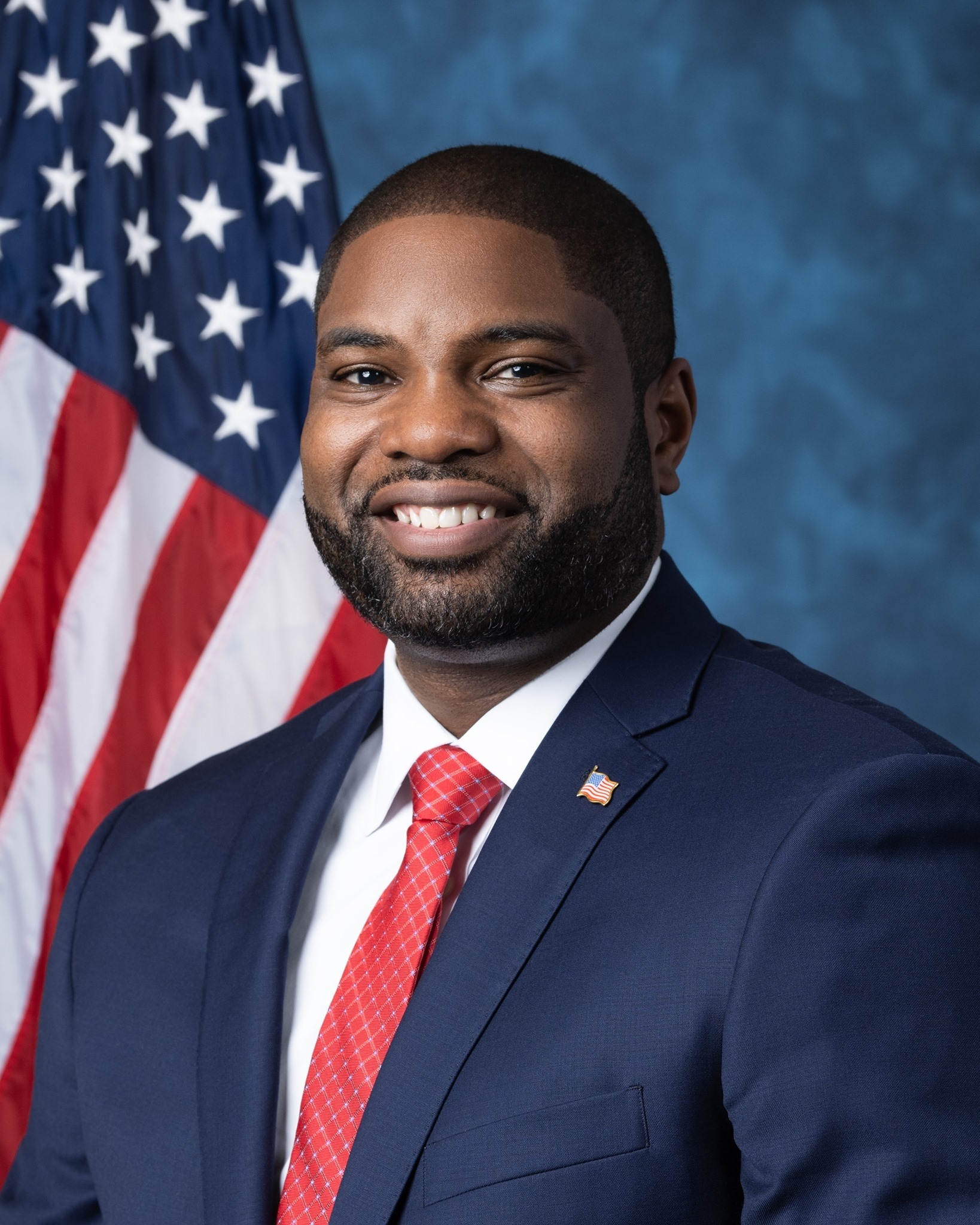
Florida’s Republican nominee for governor, U.S. Rep. Byron Donalds, is defending the Trump administration’s decision to end Temporary Protected Status (TPS) for Haitians, while saying Florida should focus on training its own workers to fill potential gaps in the workforce.
Donalds discussed the issue Sunday during an interview on CBS’ Face the Nation, where host Margaret Brennan questioned him about the impact of ending TPS on Haitian families and Florida employers.
Brennan noted that roughly 158,000 Haitians had been living legally in Florida under TPS before the program ended. She also pointed to the U.S. State Department’s warning about travel to Haiti, including concerns over crime, kidnapping and limited access to healthcare.
The conversation also focused on Florida’s healthcare workforce. Brennan raised concerns about the number of Haitians working in healthcare across the state and asked Donalds how Florida would replace those workers if they were forced to leave the country.
Donalds defended the end of Haitian TPS, arguing that Temporary Protected Status was never intended to become permanent. He also pointed to the situation in Haiti and said the country’s transitional government is working to strengthen its security forces and regain control of areas affected by armed gangs.
When asked about the potential loss of Haitian workers, Donalds did not outline a specific plan to replace those workers. Instead, he pointed to his proposed Launchpad initiative, which would connect high school juniors and seniors with internships and apprenticeships and help prepare them for jobs after graduation.
Donalds also called for stronger adult education and career-transition programs to help Floridians move into industries where workers are needed, including healthcare.
The issue is especially significant in South Florida, where Haiti’s diaspora has deep roots and where many Haitian families have built their lives under TPS.
With Donalds now preparing for the November gubernatorial election against Democrat David Jolly, his position on Haitian TPS is likely to remain an important issue among Florida’s Haitian-American community.
For Haitian families watching the race, the debate goes beyond immigration policy. It also raises questions about what happens to families who have built lives in Florida, the workers who help keep key industries running and what Florida’s next governor plans to do as the state adjusts to the end of TPS.

















![Republican senators are warning that President Trump has fumbled immigration, an issue that helped GOP candidates in 2024 and is now becoming a political liability as the party defends its Senate majority.
Several GOP senators told The Hill that the administration’s mass-deportation campaign has been too aggressive, overshadowing what they describe as a major border-security win: illegal crossings down more than 90 percent since former President Biden left office. They say the enforcement is costing Republicans support among suburban and Hispanic voters weeks before the midterms.
“Once you start deporting people who have otherwise been here without incident for 15, 20 years, that’s a gray zone that I think where you find a lot of division of opinion,” Sen. John Cornyn (R-Texas) said. “I always thought that this idea of mass deportations sent the wrong message.”
Cornyn pointed to a campaign ad from Rep. María Elvira Salazar (R-Fla.), who told the president that some enforcement “has gone too far” and that Hispanic voters who helped elect him in 2024 “feel betrayed.”
Sen. Mike Rounds (R-S.D.), who is running for reelection, said most Americans want Immigration and Customs Enforcement focused on people who have committed crimes beyond unlawful presence.
“Most Americans are saying we are a nation of laws, but with as many people here illegally as we’ve got, let’s make darn sure that our focus is on getting those individuals that have violated our laws with regard to other things other than being here illegally,” Rounds said. He urged the administration to ease off people who “are here and that have a court determination that [says] they can be here,” and to “refocus on those individuals that are actually causing harm within society today.”
Sen. Thom Tillis (R-N.C.) was blunter. “I would rather have 100 illegally present people go free than have that innocent person caught,” he said. Of sweeps that have swept up citizens and green-card holders.
#lunionsuite #haitianamerican](https://www.lunionsuite.com/wp-content/uploads/2015/08/840991051_18641085889023307_7642861791848397517_n-512x640.jpg)









![Republican senators are warning that President Trump has fumbled immigration, an issue that helped GOP candidates in 2024 and is now becoming a political liability as the party defends its Senate majority.
Several GOP senators told The Hill that the administration’s mass-deportation campaign has been too aggressive, overshadowing what they describe as a major border-security win: illegal crossings down more than 90 percent since former President Biden left office. They say the enforcement is costing Republicans support among suburban and Hispanic voters weeks before the midterms.
“Once you start deporting people who have otherwise been here without incident for 15, 20 years, that’s a gray zone that I think where you find a lot of division of opinion,” Sen. John Cornyn (R-Texas) said. “I always thought that this idea of mass deportations sent the wrong message.”
Cornyn pointed to a campaign ad from Rep. María Elvira Salazar (R-Fla.), who told the president that some enforcement “has gone too far” and that Hispanic voters who helped elect him in 2024 “feel betrayed.”
Sen. Mike Rounds (R-S.D.), who is running for reelection, said most Americans want Immigration and Customs Enforcement focused on people who have committed crimes beyond unlawful presence.
“Most Americans are saying we are a nation of laws, but with as many people here illegally as we’ve got, let’s make darn sure that our focus is on getting those individuals that have violated our laws with regard to other things other than being here illegally,” Rounds said. He urged the administration to ease off people who “are here and that have a court determination that [says] they can be here,” and to “refocus on those individuals that are actually causing harm within society today.”
Sen. Thom Tillis (R-N.C.) was blunter. “I would rather have 100 illegally present people go free than have that innocent person caught,” he said. Of sweeps that have swept up citizens and green-card holders.
#lunionsuite #haitianamerican](https://scontent-yyz1-1.cdninstagram.com/v/t51.82787-15/840991051_18641085889023307_7642861791848397517_n.jpg?stp=dst-jpg_e35_tt6&_nc_cat=104&ccb=7-5&_nc_sid=18de74&efg=eyJlZmdfdGFnIjoiQ0FST1VTRUxfSVRFTS5iZXN0X2ltYWdlX3VybGdlbi5DMyJ9&_nc_ohc=70T7ckHhF9wQ7kNvwFqmM5X&_nc_oc=AdrfzHi0RxaXzySEibBtd028-9N9V5wILDrPU5dNmfPcfGB4w5QkXFs2itzQg4O2-y0&_nc_zt=23&_nc_ht=scontent-yyz1-1.cdninstagram.com&edm=ANo9K5cEAAAA&_nc_gid=fW7OUxlv-Gt1tPXmKB9Rfw&_nc_tpa=Q5bMBQKlKXNG3NsFoaAvXKgwfVfrZE_jddhtMOPh6m3oNCc-NYzOU9UiHhc2HDuNwQN6XB_2mpaS3535&oh=00_AQPDIoXTwrsAWAPaG_U7XwW1nbLxBzoGjc_Z1QCi2IbXyg&oe=6AD1C718)
![Republican senators are warning that President Trump has fumbled immigration, an issue that helped GOP candidates in 2024 and is now becoming a political liability as the party defends its Senate majority.
Several GOP senators told The Hill that the administration’s mass-deportation campaign has been too aggressive, overshadowing what they describe as a major border-security win: illegal crossings down more than 90 percent since former President Biden left office. They say the enforcement is costing Republicans support among suburban and Hispanic voters weeks before the midterms.
“Once you start deporting people who have otherwise been here without incident for 15, 20 years, that’s a gray zone that I think where you find a lot of division of opinion,” Sen. John Cornyn (R-Texas) said. “I always thought that this idea of mass deportations sent the wrong message.”
Cornyn pointed to a campaign ad from Rep. María Elvira Salazar (R-Fla.), who told the president that some enforcement “has gone too far” and that Hispanic voters who helped elect him in 2024 “feel betrayed.”
Sen. Mike Rounds (R-S.D.), who is running for reelection, said most Americans want Immigration and Customs Enforcement focused on people who have committed crimes beyond unlawful presence.
“Most Americans are saying we are a nation of laws, but with as many people here illegally as we’ve got, let’s make darn sure that our focus is on getting those individuals that have violated our laws with regard to other things other than being here illegally,” Rounds said. He urged the administration to ease off people who “are here and that have a court determination that [says] they can be here,” and to “refocus on those individuals that are actually causing harm within society today.”
Sen. Thom Tillis (R-N.C.) was blunter. “I would rather have 100 illegally present people go free than have that innocent person caught,” he said. Of sweeps that have swept up citizens and green-card holders.
#lunionsuite #haitianamerican](https://scontent-yyz1-1.cdninstagram.com/v/t51.82787-15/839766226_18641085904023307_2948675116117924112_n.jpg?stp=dst-jpg_e35_tt6&_nc_cat=102&ccb=7-5&_nc_sid=18de74&efg=eyJlZmdfdGFnIjoiQ0FST1VTRUxfSVRFTS5iZXN0X2ltYWdlX3VybGdlbi5DMyJ9&_nc_ohc=EIPPc5Ck2PAQ7kNvwEnR75G&_nc_oc=Adq6yRBvqDfgp2RRFmiLUNWocTWBYd_9XPVPSZyIYFU3CfJBA1I32Jpm2Q9vIRXne_k&_nc_zt=23&_nc_ht=scontent-yyz1-1.cdninstagram.com&edm=ANo9K5cEAAAA&_nc_gid=fW7OUxlv-Gt1tPXmKB9Rfw&_nc_tpa=Q5bMBQIl4p6yfR3zc6OhUgBAb3RzQoGGX21BYXRH5AH3r1B9_XjohLN217azAK_zP6mbTHnk3I_hf7Jx&oh=00_AQOeb9kx6Cft1Gh1YK1f1cv_eDB-zxdbi1NZDVR5erwStw&oe=6AD1A2D8)
![Republican senators are warning that President Trump has fumbled immigration, an issue that helped GOP candidates in 2024 and is now becoming a political liability as the party defends its Senate majority.
Several GOP senators told The Hill that the administration’s mass-deportation campaign has been too aggressive, overshadowing what they describe as a major border-security win: illegal crossings down more than 90 percent since former President Biden left office. They say the enforcement is costing Republicans support among suburban and Hispanic voters weeks before the midterms.
“Once you start deporting people who have otherwise been here without incident for 15, 20 years, that’s a gray zone that I think where you find a lot of division of opinion,” Sen. John Cornyn (R-Texas) said. “I always thought that this idea of mass deportations sent the wrong message.”
Cornyn pointed to a campaign ad from Rep. María Elvira Salazar (R-Fla.), who told the president that some enforcement “has gone too far” and that Hispanic voters who helped elect him in 2024 “feel betrayed.”
Sen. Mike Rounds (R-S.D.), who is running for reelection, said most Americans want Immigration and Customs Enforcement focused on people who have committed crimes beyond unlawful presence.
“Most Americans are saying we are a nation of laws, but with as many people here illegally as we’ve got, let’s make darn sure that our focus is on getting those individuals that have violated our laws with regard to other things other than being here illegally,” Rounds said. He urged the administration to ease off people who “are here and that have a court determination that [says] they can be here,” and to “refocus on those individuals that are actually causing harm within society today.”
Sen. Thom Tillis (R-N.C.) was blunter. “I would rather have 100 illegally present people go free than have that innocent person caught,” he said. Of sweeps that have swept up citizens and green-card holders.
#lunionsuite #haitianamerican](https://scontent-yyz1-1.cdninstagram.com/v/t51.82787-15/842191576_18641085880023307_6000724888231376659_n.jpg?stp=dst-jpg_e35_tt6&_nc_cat=107&ccb=7-5&_nc_sid=18de74&efg=eyJlZmdfdGFnIjoiQ0FST1VTRUxfSVRFTS5iZXN0X2ltYWdlX3VybGdlbi5DMyJ9&_nc_ohc=xtZvFe7RaVYQ7kNvwG4OWwN&_nc_oc=AdovbRSSo7-bJB-h4BjOGp3hCPdXOFQnOzD9Azrpx2vu_gAxIR8ITx7lo-GmhavkZsA&_nc_zt=23&_nc_ht=scontent-yyz1-1.cdninstagram.com&edm=ANo9K5cEAAAA&_nc_gid=fW7OUxlv-Gt1tPXmKB9Rfw&_nc_tpa=Q5bMBQKnjqbk9bCanvN6F7Y22UnyIEwGXkxHeWg3_YtRxdVmm5j-9IXIK9RQkBspL661R7CgVMoDprc4&oh=00_AQNP8ex-Ui_Og_eorUKYC9Yi5rQBFweI89SPrOVYuscvVw&oe=6AD1AE36)



[…] Donalds said the focus should be on ensuring high school graduates have internships, apprenticeships, and workforce training to fill healthcare and other jobs, and expressed confidence that Haiti’s transitional government could stabilize the country enough to allow immigrants to return there. […]