





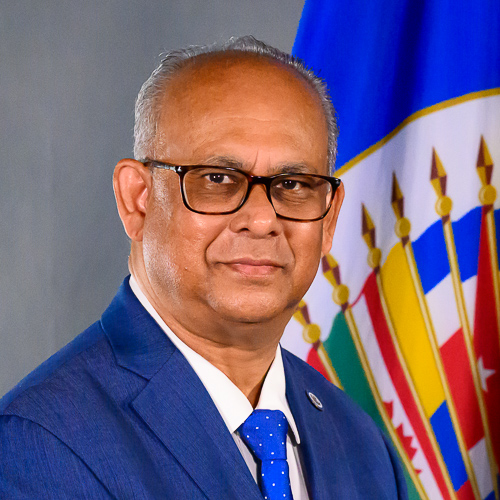
As Haiti moves toward elections scheduled for December, the head of the Organization of American States is warning that people connected to criminal organizations should not be allowed to seek elected office.
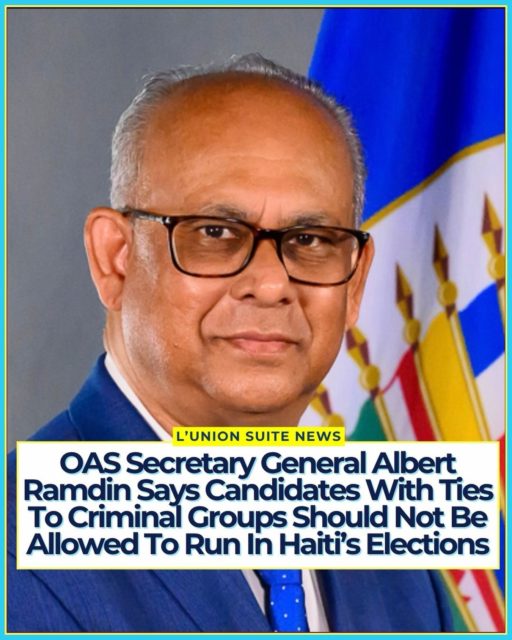
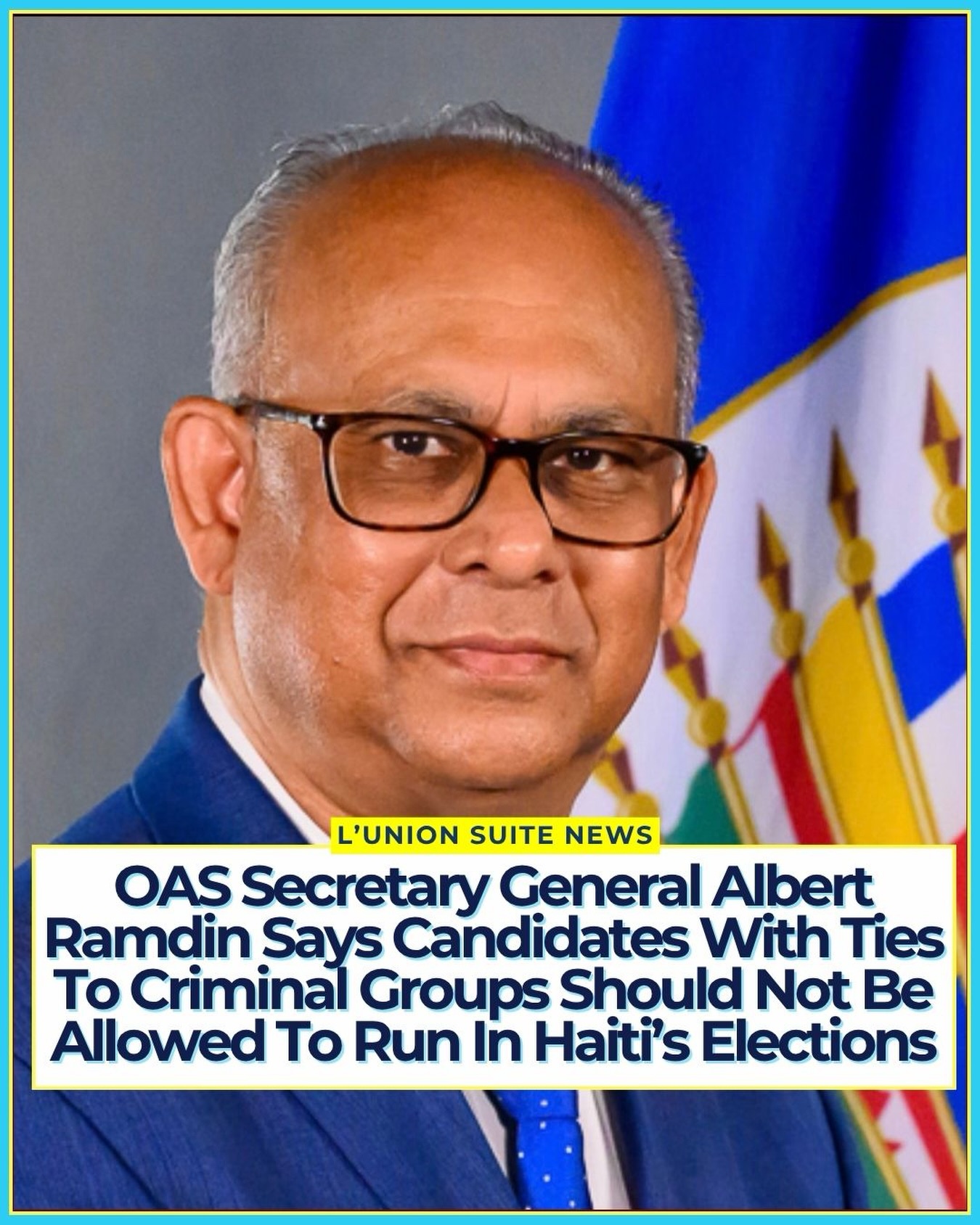
OAS Secretary General Albert Ramdin made the comments during a September 11 press conference with Caribbean journalists, as Haiti continues preparations for elections amid widespread insecurity and armed-group violence.
Ramdin said his position applies to candidates seeking office at every level — including the presidency, Parliament and local government.
“Anyone with ties to criminal organizations should not be allowed to take part in the elections,” Ramdin said. He added that determining how those connections are verified is the responsibility of Haitian authorities.
That distinction is important. Ramdin was expressing his position as OAS secretary general. He was not announcing a new Haitian law or saying that the OAS has the authority to remove candidates from the ballot.
Concerns Over Political Connections to Armed Groups
Ramdin has raised concerns about alleged connections between some political figures and armed groups as Haiti prepares to restore elected government.
According to Le Nouvelliste, he said there is information pointing to political actors having links with gangs, an issue he believes must be addressed as the country prepares for elections.
However, Ramdin did not publicly identify specific candidates in the remarks reviewed by L’Union Suite.
That means allegations about individual candidates should not be treated as established fact without evidence and the appropriate process under Haitian law.
The responsibility for reviewing candidacies and determining whether someone meets the legal requirements to appear on the ballot remains with Haiti’s electoral authorities.
Haiti Is Preparing for December Elections
Haiti’s Provisional Electoral Council has scheduled the first round of elections for December 13, 2026, although serious security and logistical challenges remain.
The OAS has said preparations must move faster, particularly voter registration and the distribution of national identification cards needed for participation in the electoral process.
Candidate registration is also underway. As of September 23, Le Nouvelliste reported that nine people had registered on the CEP’s online platform as potential presidential candidates. Their registration did not automatically guarantee a place on the final ballot; the CEP still has to determine whether candidacies meet the applicable requirements.
Ramdin has also been careful to distinguish between supporting Haiti’s electoral process and guaranteeing that voting will actually take place on December 13.
During his September 11 press conference, he said the date comes from the CEP’s electoral calendar and that he had deliberately avoided personally guaranteeing that elections would occur that day.
Security Remains One of the Biggest Challenges
Haiti’s elections are being organized while much of the capital remains affected by armed groups.
In a September report, the OAS estimated that gangs control approximately 80% to 90% of Port-au-Prince. The organization also reported approximately 1.47 million displaced people and 6.4 million people requiring humanitarian assistance.
The security crisis has made elections and security closely connected issues for Haitian authorities and international partners.
On September 25, all 32 active OAS member states issued a joint statement calling for the renewal and full deployment of the Gang Suppression Force in Haiti.
The countries called for additional personnel, financing, equipment and logistical support for the force. They also said electoral preparations should continue as security conditions improve, including work on voter registration, identification and election logistics.
Ramdin said improving security is necessary for Haitian institutions to function and for elections to take place.
Who Decides Who Can Run?
Despite the OAS secretary general’s comments, the OAS does not decide which Haitian candidates qualify for office.
That responsibility remains part of Haiti’s own electoral process.
Ramdin himself acknowledged this point when discussing candidates with alleged criminal connections, saying that how those ties are established and verified is up to Haitian authorities.
That leaves Haiti facing two major challenges at the same time: preventing criminal organizations from gaining influence over elected institutions while ensuring that decisions about candidates are handled through the country’s established electoral procedures.
With Haiti working toward its first national elections in years, how those rules are applied — and how allegations involving candidates are investigated — could become an important issue as the December election approaches.


























Add Comment