






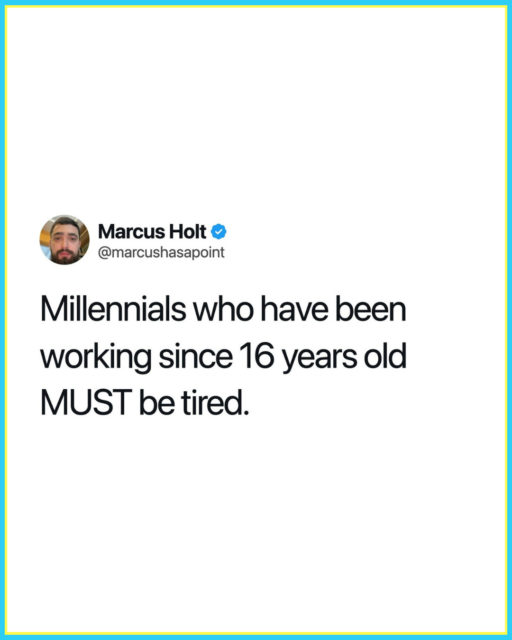
One of the biggest changes reshaping the job market is the rapid decline of traditional entry-level office roles. Tasks that were once assigned to junior employees such as scheduling, data entry, basic research, customer support, and administrative work are increasingly being automated through AI and advanced software systems.
As a result, employers are becoming more selective and cautious with hiring. Many companies are keeping entry-level hiring flat while prioritizing candidates who already possess:
- Internship or co-op experience
- Technical and digital skills
- Relevant certifications
- Strong portfolios or project samples
- Real-world problem-solving abilities
- Excellent communication and leadership skills
Career experts note that in today’s competitive landscape, networking and hands-on experience have become just as valuable as the college degree itself. Graduates who completed internships, freelance work, research projects, or leadership roles during their studies are often standing out from the crowd.
The difficulties are not limited to bachelor’s degree holders. Some reports indicate rising unemployment and underemployment even among those with master’s degrees, as industries slow hiring and become more selective with advanced-degree candidates.
Despite the current challenges, experts maintain that higher education remains a valuable long-term investment. However, the modern workforce is evolving quickly, and many graduates are discovering that a degree alone may no longer guarantee immediate career opportunities the way it once did.
Success in today’s job market increasingly requires adaptability, continuous learning, and practical experience alongside academic achievement.





![Grammy-winning producer and Haitian cultural ambassador Michaël Brun is bringing BAYO back to Miami’s Little Haiti on November 22, for a free block party celebrating the movement’s 10th anniversary, made possible through a major partnership with Rockstar Games.
Presented with support from Rockstar Games, the company behind the #GrandTheftAuto (https://www.instagram.com/explore/tags/grandtheftauto/) franchise, the event will welcome up to 7,500 attendees, the largest Little Haiti edition to date. Admission is free, with tickets distributed through a raffle and more than half reserved specifically for Florida residents and Haitian communities. Fans can sign up now at [bayotour.com]
In announcing the return, Brun said: “10 years ago, BAYO made its US debut as a free block party in Little Haiti celebrating Haitian and Caribbean culture. That show was the beginning of a beautiful journey across 12 cities, over 50,000 tickets sold, multiple arena and park shows and over 140 artist guests from around the world. I’m so proud to be bringing BAYO back to Little Haiti for our biggest show ever on November 22nd. New venue, huge surprises, our most iconic lineup of all time and FREE tickets courtesy of Rockstar Games.”
The timing adds another layer of visibility. Rockstar Games’ highly anticipated GTA VI is set for release on November 19, 2026, just three days before the BAYO celebration. The game’s fictional Vice City is famously inspired by Miami, placing the partnership and the Little Haiti event in the same cultural spotlight.
The Little Haiti return closes an anniversary run that already included Boston’s Agganis Arena and a sold-out three-night residency at Brooklyn Paramount. With Rockstar Games’ support making the celebration free and accessible, the 10th anniversary returns full circle to the neighborhood where BAYO began, bringing music, culture, and community together on a bigger stage.
#lunionsuite #haitianamerican](https://www.lunionsuite.com/wp-content/uploads/2015/04/857202981_18645558742023307_1930732005552624620_n-512x640.jpg)







![Grammy-winning producer and Haitian cultural ambassador Michaël Brun is bringing BAYO back to Miami’s Little Haiti on November 22, for a free block party celebrating the movement’s 10th anniversary, made possible through a major partnership with Rockstar Games.
Presented with support from Rockstar Games, the company behind the #GrandTheftAuto (https://www.instagram.com/explore/tags/grandtheftauto/) franchise, the event will welcome up to 7,500 attendees, the largest Little Haiti edition to date. Admission is free, with tickets distributed through a raffle and more than half reserved specifically for Florida residents and Haitian communities. Fans can sign up now at [bayotour.com]
In announcing the return, Brun said: “10 years ago, BAYO made its US debut as a free block party in Little Haiti celebrating Haitian and Caribbean culture. That show was the beginning of a beautiful journey across 12 cities, over 50,000 tickets sold, multiple arena and park shows and over 140 artist guests from around the world. I’m so proud to be bringing BAYO back to Little Haiti for our biggest show ever on November 22nd. New venue, huge surprises, our most iconic lineup of all time and FREE tickets courtesy of Rockstar Games.”
The timing adds another layer of visibility. Rockstar Games’ highly anticipated GTA VI is set for release on November 19, 2026, just three days before the BAYO celebration. The game’s fictional Vice City is famously inspired by Miami, placing the partnership and the Little Haiti event in the same cultural spotlight.
The Little Haiti return closes an anniversary run that already included Boston’s Agganis Arena and a sold-out three-night residency at Brooklyn Paramount. With Rockstar Games’ support making the celebration free and accessible, the 10th anniversary returns full circle to the neighborhood where BAYO began, bringing music, culture, and community together on a bigger stage.
#lunionsuite #haitianamerican](https://scontent-yyz1-1.cdninstagram.com/v/t51.82787-15/858197944_18645558700023307_686072295350904763_n.jpg?stp=dst-jpg_e35_tt6&_nc_cat=100&ccb=7-5&_nc_sid=18de74&efg=eyJlZmdfdGFnIjoiQ0FST1VTRUxfSVRFTS5iZXN0X2ltYWdlX3VybGdlbi5DMyJ9&_nc_ohc=bOQ5XMx_Z1YQ7kNvwGG7S4C&_nc_oc=AdpRGLfZNHddto393TLgTmmy4hfWc5JLTXDdw5hgJXVgYUpW7ZDy46ppArbX5fDarcg&_nc_zt=23&_nc_ht=scontent-yyz1-1.cdninstagram.com&edm=ANo9K5cEAAAA&_nc_gid=IjrD1n26WASdTbFx3uPZVA&_nc_tpa=Q5bMBQIdb0B-FcHr3ubOf5s_qLMbbunjaDo1PV4JA6meh9pbikQhVXYdXZsHywDWhDEUUE1oISm6-ls_&oh=00_AQMvOA4ePtnwiwl5OMsIT7Hvy2IuXpYnuL7A1t1YkqfPtQ&oe=6ADD8873)