




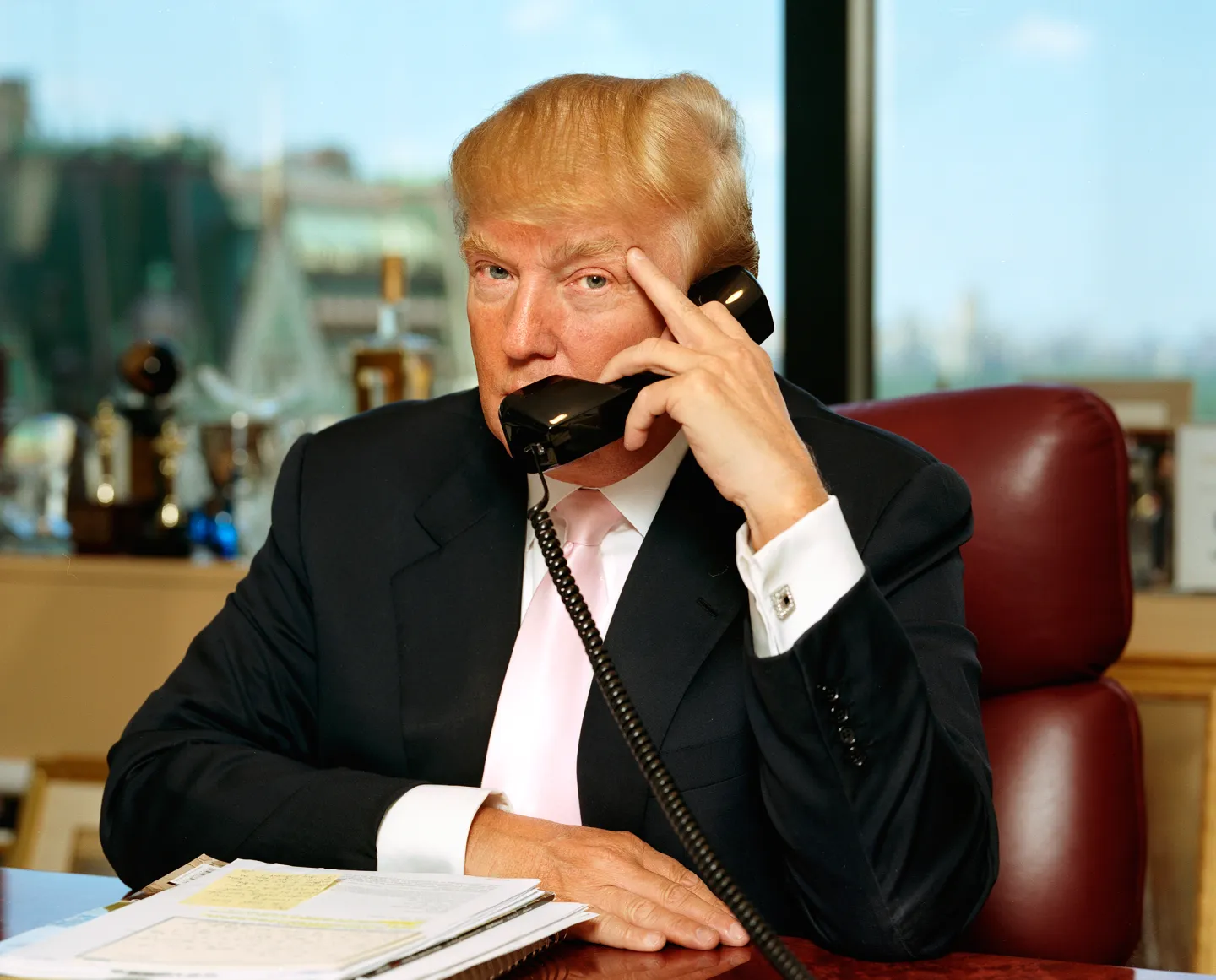
Breaking: The sweeping pause, triggered by last week’s deadly D.C. shooting, halts green cards, asylum claims, and even citizenship ceremonies—ensnaring thousands in limbo.
Washington, D.C. – December 3, 2025 In a dramatic escalation of its hardline immigration agenda, the Trump administration has imposed an immediate and indefinite pause on all U.S. Citizenship and Immigration Services (USCIS) proceedings involving applicants from 19 countries targeted by a summer travel ban. The directive, leaked to CBS News and The New York Times before its official release on Tuesday evening, freezes everything from green card approvals and asylum claims to family-based petitions and long-scheduled naturalization ceremonies for legal permanent residents on the verge of citizenship.
Critics decried the move as a “seismic blow” to immigrant communities already reeling from policy whiplash, while supporters hailed it as an essential bulwark against national security threats. The internal USCIS memo, dated Monday and authored by agency leadership, instructs staff to “stop final adjudication on all cases” for nationals of these nations, affecting thousands of immigrants deeply woven into the fabric of American life—from nurses in New York hospitals to entrepreneurs in Miami’s Little Haiti.
This broad freeze builds directly on a June 4 presidential proclamation that slapped near-total entry restrictions on 12 countries—Afghanistan, Myanmar (Burma), Chad, Republic of the Congo, Equatorial Guinea, Eritrea, Haiti, Iran, Libya, Somalia, Sudan, and Yemen—while partially suspending travel from seven others: Burundi, Cuba, Laos, Sierra Leone, Togo, Turkmenistan, and Venezuela. The order was justified by concerns over “deficient” identity verification processes, elevated visa overstay rates, and the listed countries’ reluctance to repatriate deportees.
The timing could not be more charged. The pause follows last week’s tragic shooting near the White House, where 20-year-old Wes
t Virginia National Guard Specialist Sarah Beckstrom was killed and 24-year-old Staff Sgt. [Name redacted for sensitivity; per reports, a fellow Guardsman] was wounded by an Afghan national who had entered the U.S. as an evacuee in September 2021 and been granted asylum in April 2025—after President Trump’s return to office but during a transitional period of lingering Biden-era approvals. The suspect, whose case is under intense scrutiny, has ignited a firestorm of debate over vetting lapses.
In the wake of the attack, the White House has rolled out a barrage of post-shooting measures: a complete halt on USCIS asylum adjudications across all nationalities (impacting over 1.4 million pending cases), the destruction of outstanding Afghan visas by State Department officials, and an aggressive audit of green cards and approvals issued during the Biden administration. Homeland Security Secretary Kristi Noem defended the latest directive in a fiery Fox News appearance, declaring, “We’re reviewing every single file from Biden’s era—no more murderers or leeches slipping through the cracks. This is about protecting Americans first.”
The USCIS memo echoes that urgency, emphasizing that “the burden of processing delays… is necessary and appropriate when weighed against the agency’s obligation to protect and preserve national security.” It mandates a “thorough re-review process” for every applicant from the 19 countries, including potential interviews or re-interviews to probe for “national security and public safety threats.” Within 90 days, USCIS plans to compile a prioritized list of cases for referral to immigration enforcement or other agencies. Notably, the pause even derails citizenship ceremonies for green card holders from these nations who were mere days from swearing the oath—leaving families in heartbreaking uncertainty.
Immigration advocates wasted no time in sounding the alarm. “This isn’t security; it’s cruelty,” said Ana Maria Schwartz, an immigration attorney in Houston, Texas, whose firm represents several Venezuelan clients whose naturalization interviews were abruptly canceled without explanation. Lawyers nationwide report a surge in frantic calls from clients whose long-awaited appointments have vanished from USCIS systems, some after years of waiting. For Haitian Americans, already battered by ongoing deportation threats and economic instability back home, the inclusion of Haiti on the list feels like a gut punch. “These are our neighbors, our teachers, our frontline workers during COVID,” said Marie Louis-Jeune, executive director of the Haitian American Alliance of New York. “Pausing their lives mid-stream doesn’t make us safer—it tears at the soul of what America stands for.”
On the other side, the policy has drawn applause from conservative circles. Trump, in a Truth Social post Tuesday night, called it a “permanent pause on migration from Third World Countries” that will “stop the invasion once and for all.” His rhetoric has sharpened in recent days, including inflammatory remarks labeling Somali immigrants “garbage” and vowing they have no place in the country. Groups like the Federation for American Immigration Reform (FAIR) praised the move as “long overdue,” arguing it addresses systemic vetting failures expose
d by the D.C. tragedy.
Since reclaiming the White House in January 2025, the Trump administration has turbocharged immigration enforcement: deploying federal agents to sanctuary cities, turning back asylum seekers at the southern border, and dismantling Biden-era protections like parole programs for Venezuelans and Haitians. But this USCIS pause marks a pivot toward reshaping legal immigration—a cornerstone of Trump’s 2024 campaign promises. USCIS Director Joseph Edlow, in a Monday Newsmax interview, underscored the shift: “We’ve paused asylum indefinitely to tackle the million-case backlog. National security demands nothing less.”
Legal challenges are already mounting. The American Civil Liberties Union (ACLU) announced plans to sue, calling the directive “arbitrary and discriminatory” under the Fifth Amendment’s due process clause. “This blanket freeze punishes innocents based on their birthplace,” ACLU senior staff attorney Cody Wofsy said in a statement. Immigration courts, already overwhelmed, brace for an influx of emergency motions as affected families seek stays.
For now, the human toll mounts in silence. In Chicago’s Little Village, a Yemeni father waits on a green card to reunite with his U.S.-citizen children; in Miami’s vibrant Haitian enclaves, a nurse from Port-au-Prince stares at a canceled citizenship date, her American Dream deferred indefinitely. As the holiday season approaches, the pause serves as a stark reminder of immigration’s frontlines—not just at borders, but in the quiet bureaucracy of belonging.
L’Union Suite will monitor developments closely, including potential impacts on Haitian and Caribbean communities nationwide. What does this mean for you? Share your story in the comments below.




![Three of the Haitian music industry’s most recognizable names did not roll on Eastern Parkway for this year’s West Indian American Day Parade. The West Indian American Day Carnival Association says T-Vice, Tony Mix and SakPase Nation were barred because they failed to meet carnival rules. The bands tell a different story. T-Vice says it was not refused and chose to stay off the route. Tony Mix publicly announced he would not take part.
The annual parade stepped off Monday, Sept. 7, along Brooklyn’s Eastern Parkway. Days earlier, The Haitian Times reported that WIADCA had kept the three groups off the official lineup. As of that Thursday, five other Haitian groups had been approved to participate. Haitian flags, mas and music were still on the Parkway. The missing piece was the big konpa trucks that usually stop traffic.
Cecile Ford is WIADCA’s board secretary and chair of the Mas Committee. She said organizers had warned the groups that the rules would be enforced.
“We’ve tried to work with them and each year there was a promise… they just take it as a joke,” Ford said. Ford later pointed to overcrowding on trucks as a safety problem.“We have pictures & photos [they] were not compliant with the number of people they have on their trucks, which is a security issue & safety issue,” she said.
WIADCA’s written rules state only bands with a WIADCA permit can enter the parade. Participants must be costumed. Artist trucks, advertising trucks and “T-shirt bands” are excluded. Band leaders are required to put marshals on the route, keep vehicles insured and stay within height and safety limits set with police and the city. Failure to comply can mean removal from the parade.
T-Vice answered Ford by name. The band said it was not refused. T-Vice said the Parkway absence was its own choice, while the carnival association said the group was barred. Tony Mix also spoke with an official announcement circulated that he would not take part in the 2026 Labor Day carnival. SakPase Nation did not respond.
Haitian mas and music was still on the route, including Lespri Ayiti and RAM among groups carrying the Haitian presence.
#lunionsuite #haitianamerican](https://www.lunionsuite.com/wp-content/uploads/2026/09/809209156_18633930094023307_3630959692441275516_n-512x640.jpg)




![Three of the Haitian music industry’s most recognizable names did not roll on Eastern Parkway for this year’s West Indian American Day Parade. The West Indian American Day Carnival Association says T-Vice, Tony Mix and SakPase Nation were barred because they failed to meet carnival rules. The bands tell a different story. T-Vice says it was not refused and chose to stay off the route. Tony Mix publicly announced he would not take part.
The annual parade stepped off Monday, Sept. 7, along Brooklyn’s Eastern Parkway. Days earlier, The Haitian Times reported that WIADCA had kept the three groups off the official lineup. As of that Thursday, five other Haitian groups had been approved to participate. Haitian flags, mas and music were still on the Parkway. The missing piece was the big konpa trucks that usually stop traffic.
Cecile Ford is WIADCA’s board secretary and chair of the Mas Committee. She said organizers had warned the groups that the rules would be enforced.
“We’ve tried to work with them and each year there was a promise… they just take it as a joke,” Ford said. Ford later pointed to overcrowding on trucks as a safety problem.“We have pictures & photos [they] were not compliant with the number of people they have on their trucks, which is a security issue & safety issue,” she said.
WIADCA’s written rules state only bands with a WIADCA permit can enter the parade. Participants must be costumed. Artist trucks, advertising trucks and “T-shirt bands” are excluded. Band leaders are required to put marshals on the route, keep vehicles insured and stay within height and safety limits set with police and the city. Failure to comply can mean removal from the parade.
T-Vice answered Ford by name. The band said it was not refused. T-Vice said the Parkway absence was its own choice, while the carnival association said the group was barred. Tony Mix also spoke with an official announcement circulated that he would not take part in the 2026 Labor Day carnival. SakPase Nation did not respond.
Haitian mas and music was still on the route, including Lespri Ayiti and RAM among groups carrying the Haitian presence.
#lunionsuite #haitianamerican](https://scontent-yyz1-1.cdninstagram.com/v/t51.82787-15/809209156_18633930094023307_3630959692441275516_n.jpg?stp=dst-jpg_e35_tt6&_nc_cat=108&ccb=7-5&_nc_sid=18de74&efg=eyJlZmdfdGFnIjoiQ0FST1VTRUxfSVRFTS5iZXN0X2ltYWdlX3VybGdlbi5DMyJ9&_nc_ohc=x34GLS09I-MQ7kNvwFqHCNl&_nc_oc=AdowqDCN9YT1Ab6Xr9C2sg7ga-9vqDxpgpSPQVu_SMkTWY4MV-DSZ2lzrsiKmJkeEI4&_nc_zt=23&_nc_ht=scontent-yyz1-1.cdninstagram.com&edm=ANo9K5cEAAAA&_nc_gid=qlB1vP6V_eDQg1o7FGdtOg&_nc_tpa=Q5bMBQL-bKN_EHZ9Gzp5Rk9r2OzSJ1HKHdYF3wRo8SXze8kPvQ696AO-fQX8qH2durYArOjcy2b3tYRb&oh=00_AQJYJ5-vca4WTXW0SF8NeZC34lm9RovgQb3DXZk0AlsT0Q&oe=6AB0ECDD)
![Three of the Haitian music industry’s most recognizable names did not roll on Eastern Parkway for this year’s West Indian American Day Parade. The West Indian American Day Carnival Association says T-Vice, Tony Mix and SakPase Nation were barred because they failed to meet carnival rules. The bands tell a different story. T-Vice says it was not refused and chose to stay off the route. Tony Mix publicly announced he would not take part.
The annual parade stepped off Monday, Sept. 7, along Brooklyn’s Eastern Parkway. Days earlier, The Haitian Times reported that WIADCA had kept the three groups off the official lineup. As of that Thursday, five other Haitian groups had been approved to participate. Haitian flags, mas and music were still on the Parkway. The missing piece was the big konpa trucks that usually stop traffic.
Cecile Ford is WIADCA’s board secretary and chair of the Mas Committee. She said organizers had warned the groups that the rules would be enforced.
“We’ve tried to work with them and each year there was a promise… they just take it as a joke,” Ford said. Ford later pointed to overcrowding on trucks as a safety problem.“We have pictures & photos [they] were not compliant with the number of people they have on their trucks, which is a security issue & safety issue,” she said.
WIADCA’s written rules state only bands with a WIADCA permit can enter the parade. Participants must be costumed. Artist trucks, advertising trucks and “T-shirt bands” are excluded. Band leaders are required to put marshals on the route, keep vehicles insured and stay within height and safety limits set with police and the city. Failure to comply can mean removal from the parade.
T-Vice answered Ford by name. The band said it was not refused. T-Vice said the Parkway absence was its own choice, while the carnival association said the group was barred. Tony Mix also spoke with an official announcement circulated that he would not take part in the 2026 Labor Day carnival. SakPase Nation did not respond.
Haitian mas and music was still on the route, including Lespri Ayiti and RAM among groups carrying the Haitian presence.
#lunionsuite #haitianamerican](https://scontent-yyz1-1.cdninstagram.com/v/t51.82787-15/788924694_18633930097023307_3043638025784358712_n.jpg?stp=dst-jpg_e35_tt6&_nc_cat=110&ccb=7-5&_nc_sid=18de74&efg=eyJlZmdfdGFnIjoiQ0FST1VTRUxfSVRFTS5iZXN0X2ltYWdlX3VybGdlbi5DMyJ9&_nc_ohc=2C7Wl-aKuL0Q7kNvwF0SU-y&_nc_oc=AdqS67UJ5kM67AfhglIGf79iRqaHlSsnp0FyZd7KoG7qEtb5unEgcDoOFORhGwog7BI&_nc_zt=23&_nc_ht=scontent-yyz1-1.cdninstagram.com&edm=ANo9K5cEAAAA&_nc_gid=qlB1vP6V_eDQg1o7FGdtOg&_nc_tpa=Q5bMBQI1s5GYu7aaG0jgGZVu2P_IvMpC7yCMPrTtiZ2LtWYnNCEmUty78rNy79sBQ_qp9X6J5aHzHWdC&oh=00_AQK3KjdJkhVDxEBGidExGQ1pLdOoLIK8fADPc03fJDf3Qw&oe=6AB11186)
![Three of the Haitian music industry’s most recognizable names did not roll on Eastern Parkway for this year’s West Indian American Day Parade. The West Indian American Day Carnival Association says T-Vice, Tony Mix and SakPase Nation were barred because they failed to meet carnival rules. The bands tell a different story. T-Vice says it was not refused and chose to stay off the route. Tony Mix publicly announced he would not take part.
The annual parade stepped off Monday, Sept. 7, along Brooklyn’s Eastern Parkway. Days earlier, The Haitian Times reported that WIADCA had kept the three groups off the official lineup. As of that Thursday, five other Haitian groups had been approved to participate. Haitian flags, mas and music were still on the Parkway. The missing piece was the big konpa trucks that usually stop traffic.
Cecile Ford is WIADCA’s board secretary and chair of the Mas Committee. She said organizers had warned the groups that the rules would be enforced.
“We’ve tried to work with them and each year there was a promise… they just take it as a joke,” Ford said. Ford later pointed to overcrowding on trucks as a safety problem.“We have pictures & photos [they] were not compliant with the number of people they have on their trucks, which is a security issue & safety issue,” she said.
WIADCA’s written rules state only bands with a WIADCA permit can enter the parade. Participants must be costumed. Artist trucks, advertising trucks and “T-shirt bands” are excluded. Band leaders are required to put marshals on the route, keep vehicles insured and stay within height and safety limits set with police and the city. Failure to comply can mean removal from the parade.
T-Vice answered Ford by name. The band said it was not refused. T-Vice said the Parkway absence was its own choice, while the carnival association said the group was barred. Tony Mix also spoke with an official announcement circulated that he would not take part in the 2026 Labor Day carnival. SakPase Nation did not respond.
Haitian mas and music was still on the route, including Lespri Ayiti and RAM among groups carrying the Haitian presence.
#lunionsuite #haitianamerican](https://scontent-yyz1-1.cdninstagram.com/v/t51.82787-15/793639979_18633930061023307_6775081790007234048_n.jpg?stp=dst-jpg_e35_tt6&_nc_cat=103&ccb=7-5&_nc_sid=18de74&efg=eyJlZmdfdGFnIjoiQ0FST1VTRUxfSVRFTS5iZXN0X2ltYWdlX3VybGdlbi5DMyJ9&_nc_ohc=959UMb3qNvsQ7kNvwH6rJK5&_nc_oc=AdoHvjiCVJ4RZCft2Zf1MqTKYnS3MeeZCdOl2uaqrtKnTljvUZTVU0tPPq5vVVaaMfI&_nc_zt=23&_nc_ht=scontent-yyz1-1.cdninstagram.com&edm=ANo9K5cEAAAA&_nc_gid=qlB1vP6V_eDQg1o7FGdtOg&_nc_tpa=Q5bMBQJuKAOOqNEZULTIo3TOU9IrwMHYGLHExT5GjSty82rbVDg_9gbh6qQsnzQt5aMQKF1r9IDzgiW-&oh=00_AQJe7TmB5PkTL0Pbh2hAhL-9hDCcoVKJqd7Dv665B4RI2A&oe=6AB0F2D4)
![Three of the Haitian music industry’s most recognizable names did not roll on Eastern Parkway for this year’s West Indian American Day Parade. The West Indian American Day Carnival Association says T-Vice, Tony Mix and SakPase Nation were barred because they failed to meet carnival rules. The bands tell a different story. T-Vice says it was not refused and chose to stay off the route. Tony Mix publicly announced he would not take part.
The annual parade stepped off Monday, Sept. 7, along Brooklyn’s Eastern Parkway. Days earlier, The Haitian Times reported that WIADCA had kept the three groups off the official lineup. As of that Thursday, five other Haitian groups had been approved to participate. Haitian flags, mas and music were still on the Parkway. The missing piece was the big konpa trucks that usually stop traffic.
Cecile Ford is WIADCA’s board secretary and chair of the Mas Committee. She said organizers had warned the groups that the rules would be enforced.
“We’ve tried to work with them and each year there was a promise… they just take it as a joke,” Ford said. Ford later pointed to overcrowding on trucks as a safety problem.“We have pictures & photos [they] were not compliant with the number of people they have on their trucks, which is a security issue & safety issue,” she said.
WIADCA’s written rules state only bands with a WIADCA permit can enter the parade. Participants must be costumed. Artist trucks, advertising trucks and “T-shirt bands” are excluded. Band leaders are required to put marshals on the route, keep vehicles insured and stay within height and safety limits set with police and the city. Failure to comply can mean removal from the parade.
T-Vice answered Ford by name. The band said it was not refused. T-Vice said the Parkway absence was its own choice, while the carnival association said the group was barred. Tony Mix also spoke with an official announcement circulated that he would not take part in the 2026 Labor Day carnival. SakPase Nation did not respond.
Haitian mas and music was still on the route, including Lespri Ayiti and RAM among groups carrying the Haitian presence.
#lunionsuite #haitianamerican](https://scontent-yyz1-1.cdninstagram.com/v/t51.82787-15/809209149_18633930070023307_3587221757907574561_n.jpg?stp=dst-jpg_e35_tt6&_nc_cat=107&ccb=7-5&_nc_sid=18de74&efg=eyJlZmdfdGFnIjoiQ0FST1VTRUxfSVRFTS5iZXN0X2ltYWdlX3VybGdlbi5DMyJ9&_nc_ohc=sYH5oewDRocQ7kNvwFk8Eq8&_nc_oc=Adpwz3K5sapCkiMCDx4LctPqoIenB0Nce8S0xMHw-b-HP0E3OWmHWtHLSPU4-nwMh-c&_nc_zt=23&_nc_ht=scontent-yyz1-1.cdninstagram.com&edm=ANo9K5cEAAAA&_nc_gid=qlB1vP6V_eDQg1o7FGdtOg&_nc_tpa=Q5bMBQK6ob3lrLwMAQUwWe15FVuiP24U-2z13S8BEnVPFPVZCM35oUsLdUBbPdqIBx8XyeMe5WlWrjvK&oh=00_AQJNgEuvmCjMtKeDfeDv1XnisQ2E5TyN0BAilBjf9UmU0A&oe=6AB0E8FE)
![Three of the Haitian music industry’s most recognizable names did not roll on Eastern Parkway for this year’s West Indian American Day Parade. The West Indian American Day Carnival Association says T-Vice, Tony Mix and SakPase Nation were barred because they failed to meet carnival rules. The bands tell a different story. T-Vice says it was not refused and chose to stay off the route. Tony Mix publicly announced he would not take part.
The annual parade stepped off Monday, Sept. 7, along Brooklyn’s Eastern Parkway. Days earlier, The Haitian Times reported that WIADCA had kept the three groups off the official lineup. As of that Thursday, five other Haitian groups had been approved to participate. Haitian flags, mas and music were still on the Parkway. The missing piece was the big konpa trucks that usually stop traffic.
Cecile Ford is WIADCA’s board secretary and chair of the Mas Committee. She said organizers had warned the groups that the rules would be enforced.
“We’ve tried to work with them and each year there was a promise… they just take it as a joke,” Ford said. Ford later pointed to overcrowding on trucks as a safety problem.“We have pictures & photos [they] were not compliant with the number of people they have on their trucks, which is a security issue & safety issue,” she said.
WIADCA’s written rules state only bands with a WIADCA permit can enter the parade. Participants must be costumed. Artist trucks, advertising trucks and “T-shirt bands” are excluded. Band leaders are required to put marshals on the route, keep vehicles insured and stay within height and safety limits set with police and the city. Failure to comply can mean removal from the parade.
T-Vice answered Ford by name. The band said it was not refused. T-Vice said the Parkway absence was its own choice, while the carnival association said the group was barred. Tony Mix also spoke with an official announcement circulated that he would not take part in the 2026 Labor Day carnival. SakPase Nation did not respond.
Haitian mas and music was still on the route, including Lespri Ayiti and RAM among groups carrying the Haitian presence.
#lunionsuite #haitianamerican](https://scontent-yyz1-1.cdninstagram.com/v/t51.82787-15/806298814_18633930079023307_5240743489890819950_n.jpg?stp=dst-jpg_e35_tt6&_nc_cat=110&ccb=7-5&_nc_sid=18de74&efg=eyJlZmdfdGFnIjoiQ0FST1VTRUxfSVRFTS5iZXN0X2ltYWdlX3VybGdlbi5DMyJ9&_nc_ohc=JU6IDP_NkRAQ7kNvwGfn0dr&_nc_oc=AdodvcfcPm44koOpzSTOCErsPDONaFZ_QLfgYMtozzJNRqpTvybWCeMMsYnm2J9cuiU&_nc_zt=23&_nc_ht=scontent-yyz1-1.cdninstagram.com&edm=ANo9K5cEAAAA&_nc_gid=qlB1vP6V_eDQg1o7FGdtOg&_nc_tpa=Q5bMBQKUafMnB1Ijgdy2xv-tORivQEi4eK_iP68XuZLjZqma1eMBZs3fos9KKkcroJ925w8rpv8LCaQ4&oh=00_AQIh7G-bKCYVSEzSZCHZumDOwvS_ms5If9v7EJJouDRzsQ&oe=6AB0FAB9)
![Three of the Haitian music industry’s most recognizable names did not roll on Eastern Parkway for this year’s West Indian American Day Parade. The West Indian American Day Carnival Association says T-Vice, Tony Mix and SakPase Nation were barred because they failed to meet carnival rules. The bands tell a different story. T-Vice says it was not refused and chose to stay off the route. Tony Mix publicly announced he would not take part.
The annual parade stepped off Monday, Sept. 7, along Brooklyn’s Eastern Parkway. Days earlier, The Haitian Times reported that WIADCA had kept the three groups off the official lineup. As of that Thursday, five other Haitian groups had been approved to participate. Haitian flags, mas and music were still on the Parkway. The missing piece was the big konpa trucks that usually stop traffic.
Cecile Ford is WIADCA’s board secretary and chair of the Mas Committee. She said organizers had warned the groups that the rules would be enforced.
“We’ve tried to work with them and each year there was a promise… they just take it as a joke,” Ford said. Ford later pointed to overcrowding on trucks as a safety problem.“We have pictures & photos [they] were not compliant with the number of people they have on their trucks, which is a security issue & safety issue,” she said.
WIADCA’s written rules state only bands with a WIADCA permit can enter the parade. Participants must be costumed. Artist trucks, advertising trucks and “T-shirt bands” are excluded. Band leaders are required to put marshals on the route, keep vehicles insured and stay within height and safety limits set with police and the city. Failure to comply can mean removal from the parade.
T-Vice answered Ford by name. The band said it was not refused. T-Vice said the Parkway absence was its own choice, while the carnival association said the group was barred. Tony Mix also spoke with an official announcement circulated that he would not take part in the 2026 Labor Day carnival. SakPase Nation did not respond.
Haitian mas and music was still on the route, including Lespri Ayiti and RAM among groups carrying the Haitian presence.
#lunionsuite #haitianamerican](https://scontent-yyz1-1.cdninstagram.com/v/t51.82787-15/806298829_18633930142023307_1624406619840916561_n.jpg?stp=dst-jpg_e35_tt6&_nc_cat=107&ccb=7-5&_nc_sid=18de74&efg=eyJlZmdfdGFnIjoiQ0FST1VTRUxfSVRFTS5iZXN0X2ltYWdlX3VybGdlbi5DMyJ9&_nc_ohc=sKWnTcy_VlAQ7kNvwGCmhxy&_nc_oc=AdqvFfjX_kn-mTDnUKIP8dtT-baGWOg-iCYo3fFbWLtRf5RE118QJG9tBiT0-lgJU_Q&_nc_zt=23&_nc_ht=scontent-yyz1-1.cdninstagram.com&edm=ANo9K5cEAAAA&_nc_gid=qlB1vP6V_eDQg1o7FGdtOg&_nc_tpa=Q5bMBQKhvaor3bRStWf3w6477576MuNa2LVCyqjwTGKuzdVq5fN9uy16KTuuj0oRxi_NkYb7M4ZW7jKk&oh=00_AQIClBxZmws_BVVC4dFXOIReLmTjks3tiAYOEUwKXTEmaw&oe=6AB0FCB2)