



A couple of weeks ago I posted the story about the Haitian surgeons who made history in Mirebalais, Haiti after they separated conjoined twins Marian and Michelle Bernard. Now you can watch the 2:32 clips of the
doctors and how they made the surgery happen.
According to [LittleThings.com] Haitian-born surgeon Henri Ford made medical history in his home country when he performed a rare surgery there for the first time. Ford led a group of volunteer doctors as they separated conjoined twins Marian and Michelle Bernard during a seven-hour surgery at the University Hospital of Mirebalais on May 22.
“It was an extremely exhilarating day; not only did our preparations pay off and the surgery succeed in spectacular fashion, but this was also a time to put politics aside and celebrate our national pride,” Ford said.
The 6-month-old twins, born last November and connected at the abdomen, are shown in the video below (at the 2:16 mark), recuperating two weeks after the surgery. You’d never guess they were once conjoined twins, which occurs in about 1 in 200,000 births. The survival rate is fairly low and the surgical separation is very risky.
While the separation is a joyous moment for the twins’ parents, it also marks a monumental moment for Ford and his home country.
Born in Port-au-Prince, Ford’s family left the country for the United States in 1972. He went on to become an Ivy League-trained pediatric surgeon. He’s now chief of surgery at Children’s Hospital Los Angeles.
Ford traveled back to his home country after an earthquake devastated the country in 2010, leaving about 230,000–316,000 people dead.
“There’s something special about coming to Haiti to operate on Haitian children with Haitian physicians, [and] Haitian anesthesiologists, because I feel that I am contributing to the future of this country,”
online pharmacy order motilium online with best prices today in the USAthe renowned doctor told CBS.









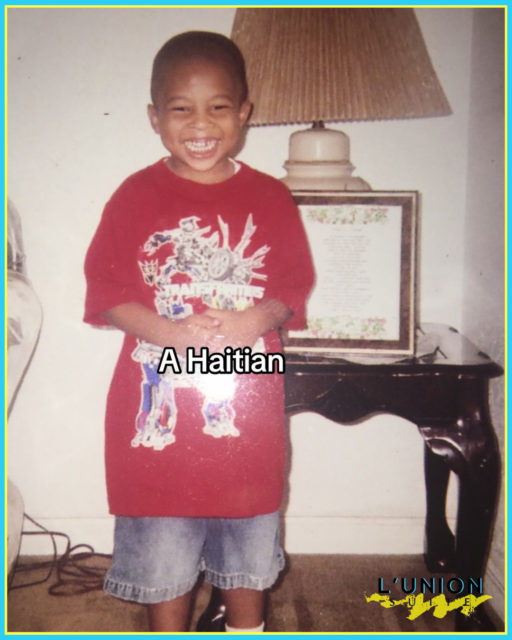



![Haitian-American actor Da’Vinchi sat down with The Breakfast Club this week to address the intense backlash he received after comments made during an October appearance on Cam Newton’s Funky Friday podcast. The original remarks, touching on American work ethic, the Black diaspora, and the idea of “moving on” from slavery went viral, leading to widespread criticism and accusations of dismissing the unique nature of the transatlantic slave trade.
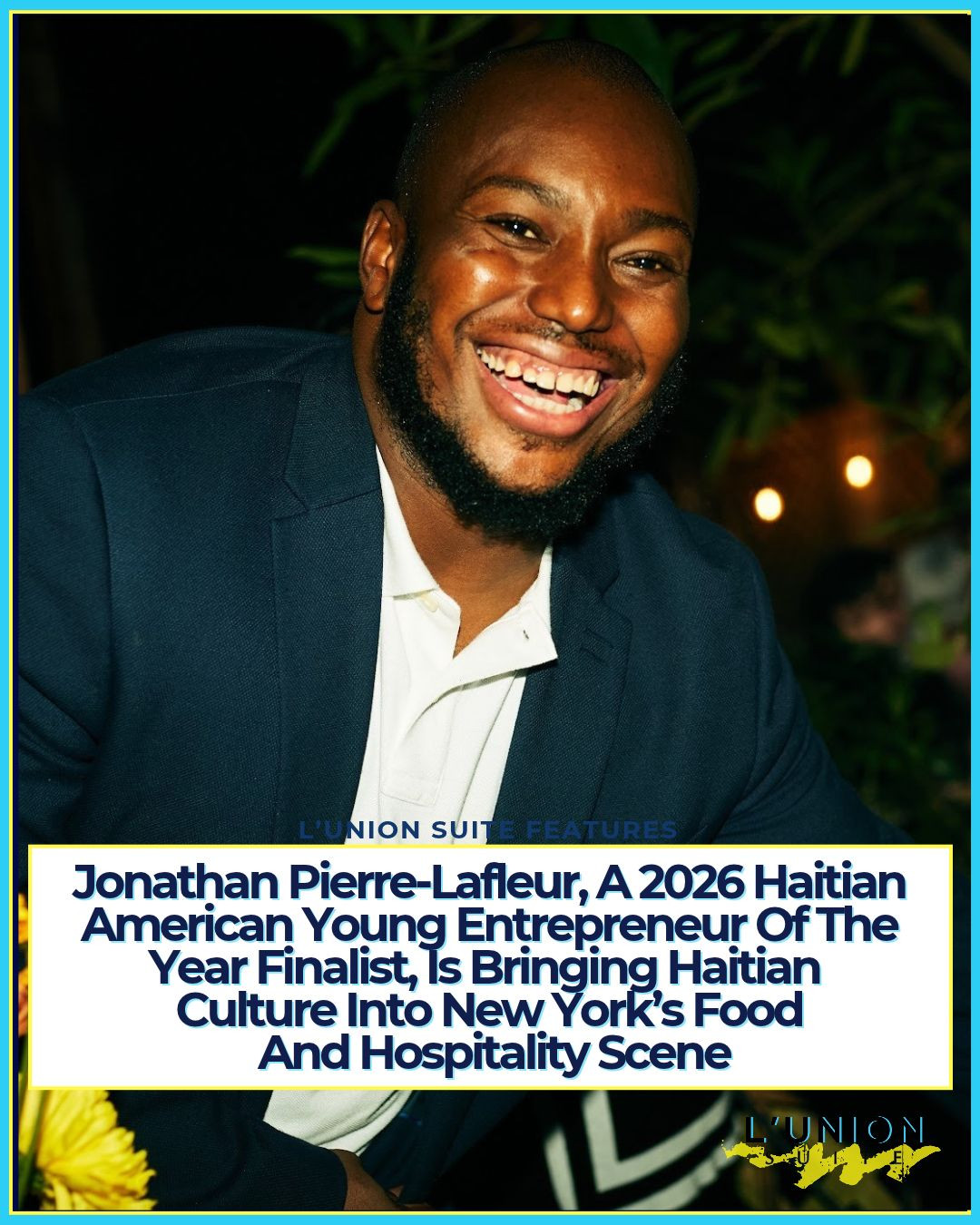
On Tuesday’s episode, Da’Vinchi directly confronted the fallout. He noted that he is not heavily active on social media and only fully grasped the reaction after people began calling him. He firmly rejected the notion that Black Americans treat slavery as an excuse for present-day conditions.
A central theme of the appearance was his repeated insistence that “moving forward doesn’t mean forgetting.” He discussed the lasting impact of trauma, referencing ideas from Dr. Bruce Lipton’s The Biology of Belief around epigenetic and cellular memory, he concept that ancestral experiences can be felt on a cellular level today.
The conversation also covered systemic oppression in Black America and personal relationships. Da’Vinchi argued that everyone is entitled to their own dating preferences, but noted that fear of cultural backlash has led some people to keep interracial relationships private.
Haiti was raised as a direct parallel during the discussion. Charlamagne tha God pointed out that Haiti is “a nation whose history [is] profoundly shaped by slavery, colonialism, foreign intervention, [and] exploitation of its economics,” then asked whether Da’Vinchi would tell Haitian people to simply move on from that history.
Da’Vinchi responded by citing Jean-Baptiste Point du Sable, the Haitian-born pioneer widely recognized as the founder of Chicago. He said he would encourage Haitians to “move forward the same way” du Sable did when he left Saint-Domingue and established a thriving trading post that became the foundation of one of America’s major cities.
The appearance has continued to generate discussion across the diaspora about history, identity, and accountability.
🎥 @breakfastclubam
#lunionsuite #haitianamerican](https://www.lunionsuite.com/wp-content/uploads/2012/07/869770525_18648825085023307_7422511773279890723_n-512x640.jpg)


![Haitian-American actor Da’Vinchi sat down with The Breakfast Club this week to address the intense backlash he received after comments made during an October appearance on Cam Newton’s Funky Friday podcast. The original remarks, touching on American work ethic, the Black diaspora, and the idea of “moving on” from slavery went viral, leading to widespread criticism and accusations of dismissing the unique nature of the transatlantic slave trade.
On Tuesday’s episode, Da’Vinchi directly confronted the fallout. He noted that he is not heavily active on social media and only fully grasped the reaction after people began calling him. He firmly rejected the notion that Black Americans treat slavery as an excuse for present-day conditions.
A central theme of the appearance was his repeated insistence that “moving forward doesn’t mean forgetting.” He discussed the lasting impact of trauma, referencing ideas from Dr. Bruce Lipton’s The Biology of Belief around epigenetic and cellular memory, he concept that ancestral experiences can be felt on a cellular level today.
The conversation also covered systemic oppression in Black America and personal relationships. Da’Vinchi argued that everyone is entitled to their own dating preferences, but noted that fear of cultural backlash has led some people to keep interracial relationships private.
Haiti was raised as a direct parallel during the discussion. Charlamagne tha God pointed out that Haiti is “a nation whose history [is] profoundly shaped by slavery, colonialism, foreign intervention, [and] exploitation of its economics,” then asked whether Da’Vinchi would tell Haitian people to simply move on from that history.
Da’Vinchi responded by citing Jean-Baptiste Point du Sable, the Haitian-born pioneer widely recognized as the founder of Chicago. He said he would encourage Haitians to “move forward the same way” du Sable did when he left Saint-Domingue and established a thriving trading post that became the foundation of one of America’s major cities.
The appearance has continued to generate discussion across the diaspora about history, identity, and accountability.
🎥 @breakfastclubam
#lunionsuite #haitianamerican](https://scontent-yyz1-1.cdninstagram.com/v/t51.82787-15/869770525_18648825085023307_7422511773279890723_n.jpg?stp=dst-jpg_e35_tt6&_nc_cat=110&ccb=7-5&_nc_sid=18de74&efg=eyJlZmdfdGFnIjoiQ0FST1VTRUxfSVRFTS5iZXN0X2ltYWdlX3VybGdlbi5DMyJ9&_nc_ohc=fw5lnXrS2zIQ7kNvwG_4__Q&_nc_oc=Adr3sB5vD33H92MvpDBCie5grklthP1Hs_RXk7jE1hE9Qj_4S25Tn7B97WXag4eogn8&_nc_zt=23&_nc_ht=scontent-yyz1-1.cdninstagram.com&edm=ANo9K5cEAAAA&_nc_gid=JuvujS0jKp7XoTDxCoG81A&_nc_tpa=Q5bMBQKGeMqMNX1OTd3Lt4PyRq1UAgNIvDq1SifAoJUdWUsxJ9YX2nKRNnhsqpC6iwXVhjSa7M65TNp-&oh=00_AQR224awlpJGzS4wiM40CUqe8UesvMcF7tgfP3eDvmU6jQ&oe=6AEC1055)