



Undocumented students will soon no longer be able to enroll in Florida’s 12 public universities under a new rule approved by the State University System’s Board of Governors.
The Board of Governors voted unanimously on September 3 to approve the regulation, which takes effect beginning with the 2027–28 academic year. The rule says a person who is unlawfully present in the United States will not be eligible to enroll at a state university that did not admit all academically qualified applicants during the previous two academic years.
Florida’s State University System includes 12 public universities and serves more than 431,000 students.
Although the regulation is written around universities with selective admissions, reporting on the decision says it will apply across Florida’s 12 public universities. Students who are already enrolled are not expected to be removed under the new university rule, which focuses on new enrollment.
Florida Has Also Changed Rules for Public Colleges
The university decision follows restrictions adopted earlier this year affecting undocumented students seeking education through other parts of Florida’s public education system.
In June, the Florida State Board of Education moved to restrict undocumented students from the state’s public college system and adult education programs. Florida’s adult education system includes programs such as Adult Basic Education, Adult High School, English for Speakers of Other Languages and GED preparation.
Together, the changes significantly narrow the public higher-education options available in Florida to people who are not lawfully present in the United States.
The university system does not currently track how many students enrolled at its institutions are undocumented, according to reporting from the News Service of Florida. That makes it difficult to determine exactly how many students will be affected once the new enrollment restriction takes effect.
The change also follows Florida’s 2025 repeal of a policy that had allowed certain undocumented students who met specific requirements to qualify for in-state tuition rates.
Supporters and Critics Respond
The decision has drawn different reactions across the state.
Following the vote, Florida Lt. Gov. Jay Collins described the policy as “common sense,” arguing that admission to the state’s public universities should be reserved for students who are legally present in the country.
Critics have argued that restricting access to education could close opportunities for young people who grew up or attended school in Florida and could also affect the state’s future workforce.
The change applies specifically to Florida’s public university system. It does not create the same enrollment restriction for private universities, which are outside the authority of the State University System Board of Governors.
For undocumented students hoping to attend one of Florida’s public universities, the most important date is the 2027–28 academic year, when the new enrollment restriction is scheduled to begin.


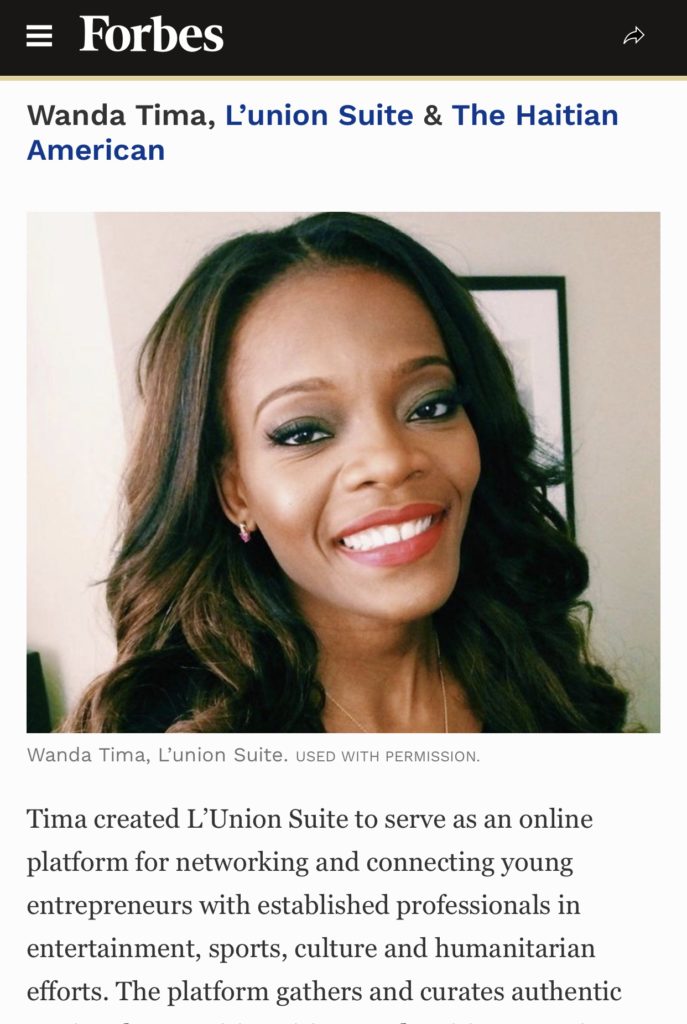





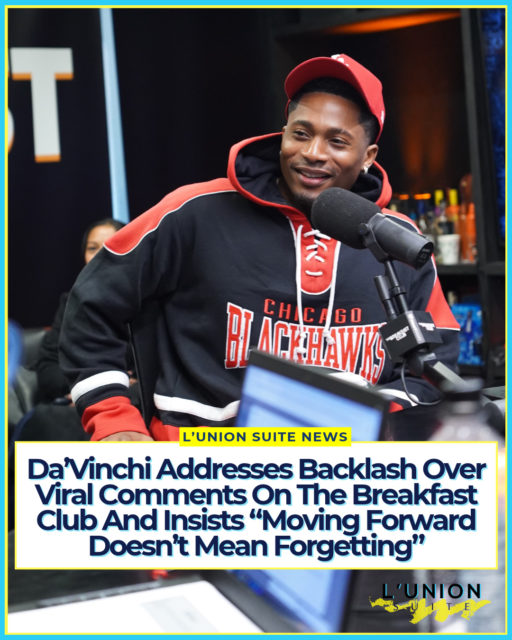


![Haitian-American actor Da’Vinchi sat down with The Breakfast Club this week to address the intense backlash he received after comments made during an October appearance on Cam Newton’s Funky Friday podcast. The original remarks, touching on American work ethic, the Black diaspora, and the idea of “moving on” from slavery went viral, leading to widespread criticism and accusations of dismissing the unique nature of the transatlantic slave trade.
On Tuesday’s episode, Da’Vinchi directly confronted the fallout. He noted that he is not heavily active on social media and only fully grasped the reaction after people began calling him. He firmly rejected the notion that Black Americans treat slavery as an excuse for present-day conditions.
A central theme of the appearance was his repeated insistence that “moving forward doesn’t mean forgetting.” He discussed the lasting impact of trauma, referencing ideas from Dr. Bruce Lipton’s The Biology of Belief around epigenetic and cellular memory, he concept that ancestral experiences can be felt on a cellular level today.
The conversation also covered systemic oppression in Black America and personal relationships. Da’Vinchi argued that everyone is entitled to their own dating preferences, but noted that fear of cultural backlash has led some people to keep interracial relationships private.
Haiti was raised as a direct parallel during the discussion. Charlamagne tha God pointed out that Haiti is “a nation whose history [is] profoundly shaped by slavery, colonialism, foreign intervention, [and] exploitation of its economics,” then asked whether Da’Vinchi would tell Haitian people to simply move on from that history.
Da’Vinchi responded by citing Jean-Baptiste Point du Sable, the Haitian-born pioneer widely recognized as the founder of Chicago. He said he would encourage Haitians to “move forward the same way” du Sable did when he left Saint-Domingue and established a thriving trading post that became the foundation of one of America’s major cities.
The appearance has continued to generate discussion across the diaspora about history, identity, and accountability.
🎥 @breakfastclubam
#lunionsuite #haitianamerican](https://www.lunionsuite.com/wp-content/uploads/2012/07/869770525_18648825085023307_7422511773279890723_n-512x640.jpg)


![Haitian-American actor Da’Vinchi sat down with The Breakfast Club this week to address the intense backlash he received after comments made during an October appearance on Cam Newton’s Funky Friday podcast. The original remarks, touching on American work ethic, the Black diaspora, and the idea of “moving on” from slavery went viral, leading to widespread criticism and accusations of dismissing the unique nature of the transatlantic slave trade.
On Tuesday’s episode, Da’Vinchi directly confronted the fallout. He noted that he is not heavily active on social media and only fully grasped the reaction after people began calling him. He firmly rejected the notion that Black Americans treat slavery as an excuse for present-day conditions.
A central theme of the appearance was his repeated insistence that “moving forward doesn’t mean forgetting.” He discussed the lasting impact of trauma, referencing ideas from Dr. Bruce Lipton’s The Biology of Belief around epigenetic and cellular memory, he concept that ancestral experiences can be felt on a cellular level today.
The conversation also covered systemic oppression in Black America and personal relationships. Da’Vinchi argued that everyone is entitled to their own dating preferences, but noted that fear of cultural backlash has led some people to keep interracial relationships private.
Haiti was raised as a direct parallel during the discussion. Charlamagne tha God pointed out that Haiti is “a nation whose history [is] profoundly shaped by slavery, colonialism, foreign intervention, [and] exploitation of its economics,” then asked whether Da’Vinchi would tell Haitian people to simply move on from that history.
Da’Vinchi responded by citing Jean-Baptiste Point du Sable, the Haitian-born pioneer widely recognized as the founder of Chicago. He said he would encourage Haitians to “move forward the same way” du Sable did when he left Saint-Domingue and established a thriving trading post that became the foundation of one of America’s major cities.
The appearance has continued to generate discussion across the diaspora about history, identity, and accountability.
🎥 @breakfastclubam
#lunionsuite #haitianamerican](https://scontent-yyz1-1.cdninstagram.com/v/t51.82787-15/869770525_18648825085023307_7422511773279890723_n.jpg?stp=dst-jpg_e35_tt6&_nc_cat=110&ccb=7-5&_nc_sid=18de74&efg=eyJlZmdfdGFnIjoiQ0FST1VTRUxfSVRFTS5iZXN0X2ltYWdlX3VybGdlbi5DMyJ9&_nc_ohc=fw5lnXrS2zIQ7kNvwG_4__Q&_nc_oc=Adr3sB5vD33H92MvpDBCie5grklthP1Hs_RXk7jE1hE9Qj_4S25Tn7B97WXag4eogn8&_nc_zt=23&_nc_ht=scontent-yyz1-1.cdninstagram.com&edm=ANo9K5cEAAAA&_nc_gid=JuvujS0jKp7XoTDxCoG81A&_nc_tpa=Q5bMBQKGeMqMNX1OTd3Lt4PyRq1UAgNIvDq1SifAoJUdWUsxJ9YX2nKRNnhsqpC6iwXVhjSa7M65TNp-&oh=00_AQR224awlpJGzS4wiM40CUqe8UesvMcF7tgfP3eDvmU6jQ&oe=6AEC1055)