




 Fear is a vice that takes root. Once its cultivated, it takes time to heal from it. — Marie Vieux Chauvet’s “Amour, colère et folie”
Marie Vieux Chauvet (1916–1973) was a Haitian novelist. Born and educated in Port-au-Prince, her most famous works were the novels Fille d’Haïti (1954), La Danse sur le Volcan (1957), Fonds des Nègres (1961), and Amour, Colère, Folie (1969). The trilogy Amour, Colère, Folie was published by Gallimard press in Paris with the support of Simone de Beauvoir. The trilogy was perceived as an attack on the Haitian despot François Duvalier. Fearing the dictator’s legions of Tonton Macoutes, her husband bought all the copies of the book he could find in Haiti, and Chauvet’s daughters bought the remaining copies from Gallimard in Paris a few years later. She died in the United States o
f America. – wikipedia
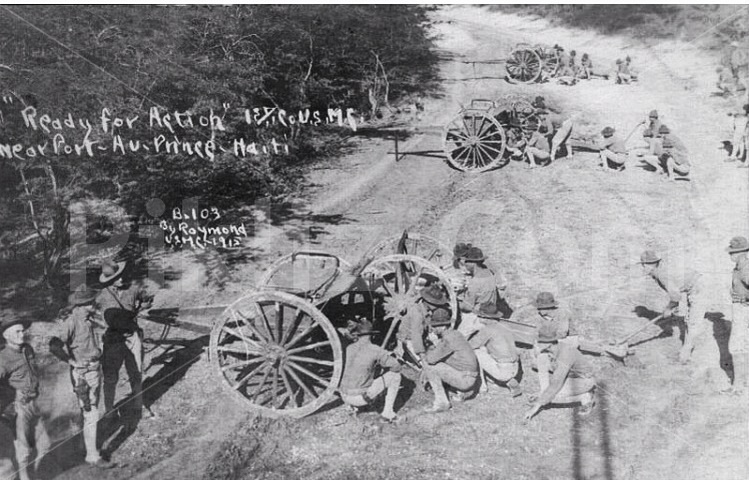
Our back up source for Haitian History “The Haitian Times” says:
Marie Vieux Chauvet’s Amour, colère et folie, one of Haiti’s most powerful works of art, was long considered to be lost. It was first published in France in 1968. The masterfully woven tales captured the defining experiences of a generation that lived in the era of Duvalierism — facing oppression, violence, sexism, class divisions — and the internal struggles that rendered. In 2005, the novel was re-released; and in the introduction written by celebrated writer Edwidge Danticat, she called Chauvet’s work “the cornerstone of Haitian literature.”
Chauvet, born in Port-au-Prince, on September 16, 1916, began to write at an early age. When she was 12 years old, she began to write plays that she and her family would perform at home. Soon thereafter, her first major piece La légende des fleurs, was published under the pseudonym “Colibri.” It was such a success, that in 1947, the play was produced on-stage at the Rex Theater.
From the onset, justice and equality were central to Chauvet’s storytelling; Haitian literary greats Jacques Roumain and Jacques Stephen Alexis were two of her heroes. And Chauvet was heavily influenced by the consistent presence of politics in her family. Her father, Constant Vieux was very politically active — he served as a senator and ambassador — and eventually fled to the Dominican Republic because President Stenio Vincent placed a bounty on his head. Once Duvalier rose to power, several of her nephews were “disappeared.”
Chauvet would go on to write several books, including, Fille d’Haïti, La danse sur le volcan and Fonds des nègres. As a writer, Chauvet believed that telling stories about the plight of the underclass was a serious responsibility. Her work spanned the social impact of colonialism, the corruption and excesses of the ruling class and overall injustices in Haitian society.
When Chauvet first revealed Amour, colère et folie (Love, Anger and Madness) to her family, they pressured her not publish it. They had already endured so much loss under the brutal regime. Once Simone de Beauvoir demonstrated support for the novel and the family relented, Editions Gallimard published the trilogy of novellas in 1968. Worried that the book would provoke severe reactions from the Duvalier establishment, Chauvet persuaded Gallimard to stop publication, and fled to New York City, where she would remain in exile until her death in 1973. Though her estranged husband, Pierre Chauvet purchased all the copies of the novel he could find, remnants of the Gallimard edition were secretly sold by other members of the Chauvet family. But until its republication in France by Zellige in 2005, the book rem
buy femara online in the best USA pharmacy https://cleadoc.com/wp-content/uploads/2025/07/png/buy-femara.html no prescription with fast delivery drugstoreained an underground classic.
Amour, colère et folie‘s three narratives reflect on the profound impact of oppression — whether it’s enforced through class divisions, unlawful detainment or fostering lack of trust amongst neighbors who fear spies in their midst. Furthermore, the ground-breaking tales bravely exposed the brutality of violence against women’s bodies and minds.
One of Chauvet’s main characters says,”freedom is an inmost power.” The lasting influence of Chauvet’s work is a testament to her commitment to equality and justice — and the healing power of honest storytelling that confronted the ills of a society, in search for freedom.






![Three of the Haitian music industry’s most recognizable names did not roll on Eastern Parkway for this year’s West Indian American Day Parade. The West Indian American Day Carnival Association says T-Vice, Tony Mix and SakPase Nation were barred because they failed to meet carnival rules. The bands tell a different story. T-Vice says it was not refused and chose to stay off the route. Tony Mix publicly announced he would not take part.
The annual parade stepped off Monday, Sept. 7, along Brooklyn’s Eastern Parkway. Days earlier, The Haitian Times reported that WIADCA had kept the three groups off the official lineup. As of that Thursday, five other Haitian groups had been approved to participate. Haitian flags, mas and music were still on the Parkway. The missing piece was the big konpa trucks that usually stop traffic.
Cecile Ford is WIADCA’s board secretary and chair of the Mas Committee. She said organizers had warned the groups that the rules would be enforced.
“We’ve tried to work with them and each year there was a promise… they just take it as a joke,” Ford said. Ford later pointed to overcrowding on trucks as a safety problem.“We have pictures & photos [they] were not compliant with the number of people they have on their trucks, which is a security issue & safety issue,” she said.
WIADCA’s written rules state only bands with a WIADCA permit can enter the parade. Participants must be costumed. Artist trucks, advertising trucks and “T-shirt bands” are excluded. Band leaders are required to put marshals on the route, keep vehicles insured and stay within height and safety limits set with police and the city. Failure to comply can mean removal from the parade.
T-Vice answered Ford by name. The band said it was not refused. T-Vice said the Parkway absence was its own choice, while the carnival association said the group was barred. Tony Mix also spoke with an official announcement circulated that he would not take part in the 2026 Labor Day carnival. SakPase Nation did not respond.
Haitian mas and music was still on the route, including Lespri Ayiti and RAM among groups carrying the Haitian presence.
#lunionsuite #haitianamerican](https://www.lunionsuite.com/wp-content/uploads/2026/09/809209156_18633930094023307_3630959692441275516_n-512x640.jpg)








![Three of the Haitian music industry’s most recognizable names did not roll on Eastern Parkway for this year’s West Indian American Day Parade. The West Indian American Day Carnival Association says T-Vice, Tony Mix and SakPase Nation were barred because they failed to meet carnival rules. The bands tell a different story. T-Vice says it was not refused and chose to stay off the route. Tony Mix publicly announced he would not take part.
The annual parade stepped off Monday, Sept. 7, along Brooklyn’s Eastern Parkway. Days earlier, The Haitian Times reported that WIADCA had kept the three groups off the official lineup. As of that Thursday, five other Haitian groups had been approved to participate. Haitian flags, mas and music were still on the Parkway. The missing piece was the big konpa trucks that usually stop traffic.
Cecile Ford is WIADCA’s board secretary and chair of the Mas Committee. She said organizers had warned the groups that the rules would be enforced.
“We’ve tried to work with them and each year there was a promise… they just take it as a joke,” Ford said. Ford later pointed to overcrowding on trucks as a safety problem.“We have pictures & photos [they] were not compliant with the number of people they have on their trucks, which is a security issue & safety issue,” she said.
WIADCA’s written rules state only bands with a WIADCA permit can enter the parade. Participants must be costumed. Artist trucks, advertising trucks and “T-shirt bands” are excluded. Band leaders are required to put marshals on the route, keep vehicles insured and stay within height and safety limits set with police and the city. Failure to comply can mean removal from the parade.
T-Vice answered Ford by name. The band said it was not refused. T-Vice said the Parkway absence was its own choice, while the carnival association said the group was barred. Tony Mix also spoke with an official announcement circulated that he would not take part in the 2026 Labor Day carnival. SakPase Nation did not respond.
Haitian mas and music was still on the route, including Lespri Ayiti and RAM among groups carrying the Haitian presence.
#lunionsuite #haitianamerican](https://scontent-yyz1-1.cdninstagram.com/v/t51.82787-15/809209156_18633930094023307_3630959692441275516_n.jpg?stp=dst-jpg_e35_tt6&_nc_cat=108&ccb=7-5&_nc_sid=18de74&efg=eyJlZmdfdGFnIjoiQ0FST1VTRUxfSVRFTS5iZXN0X2ltYWdlX3VybGdlbi5DMyJ9&_nc_ohc=x34GLS09I-MQ7kNvwFqHCNl&_nc_oc=AdowqDCN9YT1Ab6Xr9C2sg7ga-9vqDxpgpSPQVu_SMkTWY4MV-DSZ2lzrsiKmJkeEI4&_nc_zt=23&_nc_ht=scontent-yyz1-1.cdninstagram.com&edm=ANo9K5cEAAAA&_nc_gid=x4jvEQmXU18ETczdhgoO6A&_nc_tpa=Q5bMBQIw2C71D9QY2QRwS8CynOCBRbSkwiTkJvMcpHL-eO6rjLCvt2NC-HknMIfi2dSDrKHvOgrHLKvP&oh=00_AQKtORgB_LskdDZkpzaSf44P44EHp9ny3NyDopfskLBMPQ&oe=6AB0ECDD)
![Three of the Haitian music industry’s most recognizable names did not roll on Eastern Parkway for this year’s West Indian American Day Parade. The West Indian American Day Carnival Association says T-Vice, Tony Mix and SakPase Nation were barred because they failed to meet carnival rules. The bands tell a different story. T-Vice says it was not refused and chose to stay off the route. Tony Mix publicly announced he would not take part.
The annual parade stepped off Monday, Sept. 7, along Brooklyn’s Eastern Parkway. Days earlier, The Haitian Times reported that WIADCA had kept the three groups off the official lineup. As of that Thursday, five other Haitian groups had been approved to participate. Haitian flags, mas and music were still on the Parkway. The missing piece was the big konpa trucks that usually stop traffic.
Cecile Ford is WIADCA’s board secretary and chair of the Mas Committee. She said organizers had warned the groups that the rules would be enforced.
“We’ve tried to work with them and each year there was a promise… they just take it as a joke,” Ford said. Ford later pointed to overcrowding on trucks as a safety problem.“We have pictures & photos [they] were not compliant with the number of people they have on their trucks, which is a security issue & safety issue,” she said.
WIADCA’s written rules state only bands with a WIADCA permit can enter the parade. Participants must be costumed. Artist trucks, advertising trucks and “T-shirt bands” are excluded. Band leaders are required to put marshals on the route, keep vehicles insured and stay within height and safety limits set with police and the city. Failure to comply can mean removal from the parade.
T-Vice answered Ford by name. The band said it was not refused. T-Vice said the Parkway absence was its own choice, while the carnival association said the group was barred. Tony Mix also spoke with an official announcement circulated that he would not take part in the 2026 Labor Day carnival. SakPase Nation did not respond.
Haitian mas and music was still on the route, including Lespri Ayiti and RAM among groups carrying the Haitian presence.
#lunionsuite #haitianamerican](https://scontent-yyz1-1.cdninstagram.com/v/t51.82787-15/788924694_18633930097023307_3043638025784358712_n.jpg?stp=dst-jpg_e35_tt6&_nc_cat=110&ccb=7-5&_nc_sid=18de74&efg=eyJlZmdfdGFnIjoiQ0FST1VTRUxfSVRFTS5iZXN0X2ltYWdlX3VybGdlbi5DMyJ9&_nc_ohc=2C7Wl-aKuL0Q7kNvwF0SU-y&_nc_oc=AdqS67UJ5kM67AfhglIGf79iRqaHlSsnp0FyZd7KoG7qEtb5unEgcDoOFORhGwog7BI&_nc_zt=23&_nc_ht=scontent-yyz1-1.cdninstagram.com&edm=ANo9K5cEAAAA&_nc_gid=x4jvEQmXU18ETczdhgoO6A&_nc_tpa=Q5bMBQIuCA_kheyGyRRrI4q6b0QqbFGvZC9kxkarVdanMJN-GlwMgenDokao3T6Nj9FS5vnUBrkMiTb2&oh=00_AQL_C9qkX0YkSTyJmU2Ts5qT-4tN2pAhsaqjmKQxOFvk8g&oe=6AB0D946)
![Three of the Haitian music industry’s most recognizable names did not roll on Eastern Parkway for this year’s West Indian American Day Parade. The West Indian American Day Carnival Association says T-Vice, Tony Mix and SakPase Nation were barred because they failed to meet carnival rules. The bands tell a different story. T-Vice says it was not refused and chose to stay off the route. Tony Mix publicly announced he would not take part.
The annual parade stepped off Monday, Sept. 7, along Brooklyn’s Eastern Parkway. Days earlier, The Haitian Times reported that WIADCA had kept the three groups off the official lineup. As of that Thursday, five other Haitian groups had been approved to participate. Haitian flags, mas and music were still on the Parkway. The missing piece was the big konpa trucks that usually stop traffic.
Cecile Ford is WIADCA’s board secretary and chair of the Mas Committee. She said organizers had warned the groups that the rules would be enforced.
“We’ve tried to work with them and each year there was a promise… they just take it as a joke,” Ford said. Ford later pointed to overcrowding on trucks as a safety problem.“We have pictures & photos [they] were not compliant with the number of people they have on their trucks, which is a security issue & safety issue,” she said.
WIADCA’s written rules state only bands with a WIADCA permit can enter the parade. Participants must be costumed. Artist trucks, advertising trucks and “T-shirt bands” are excluded. Band leaders are required to put marshals on the route, keep vehicles insured and stay within height and safety limits set with police and the city. Failure to comply can mean removal from the parade.
T-Vice answered Ford by name. The band said it was not refused. T-Vice said the Parkway absence was its own choice, while the carnival association said the group was barred. Tony Mix also spoke with an official announcement circulated that he would not take part in the 2026 Labor Day carnival. SakPase Nation did not respond.
Haitian mas and music was still on the route, including Lespri Ayiti and RAM among groups carrying the Haitian presence.
#lunionsuite #haitianamerican](https://scontent-yyz1-1.cdninstagram.com/v/t51.82787-15/793639979_18633930061023307_6775081790007234048_n.jpg?stp=dst-jpg_e35_tt6&_nc_cat=103&ccb=7-5&_nc_sid=18de74&efg=eyJlZmdfdGFnIjoiQ0FST1VTRUxfSVRFTS5iZXN0X2ltYWdlX3VybGdlbi5DMyJ9&_nc_ohc=959UMb3qNvsQ7kNvwH6rJK5&_nc_oc=AdoHvjiCVJ4RZCft2Zf1MqTKYnS3MeeZCdOl2uaqrtKnTljvUZTVU0tPPq5vVVaaMfI&_nc_zt=23&_nc_ht=scontent-yyz1-1.cdninstagram.com&edm=ANo9K5cEAAAA&_nc_gid=x4jvEQmXU18ETczdhgoO6A&_nc_tpa=Q5bMBQI5rrEbAb5R4ZCVCrPpXaUFuTN-cj2XowrYNWue0PuRF6q9Hyz0_EYDPr7MLufK57ZuiMfanOJu&oh=00_AQKYTYxMTYl6ZKw-kNlDDurEd83WBwILvHuN5xaQZvUPnA&oe=6AB0BA94)
![Three of the Haitian music industry’s most recognizable names did not roll on Eastern Parkway for this year’s West Indian American Day Parade. The West Indian American Day Carnival Association says T-Vice, Tony Mix and SakPase Nation were barred because they failed to meet carnival rules. The bands tell a different story. T-Vice says it was not refused and chose to stay off the route. Tony Mix publicly announced he would not take part.
The annual parade stepped off Monday, Sept. 7, along Brooklyn’s Eastern Parkway. Days earlier, The Haitian Times reported that WIADCA had kept the three groups off the official lineup. As of that Thursday, five other Haitian groups had been approved to participate. Haitian flags, mas and music were still on the Parkway. The missing piece was the big konpa trucks that usually stop traffic.
Cecile Ford is WIADCA’s board secretary and chair of the Mas Committee. She said organizers had warned the groups that the rules would be enforced.
“We’ve tried to work with them and each year there was a promise… they just take it as a joke,” Ford said. Ford later pointed to overcrowding on trucks as a safety problem.“We have pictures & photos [they] were not compliant with the number of people they have on their trucks, which is a security issue & safety issue,” she said.
WIADCA’s written rules state only bands with a WIADCA permit can enter the parade. Participants must be costumed. Artist trucks, advertising trucks and “T-shirt bands” are excluded. Band leaders are required to put marshals on the route, keep vehicles insured and stay within height and safety limits set with police and the city. Failure to comply can mean removal from the parade.
T-Vice answered Ford by name. The band said it was not refused. T-Vice said the Parkway absence was its own choice, while the carnival association said the group was barred. Tony Mix also spoke with an official announcement circulated that he would not take part in the 2026 Labor Day carnival. SakPase Nation did not respond.
Haitian mas and music was still on the route, including Lespri Ayiti and RAM among groups carrying the Haitian presence.
#lunionsuite #haitianamerican](https://scontent-yyz1-1.cdninstagram.com/v/t51.82787-15/809209149_18633930070023307_3587221757907574561_n.jpg?stp=dst-jpg_e35_tt6&_nc_cat=107&ccb=7-5&_nc_sid=18de74&efg=eyJlZmdfdGFnIjoiQ0FST1VTRUxfSVRFTS5iZXN0X2ltYWdlX3VybGdlbi5DMyJ9&_nc_ohc=sYH5oewDRocQ7kNvwFk8Eq8&_nc_oc=Adpwz3K5sapCkiMCDx4LctPqoIenB0Nce8S0xMHw-b-HP0E3OWmHWtHLSPU4-nwMh-c&_nc_zt=23&_nc_ht=scontent-yyz1-1.cdninstagram.com&edm=ANo9K5cEAAAA&_nc_gid=x4jvEQmXU18ETczdhgoO6A&_nc_tpa=Q5bMBQIyrj4X30UU0YlDFBPND78-HdUt0B4_3AZlCvQXD5u0GO35lu9awd0tPCID6CYZHyp5V6ew8Nha&oh=00_AQIgRbyJiP6jW6TAl3QLbKBUYuqPhs8_5p25l300F8dyfw&oe=6AB0E8FE)
![Three of the Haitian music industry’s most recognizable names did not roll on Eastern Parkway for this year’s West Indian American Day Parade. The West Indian American Day Carnival Association says T-Vice, Tony Mix and SakPase Nation were barred because they failed to meet carnival rules. The bands tell a different story. T-Vice says it was not refused and chose to stay off the route. Tony Mix publicly announced he would not take part.
The annual parade stepped off Monday, Sept. 7, along Brooklyn’s Eastern Parkway. Days earlier, The Haitian Times reported that WIADCA had kept the three groups off the official lineup. As of that Thursday, five other Haitian groups had been approved to participate. Haitian flags, mas and music were still on the Parkway. The missing piece was the big konpa trucks that usually stop traffic.
Cecile Ford is WIADCA’s board secretary and chair of the Mas Committee. She said organizers had warned the groups that the rules would be enforced.
“We’ve tried to work with them and each year there was a promise… they just take it as a joke,” Ford said. Ford later pointed to overcrowding on trucks as a safety problem.“We have pictures & photos [they] were not compliant with the number of people they have on their trucks, which is a security issue & safety issue,” she said.
WIADCA’s written rules state only bands with a WIADCA permit can enter the parade. Participants must be costumed. Artist trucks, advertising trucks and “T-shirt bands” are excluded. Band leaders are required to put marshals on the route, keep vehicles insured and stay within height and safety limits set with police and the city. Failure to comply can mean removal from the parade.
T-Vice answered Ford by name. The band said it was not refused. T-Vice said the Parkway absence was its own choice, while the carnival association said the group was barred. Tony Mix also spoke with an official announcement circulated that he would not take part in the 2026 Labor Day carnival. SakPase Nation did not respond.
Haitian mas and music was still on the route, including Lespri Ayiti and RAM among groups carrying the Haitian presence.
#lunionsuite #haitianamerican](https://scontent-yyz1-1.cdninstagram.com/v/t51.82787-15/806298814_18633930079023307_5240743489890819950_n.jpg?stp=dst-jpg_e35_tt6&_nc_cat=110&ccb=7-5&_nc_sid=18de74&efg=eyJlZmdfdGFnIjoiQ0FST1VTRUxfSVRFTS5iZXN0X2ltYWdlX3VybGdlbi5DMyJ9&_nc_ohc=JU6IDP_NkRAQ7kNvwGfn0dr&_nc_oc=AdodvcfcPm44koOpzSTOCErsPDONaFZ_QLfgYMtozzJNRqpTvybWCeMMsYnm2J9cuiU&_nc_zt=23&_nc_ht=scontent-yyz1-1.cdninstagram.com&edm=ANo9K5cEAAAA&_nc_gid=x4jvEQmXU18ETczdhgoO6A&_nc_tpa=Q5bMBQIpVXxX8ZIUmsn7wOYHfAo_213GC0WORYx9PzpGKtzJv4SBGMgSmn4OUUJBjpudFuF61HHcCrK_&oh=00_AQKuoK0NBt9eoBirzZrqoANvChXFKWim7ni9xGnZe9Uhww&oe=6AB0C279)
![Three of the Haitian music industry’s most recognizable names did not roll on Eastern Parkway for this year’s West Indian American Day Parade. The West Indian American Day Carnival Association says T-Vice, Tony Mix and SakPase Nation were barred because they failed to meet carnival rules. The bands tell a different story. T-Vice says it was not refused and chose to stay off the route. Tony Mix publicly announced he would not take part.
The annual parade stepped off Monday, Sept. 7, along Brooklyn’s Eastern Parkway. Days earlier, The Haitian Times reported that WIADCA had kept the three groups off the official lineup. As of that Thursday, five other Haitian groups had been approved to participate. Haitian flags, mas and music were still on the Parkway. The missing piece was the big konpa trucks that usually stop traffic.
Cecile Ford is WIADCA’s board secretary and chair of the Mas Committee. She said organizers had warned the groups that the rules would be enforced.
“We’ve tried to work with them and each year there was a promise… they just take it as a joke,” Ford said. Ford later pointed to overcrowding on trucks as a safety problem.“We have pictures & photos [they] were not compliant with the number of people they have on their trucks, which is a security issue & safety issue,” she said.
WIADCA’s written rules state only bands with a WIADCA permit can enter the parade. Participants must be costumed. Artist trucks, advertising trucks and “T-shirt bands” are excluded. Band leaders are required to put marshals on the route, keep vehicles insured and stay within height and safety limits set with police and the city. Failure to comply can mean removal from the parade.
T-Vice answered Ford by name. The band said it was not refused. T-Vice said the Parkway absence was its own choice, while the carnival association said the group was barred. Tony Mix also spoke with an official announcement circulated that he would not take part in the 2026 Labor Day carnival. SakPase Nation did not respond.
Haitian mas and music was still on the route, including Lespri Ayiti and RAM among groups carrying the Haitian presence.
#lunionsuite #haitianamerican](https://scontent-yyz1-1.cdninstagram.com/v/t51.82787-15/806298829_18633930142023307_1624406619840916561_n.jpg?stp=dst-jpg_e35_tt6&_nc_cat=107&ccb=7-5&_nc_sid=18de74&efg=eyJlZmdfdGFnIjoiQ0FST1VTRUxfSVRFTS5iZXN0X2ltYWdlX3VybGdlbi5DMyJ9&_nc_ohc=sKWnTcy_VlAQ7kNvwGCmhxy&_nc_oc=AdqvFfjX_kn-mTDnUKIP8dtT-baGWOg-iCYo3fFbWLtRf5RE118QJG9tBiT0-lgJU_Q&_nc_zt=23&_nc_ht=scontent-yyz1-1.cdninstagram.com&edm=ANo9K5cEAAAA&_nc_gid=x4jvEQmXU18ETczdhgoO6A&_nc_tpa=Q5bMBQLUxvhZNp6NbcuybV2uyWVXbY0acxM2xlAZYlILaHgMoPEKIMXhtx8ZSd2obhrqDO_m3dN1UA8P&oh=00_AQKLQ3P04DrtTU5Isb65PJFLy98BiJeoYyDXR1gziGXWQg&oe=6AB0C472)