





Temporary Protected Status (TPS) for Haiti officially expired on Monday, July 27, ending legal protections and work authorization for an estimated 330,000 to 350,000 Haitian nationals living in the United States after a series of short court-ordered extensions came to an end.
The expiration follows a U.S. Supreme Court decision in June that cleared the way for the Trump administration to terminate Haiti’s TPS designation. After the ruling, federal courts issued several brief extensions, allowing beneficiaries to continue working legally while legal challenges played out. The final extension expired on July 27.
For many Haitian families, the change marks the end of years of legal protection. Haiti was first designated for TPS following the devastating 2010 earthquake, and the program was repeatedly renewed because of worsening gang violence, political instability, natural disasters, and the country’s ongoing humanitarian crisis.
With TPS now expired, employment authorization documents (EADs) issued under Haiti’s TPS designation are no longer valid. Haitian nationals who do not have another lawful immigration status could face removal proceedings and may no longer be legally authorized to work in the United States. Employers are also required to verify that affected employees have valid work authorization before allowing them to continue working.
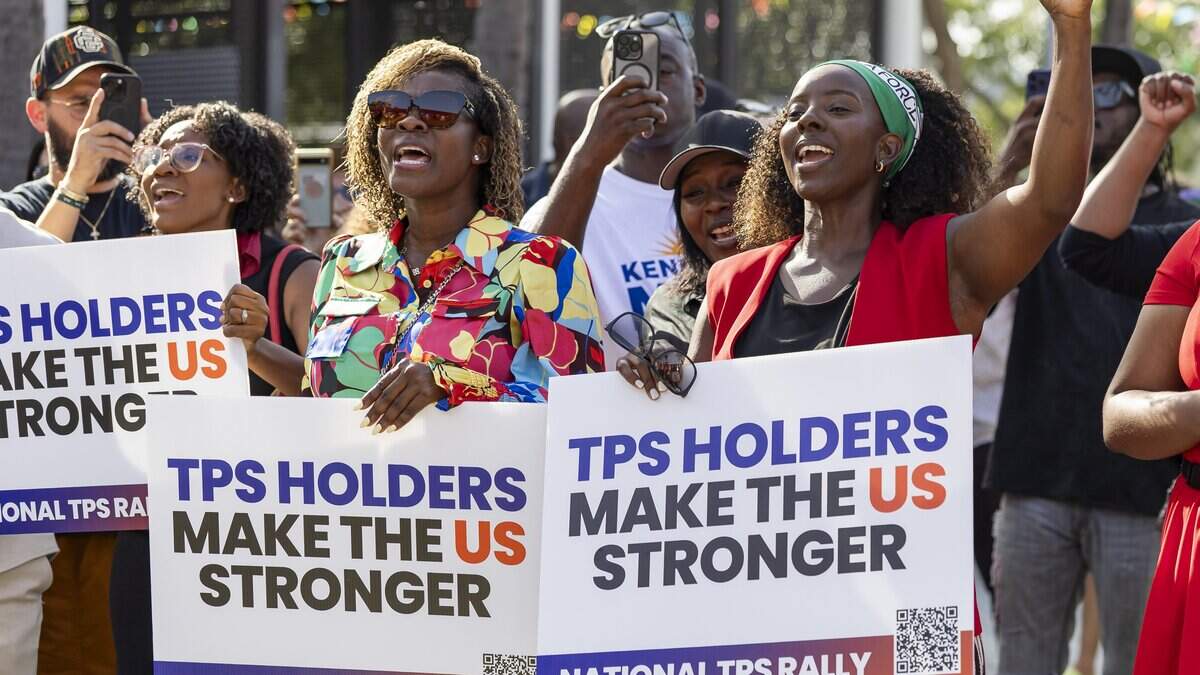
The decision could have a significant impact on communities across the country, particularly in Florida, home to one of the nation’s largest Haitian populations. Many TPS holders have spent more than a decade in the United States, raising families, paying taxes, purchasing homes, and working in industries facing labor shortages, including healthcare, hospitality, construction, transportation, and manufacturing.
The U.S. State Department continues to advise Americans not to travel to Haiti because of widespread gang violence, kidnappings, and civil unrest. Immigration advocates argue that the conditions that originally justified Haiti’s TPS designation remain in place and warn that returning large numbers of people could put lives at risk.
Legal aid organizations are encouraging anyone affected by the expiration to speak with a qualified immigration attorney or accredited nonprofit representative as soon as possible to determine whether they may qualify for another form of immigration relief.
Although additional legal challenges could still be filed, the Supreme Court’s ruling has significantly narrowed the options for blocking the administration’s decision, leaving the future of hundreds of thousands of Haitian immigrants uncertain.