






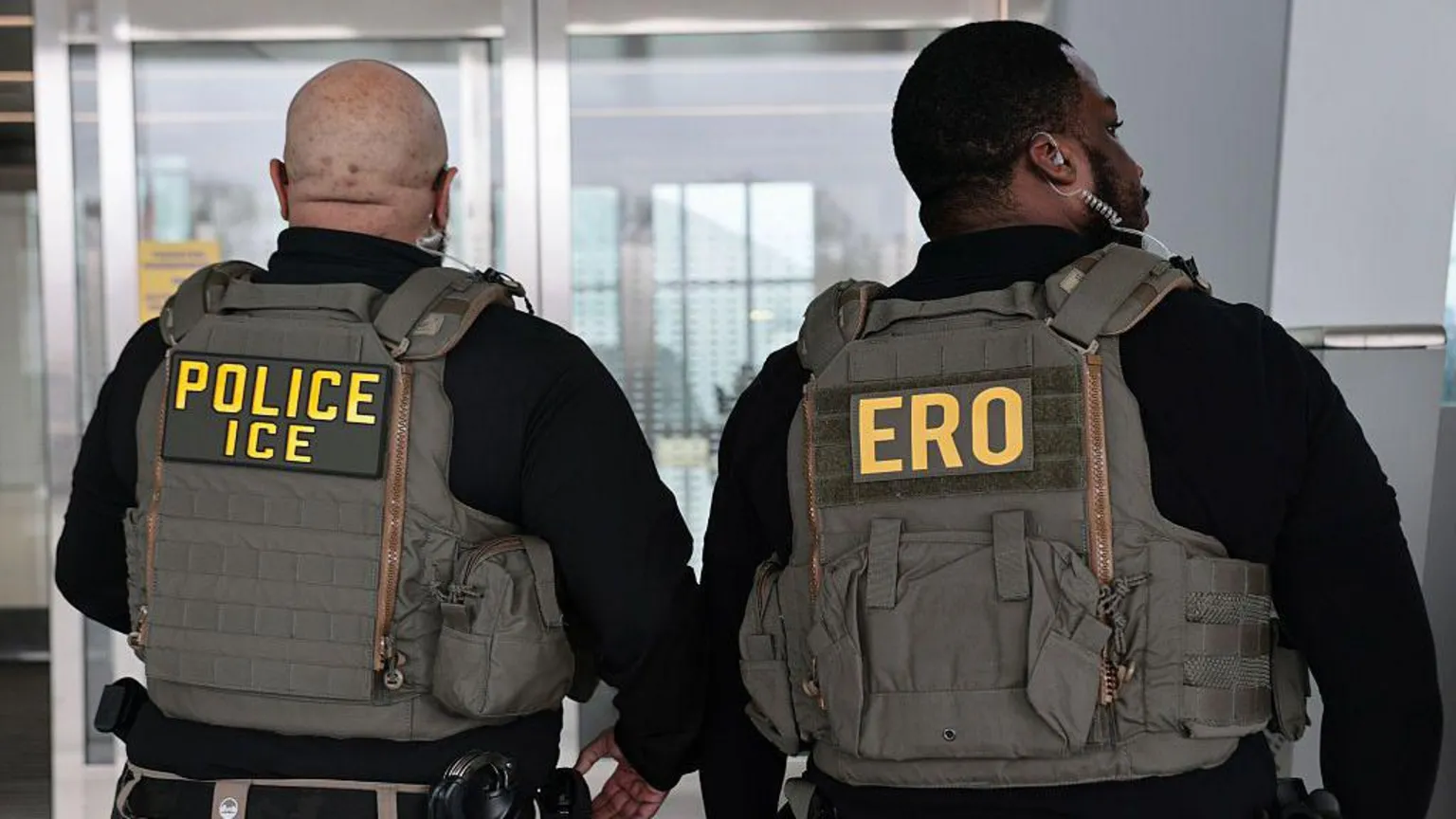
U.S. Immigration and Customs Enforcement (ICE) is moving forward with plans to purchase specialized gloves that can deliver an electric shock to people during physical encounters with officers.
According to a Department of Homeland Security procurement notice, ICE is considering spending between $10 million and $20 million on the devices, known as the G.L.O.V.E., or Generated Low Output Voltage Emitter. The gloves are manufactured by Compliant Technologies and are designed to look like ordinary patrol gloves until an officer activates the electrical function.
Once activated, the gloves can deliver an electrical stimulus through direct contact with a person’s skin. The manufacturer describes the device as a “conductive distraction and de-escalation” tool intended to gain compliance during physical confrontations. The maximum voltage is approximately 380 volts.
The manufacturer’s guidelines place limits on how the gloves should be used. Officers are instructed not to use them as punishment or simply because someone is verbally refusing to cooperate. The guidance also warns against using them on certain vulnerable groups, including children, elderly people, pregnant women and people with severe disabilities.
The procurement is expected to cover personnel with ICE’s Homeland Security Investigations (HSI) and Enforcement and Removal Operations (ERO) divisions, with delivery targeted for March 2027. However, the procurement notice does not establish that thousands of officers will immediately receive the devices, and the final number to be purchased has not been publicly established.
The proposal has already drawn criticism from civil rights advocates, who argue that giving immigration officers another tool capable of causing pain could increase the risk of excessive force. ICE and DHS have described the purchase as part of efforts to give officers additional tools for safely handling resistant or combative individuals.
The planned purchase is now raising a larger question about the use of force in immigration enforcement: how much power should officers have to physically compel someone to comply?